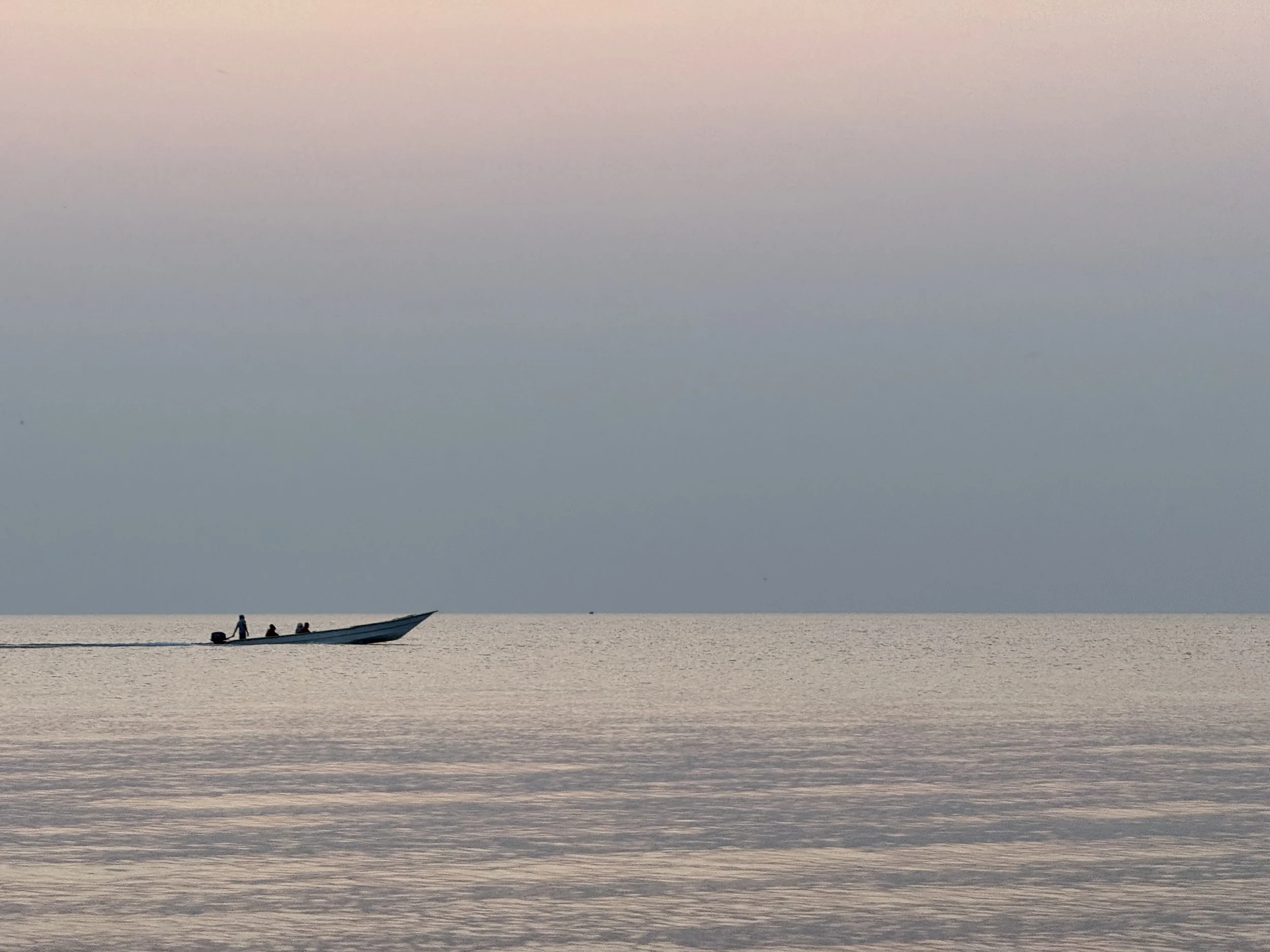
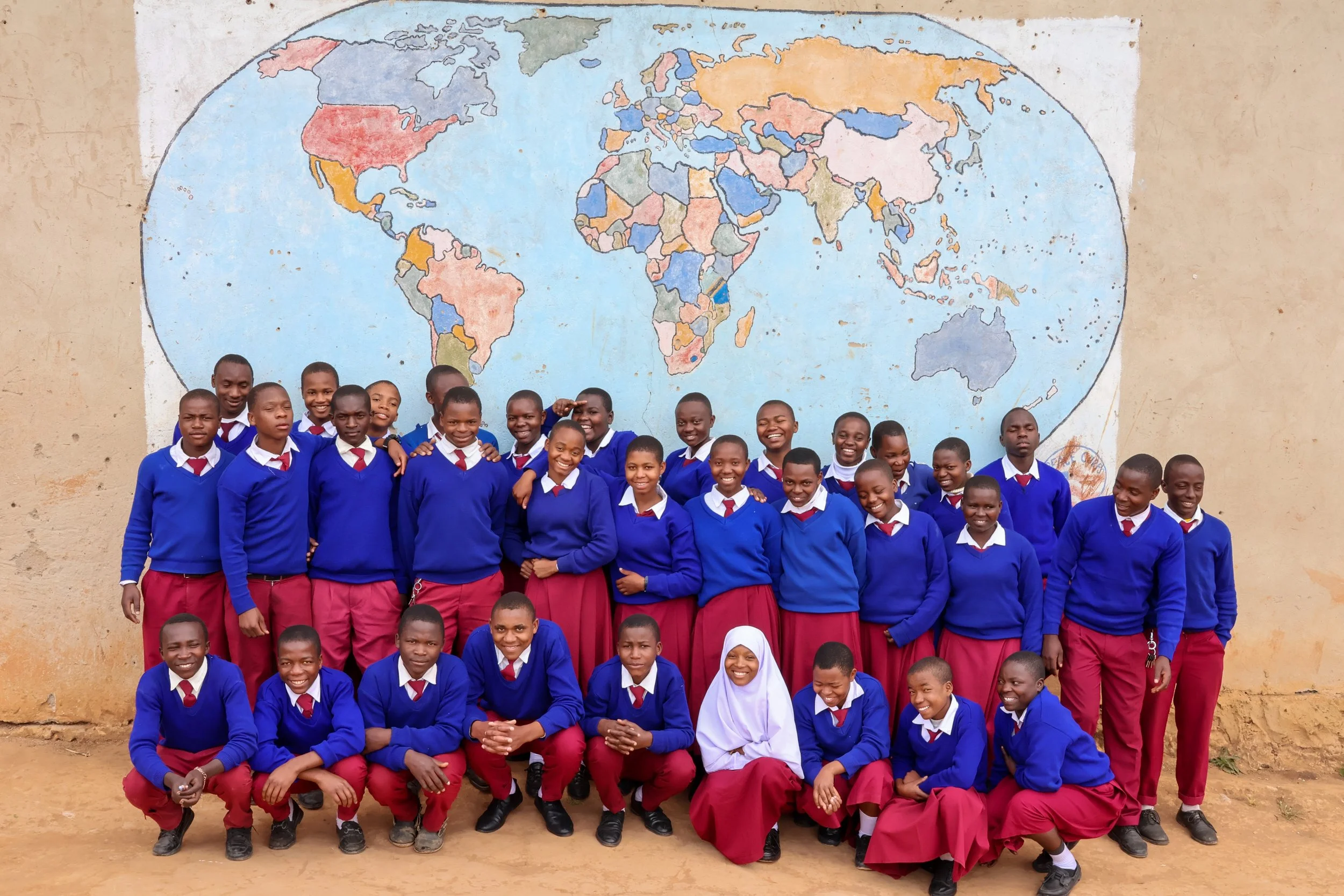
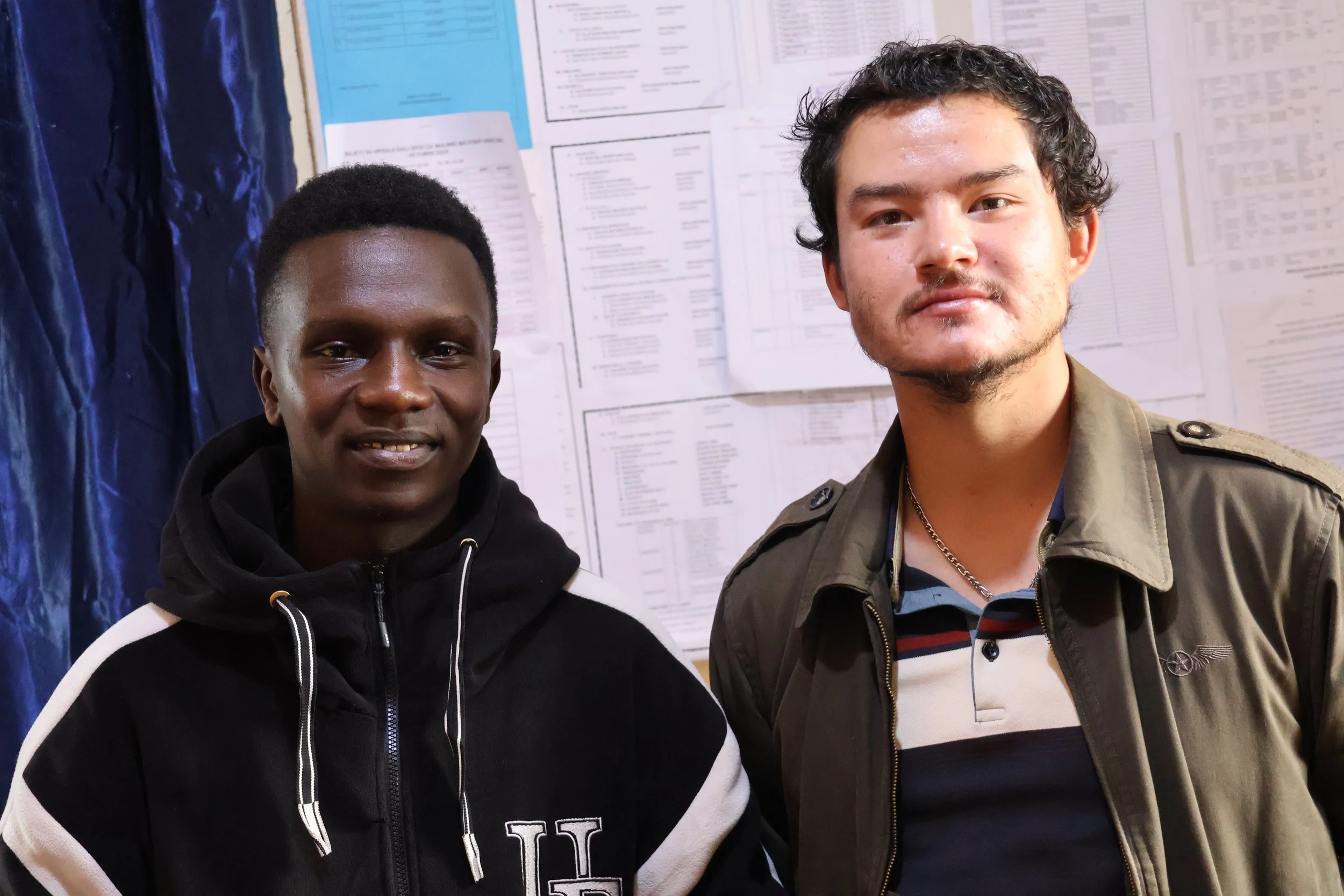
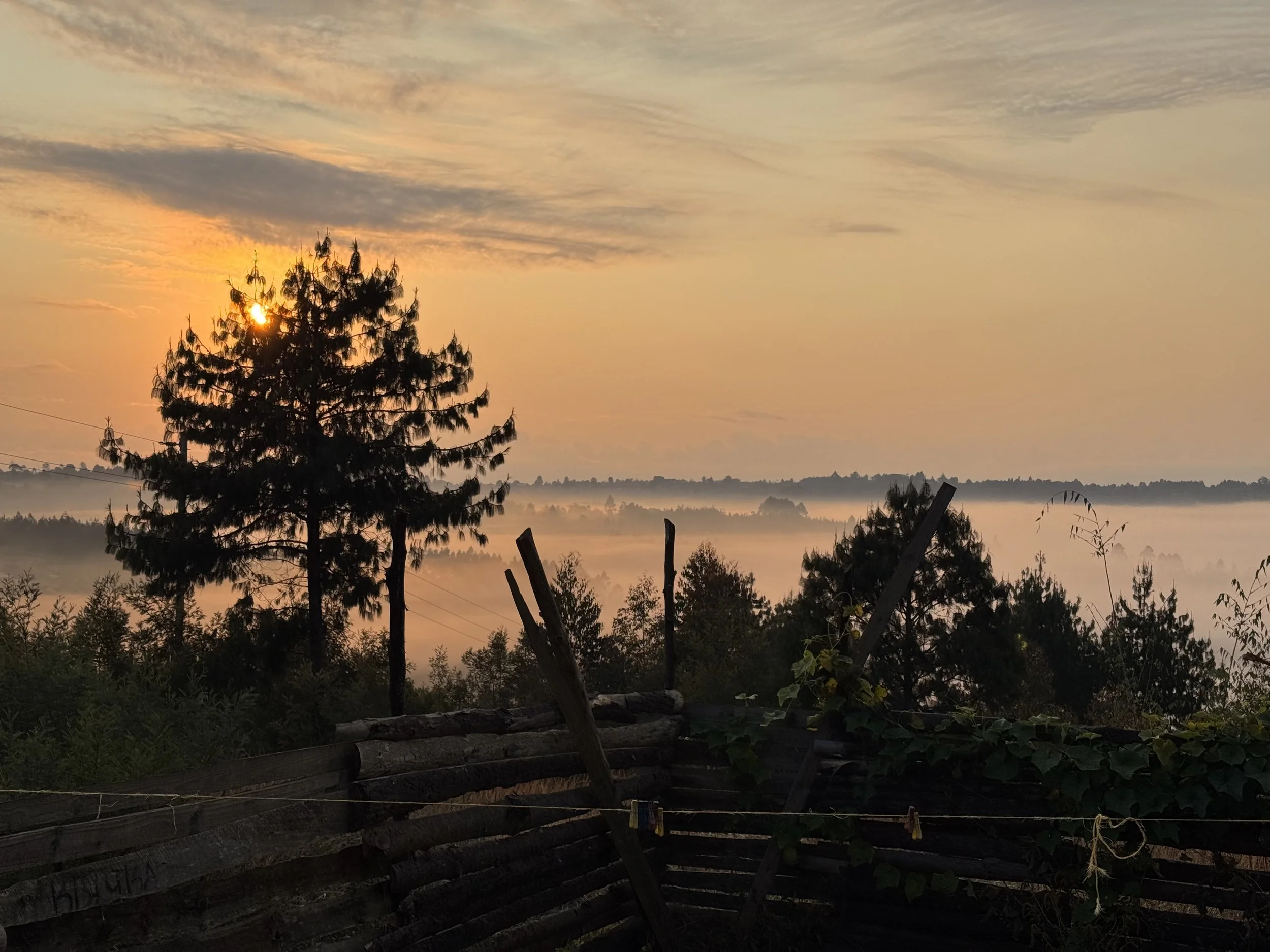
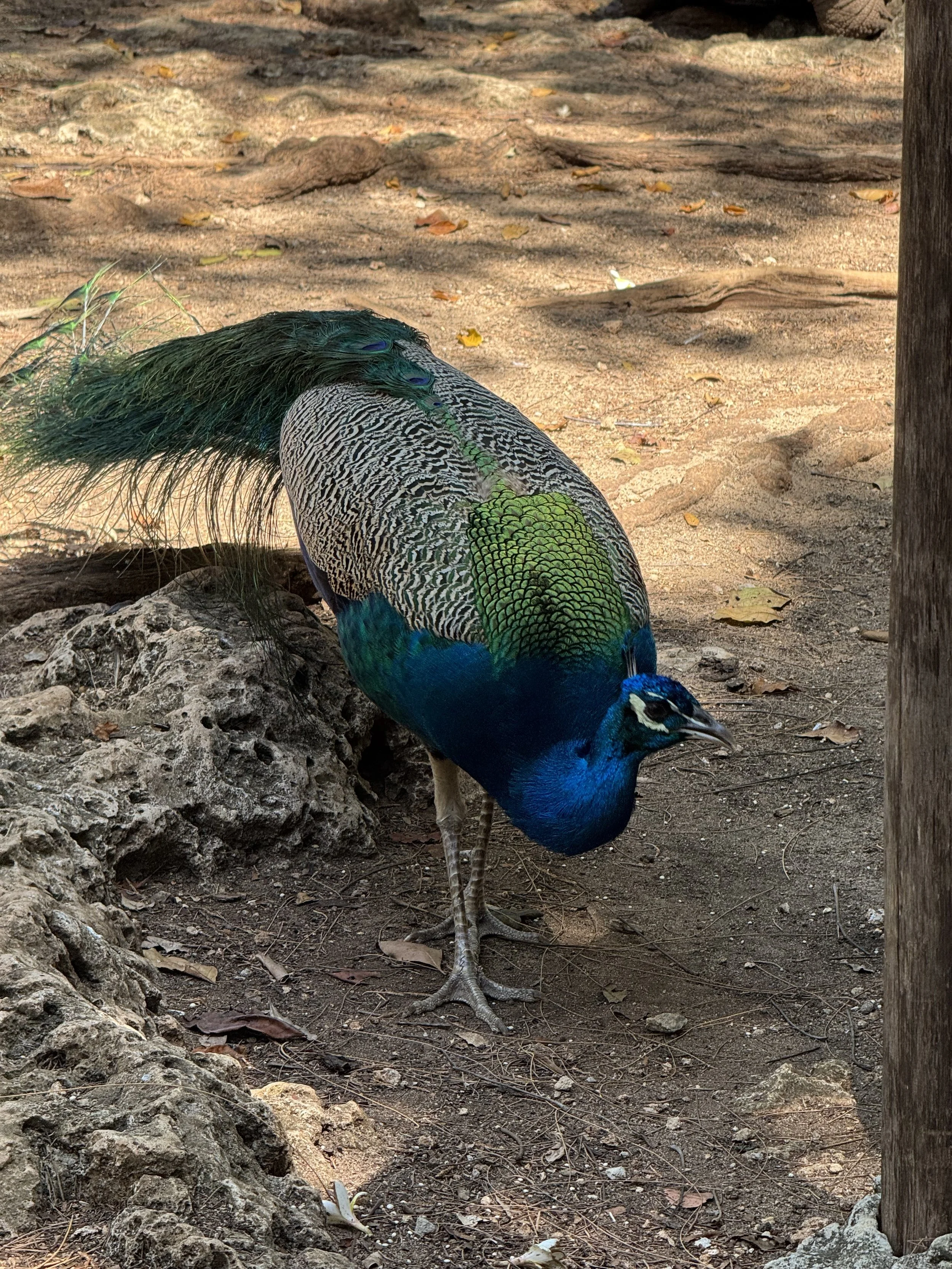
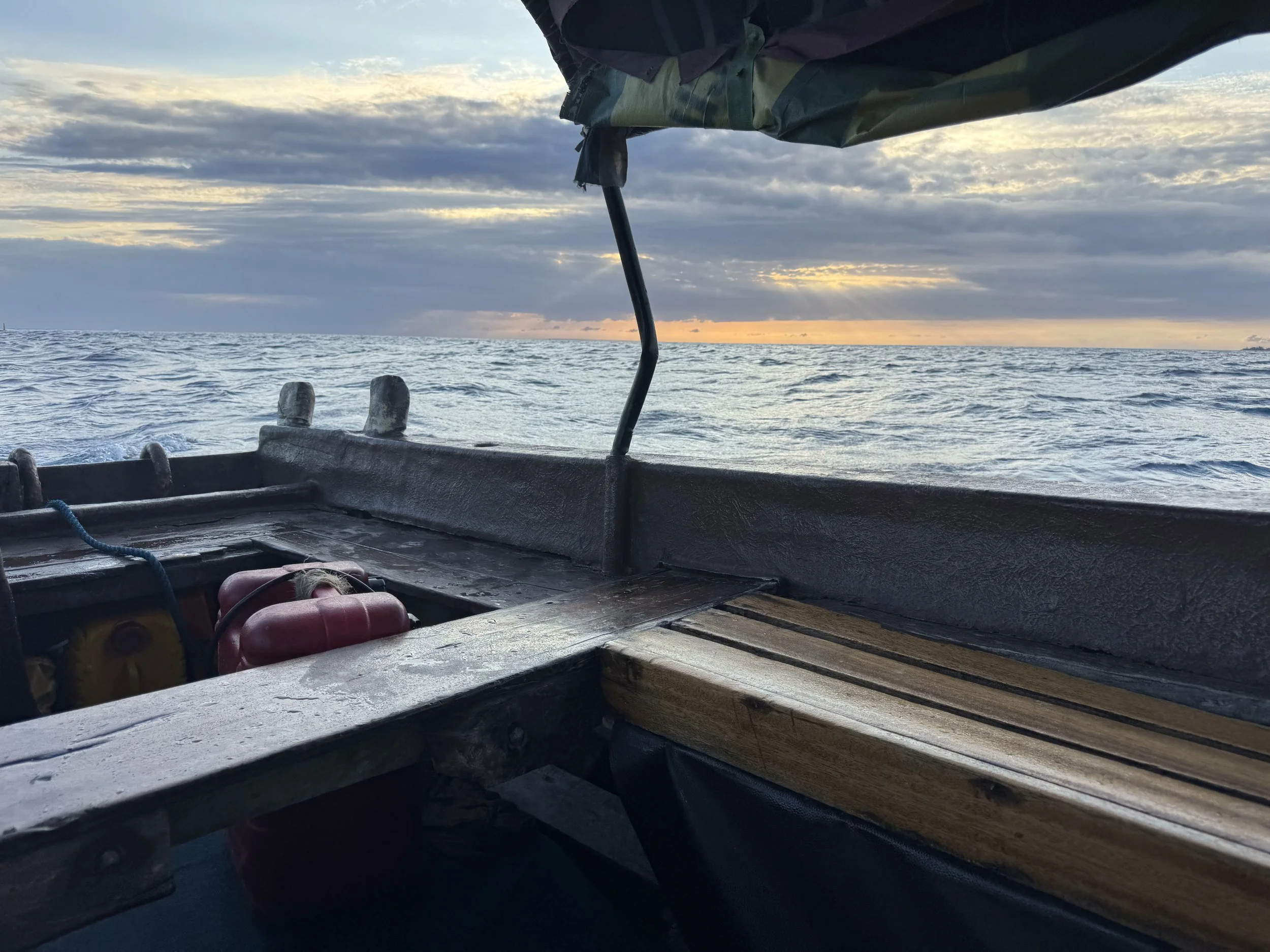
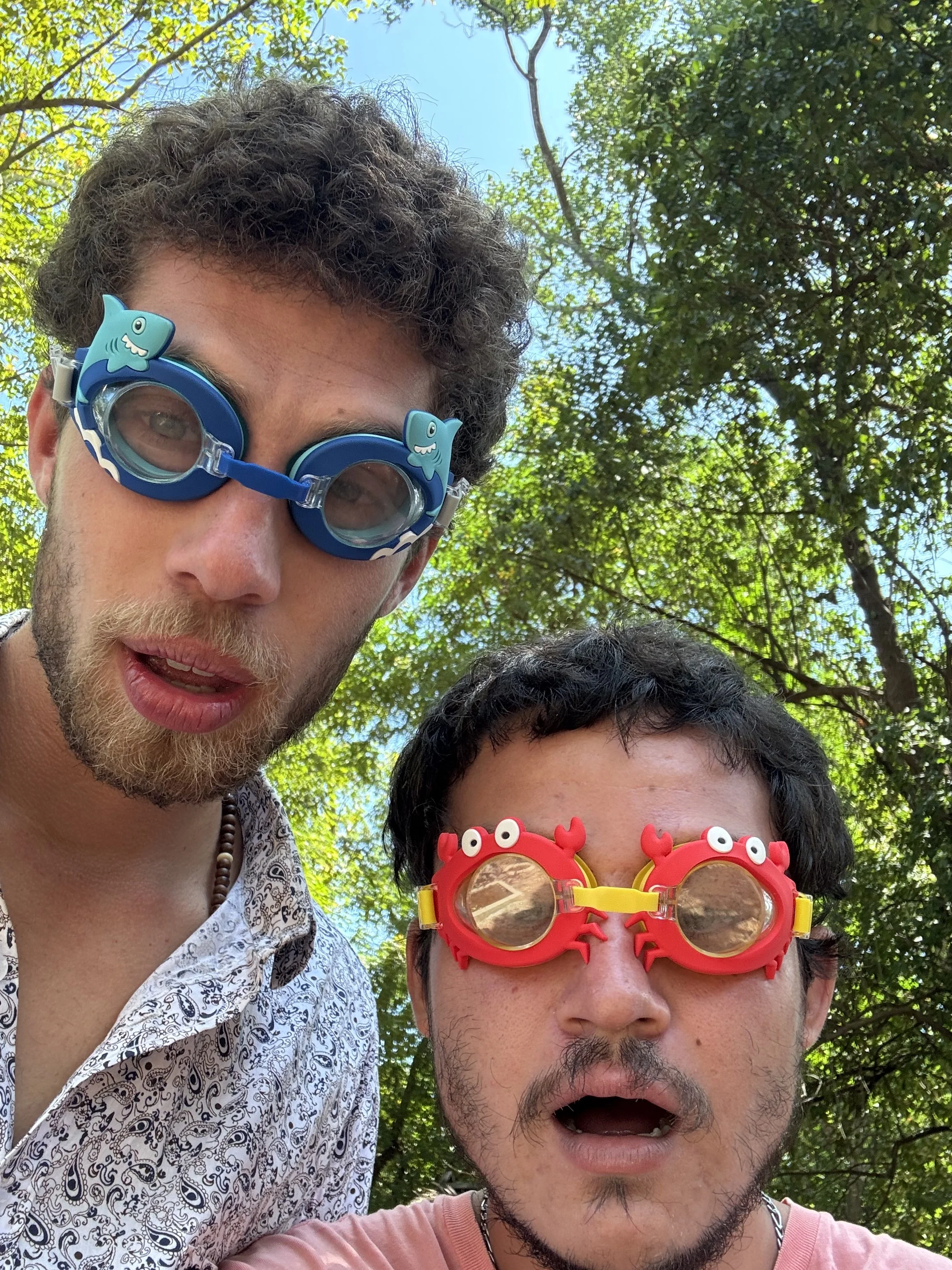
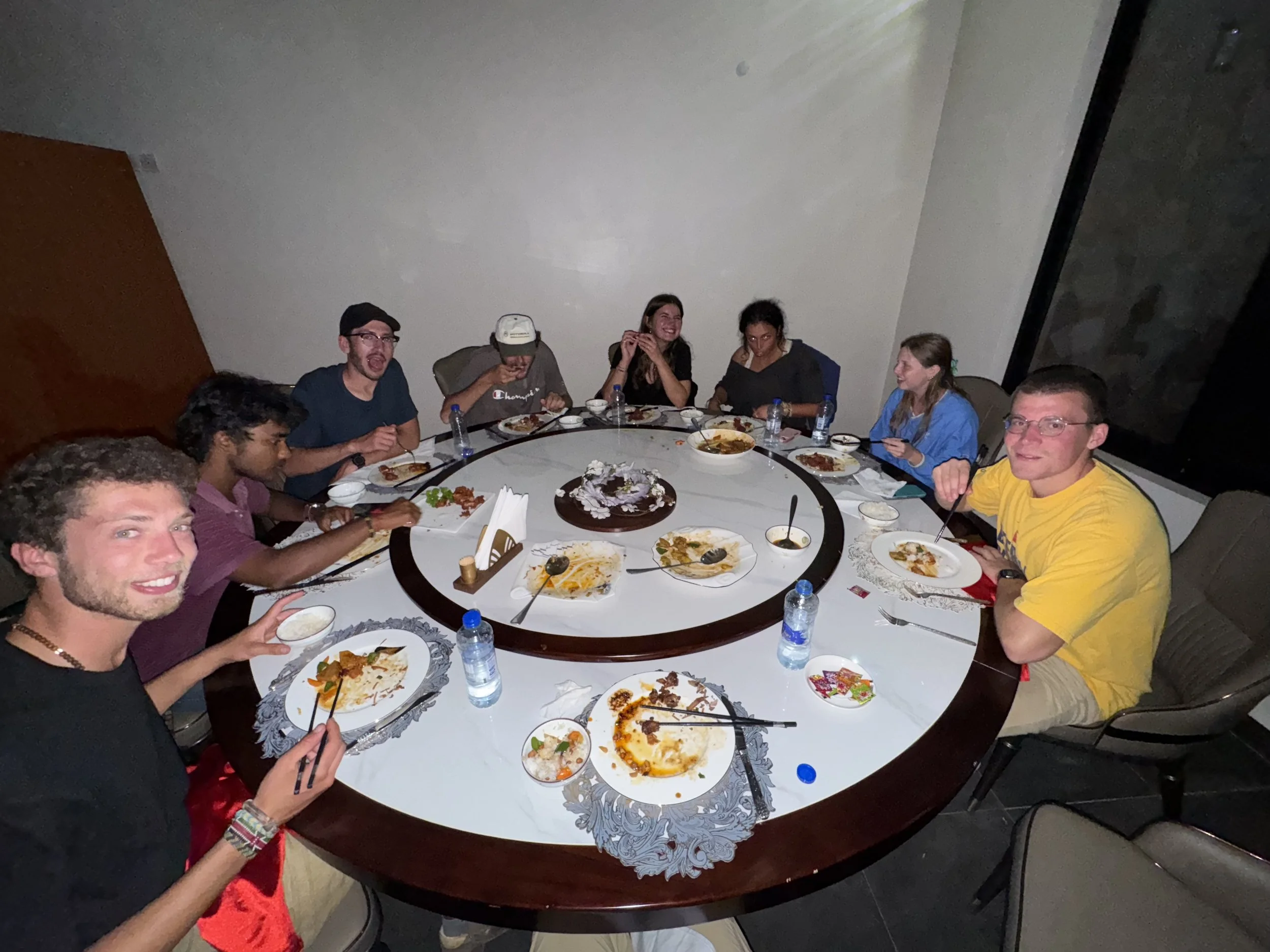
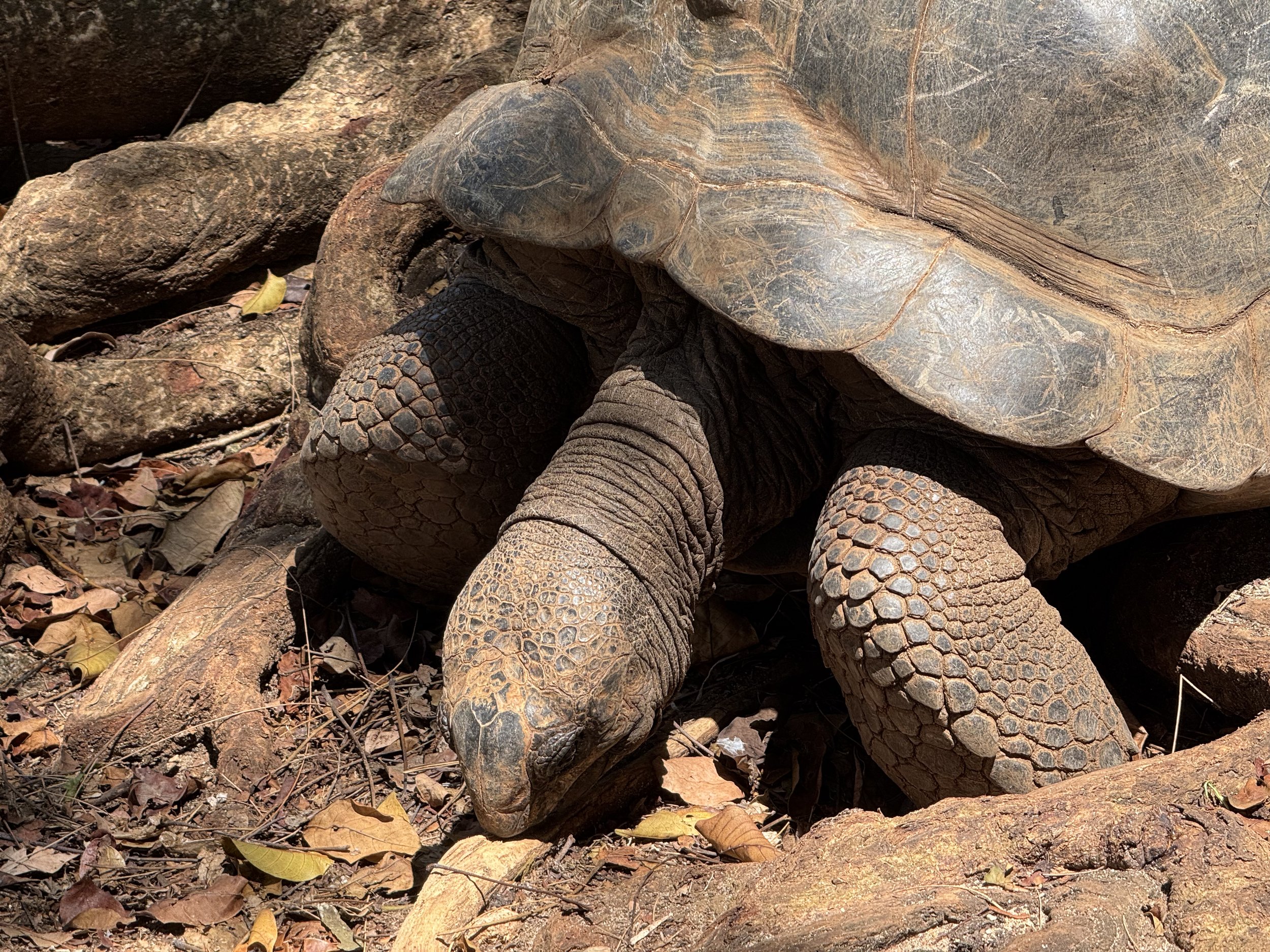
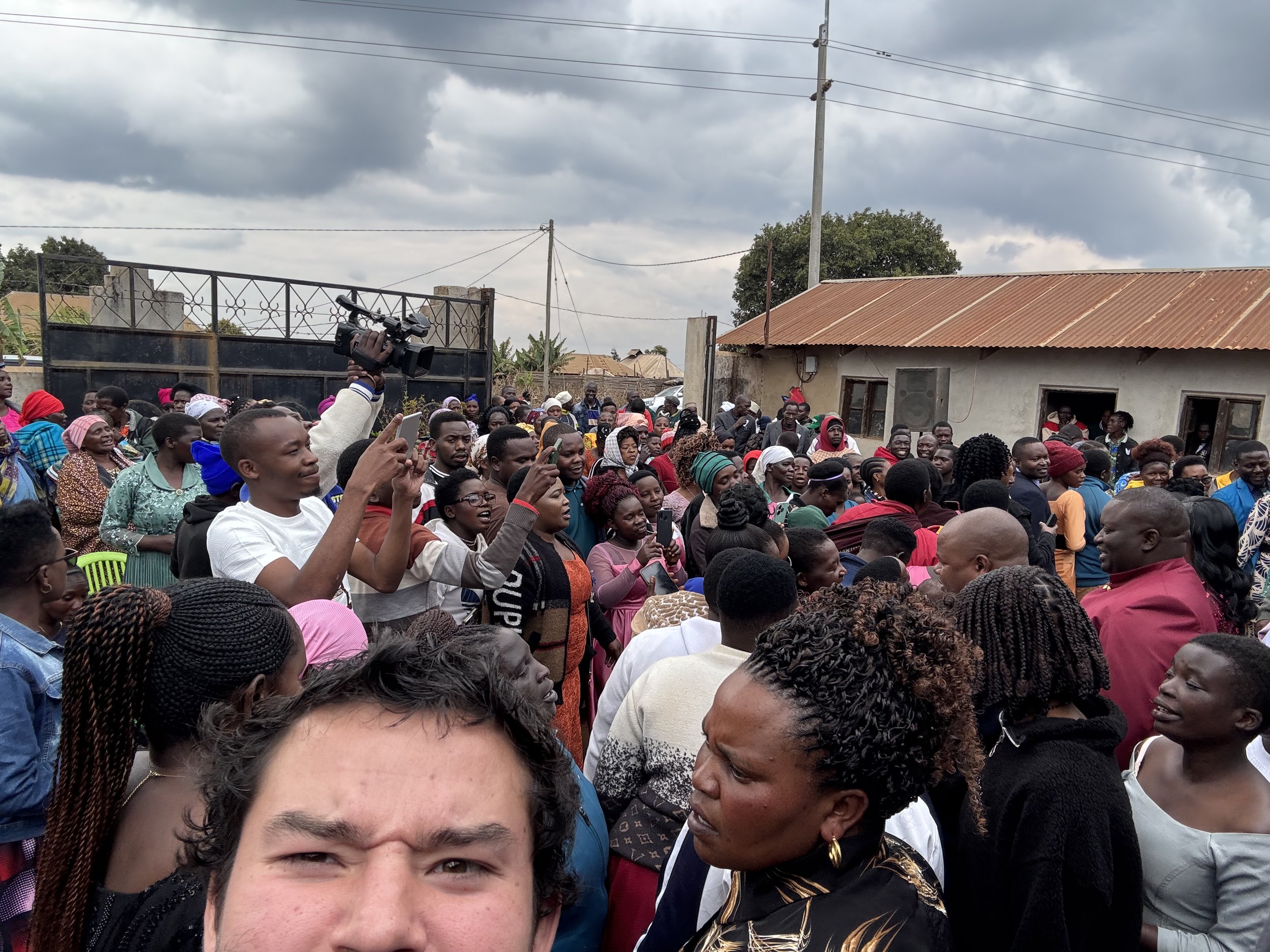
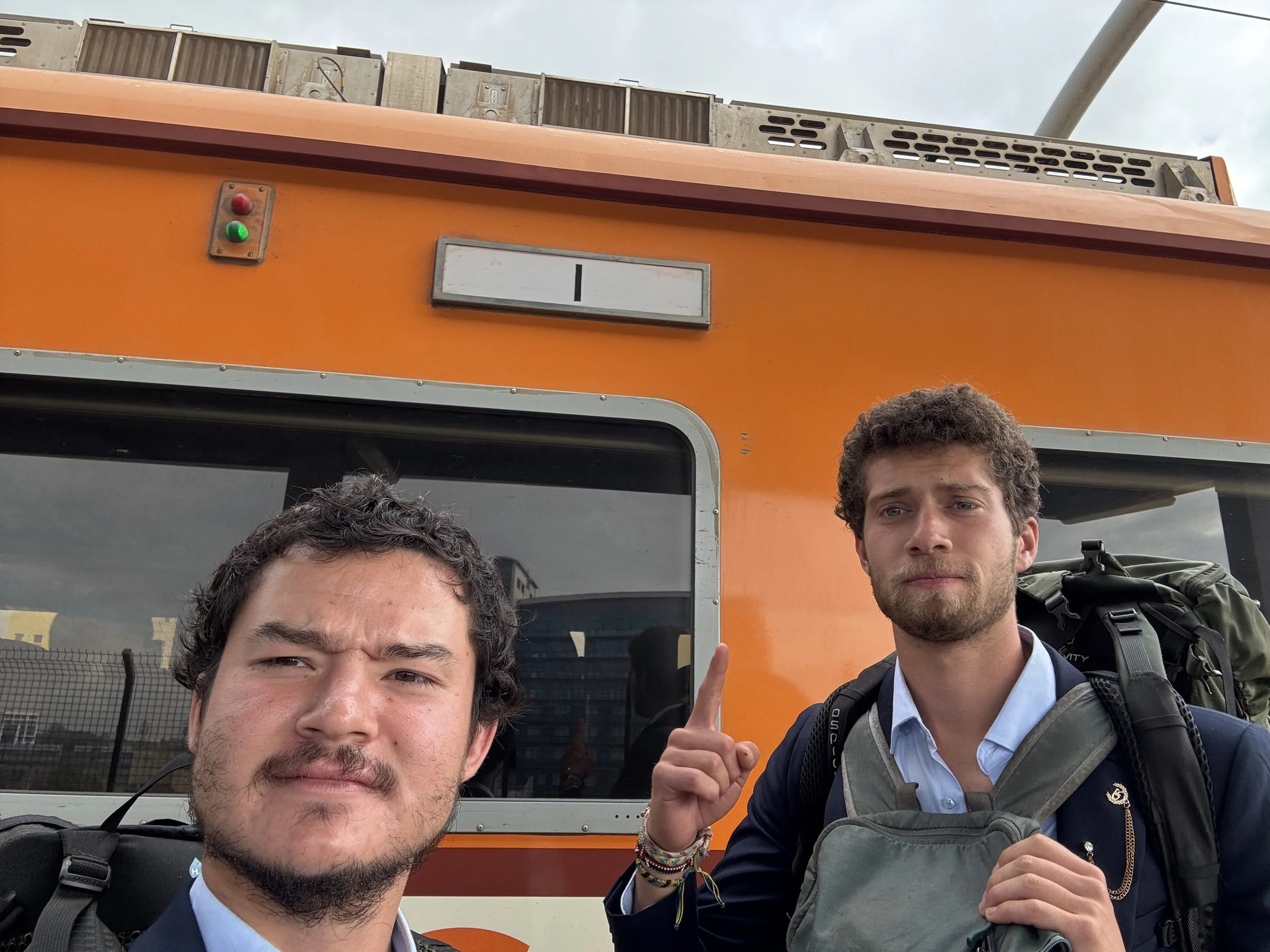
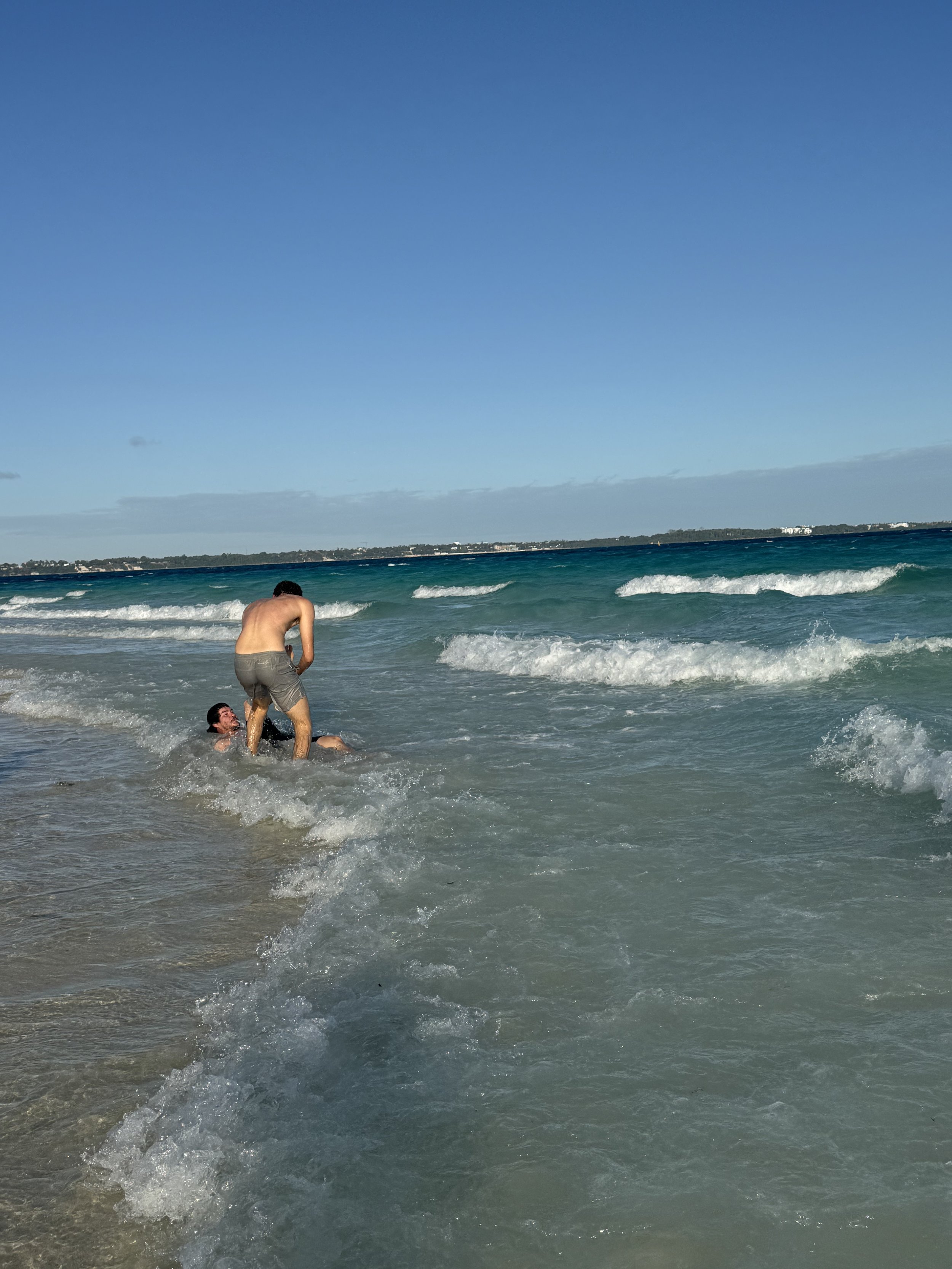
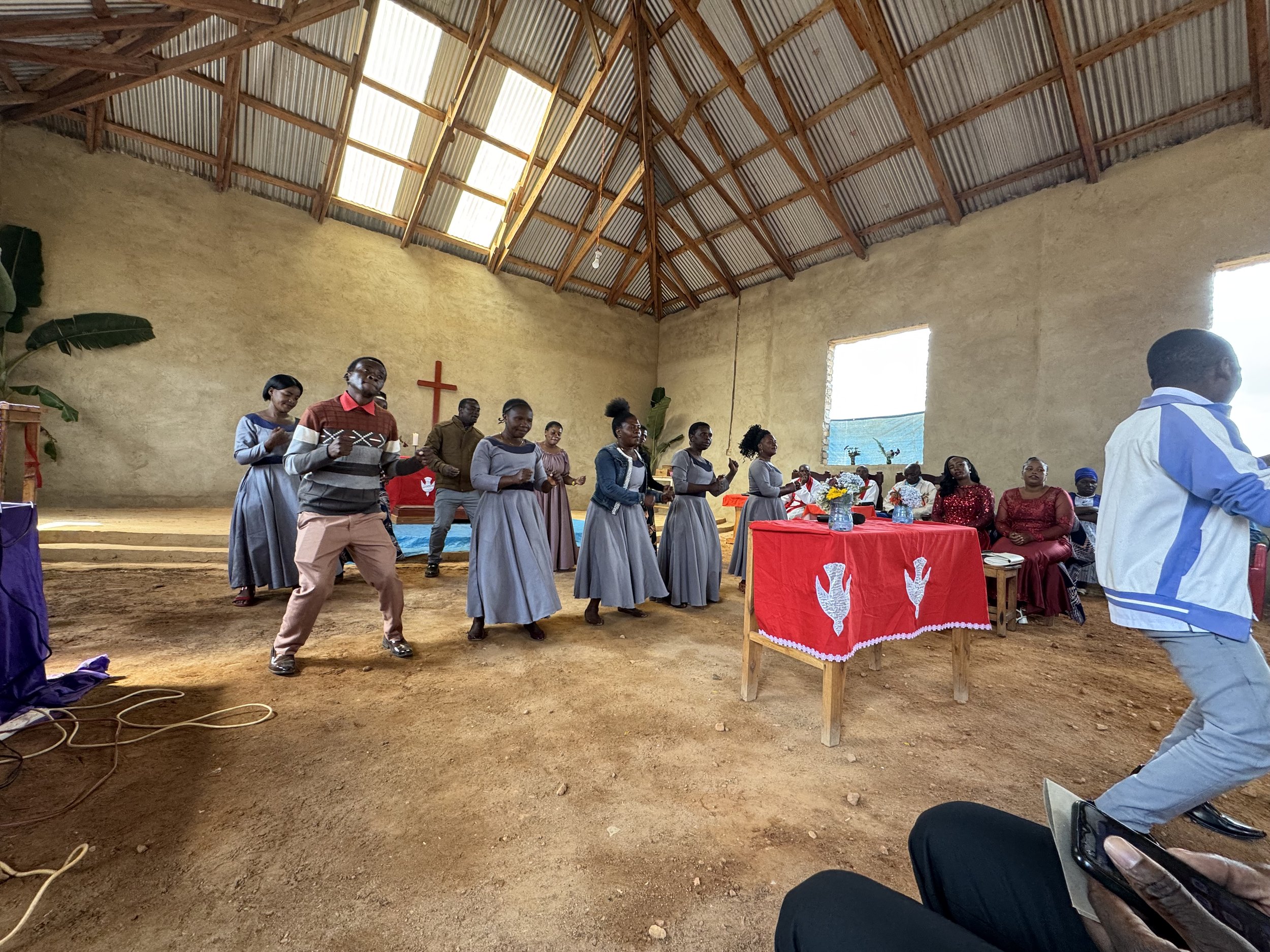
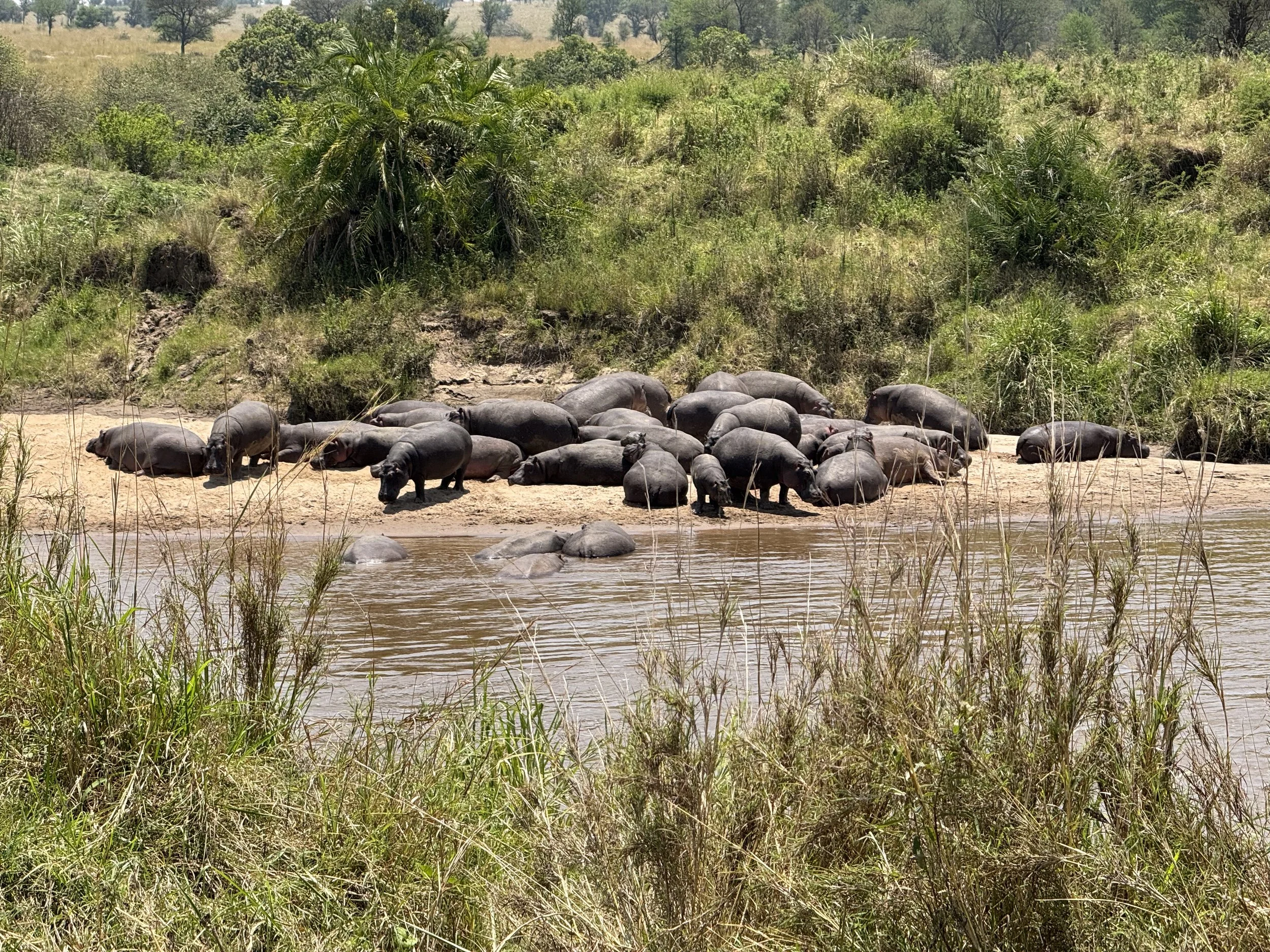
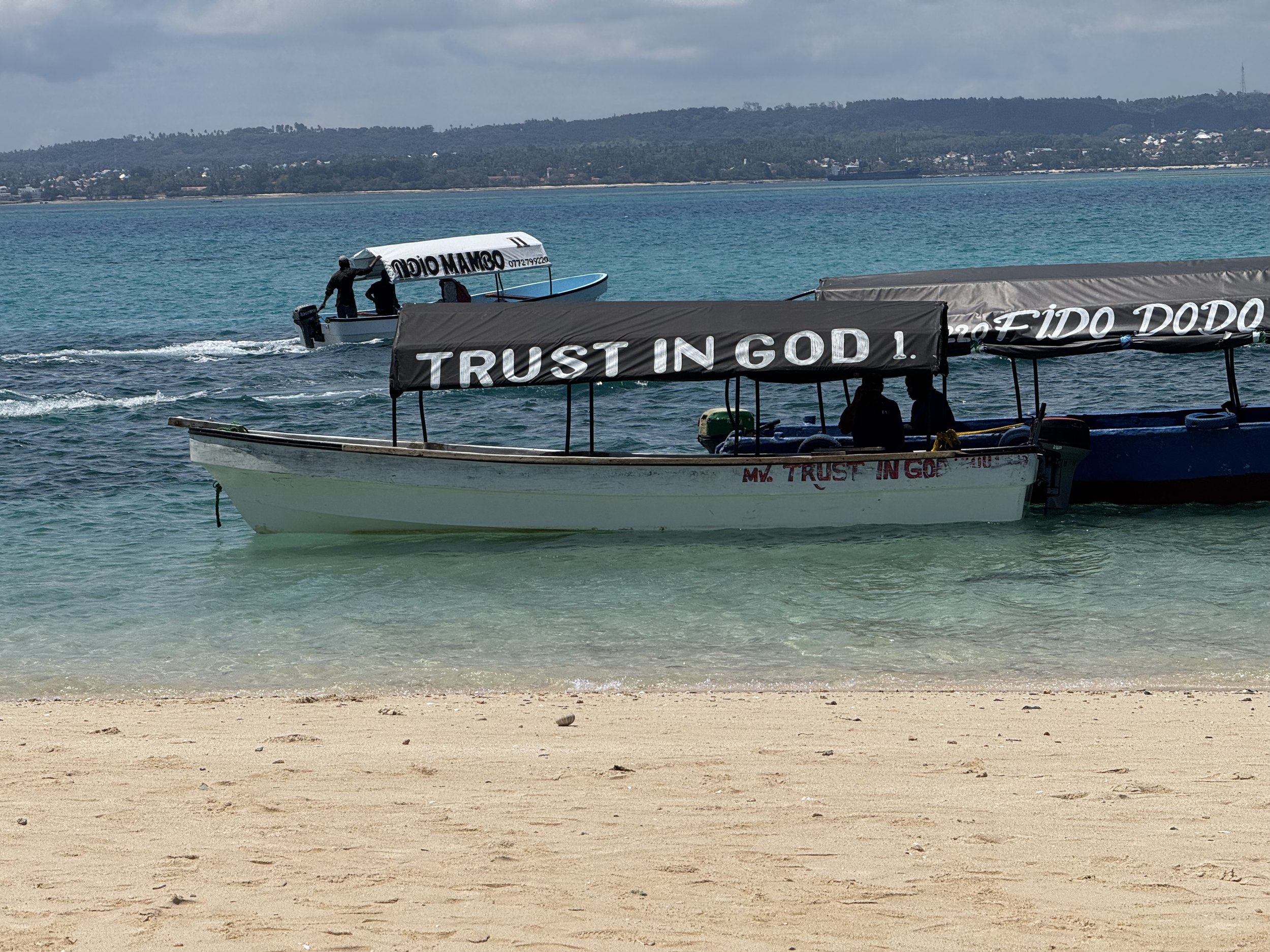
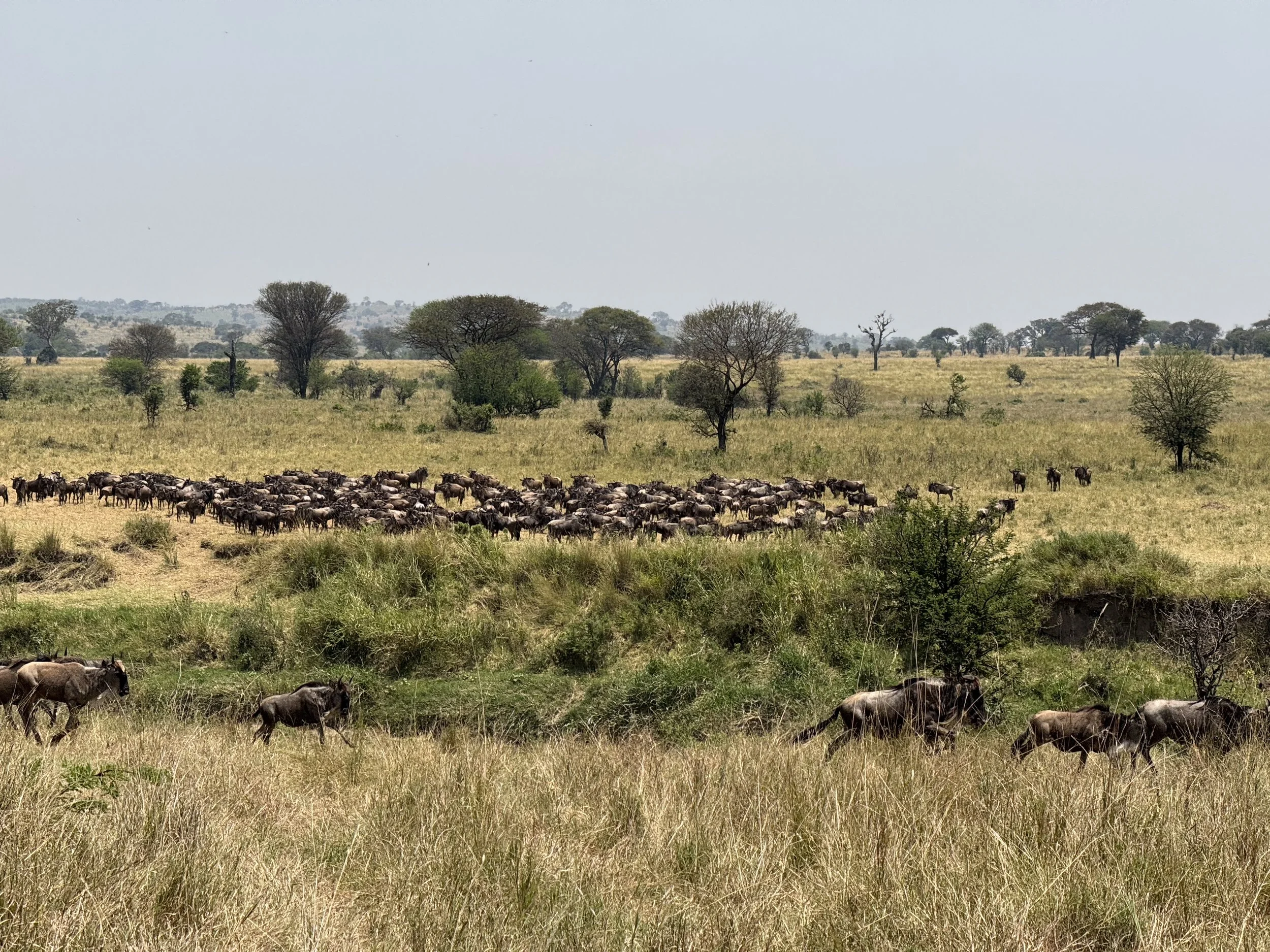
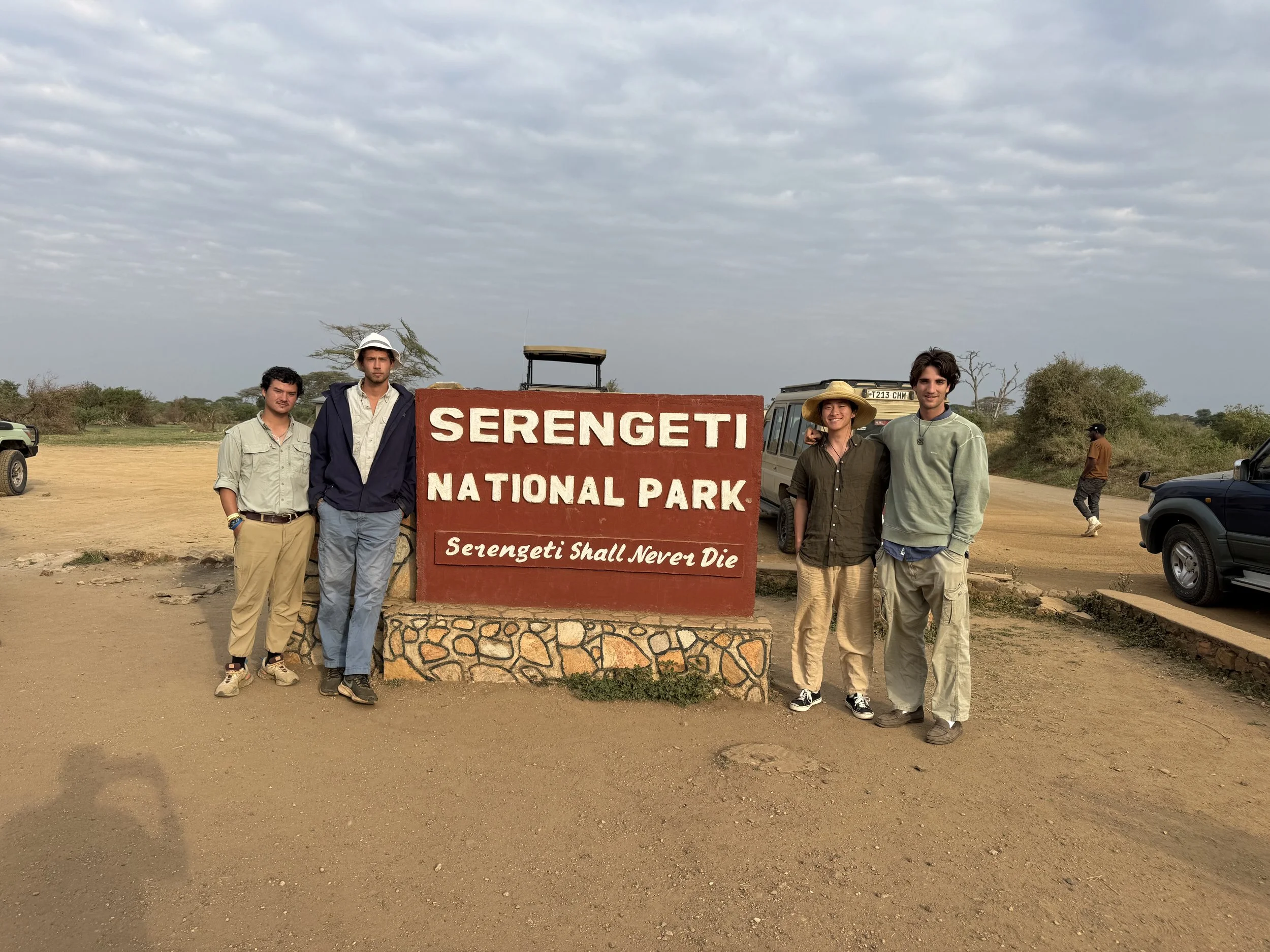
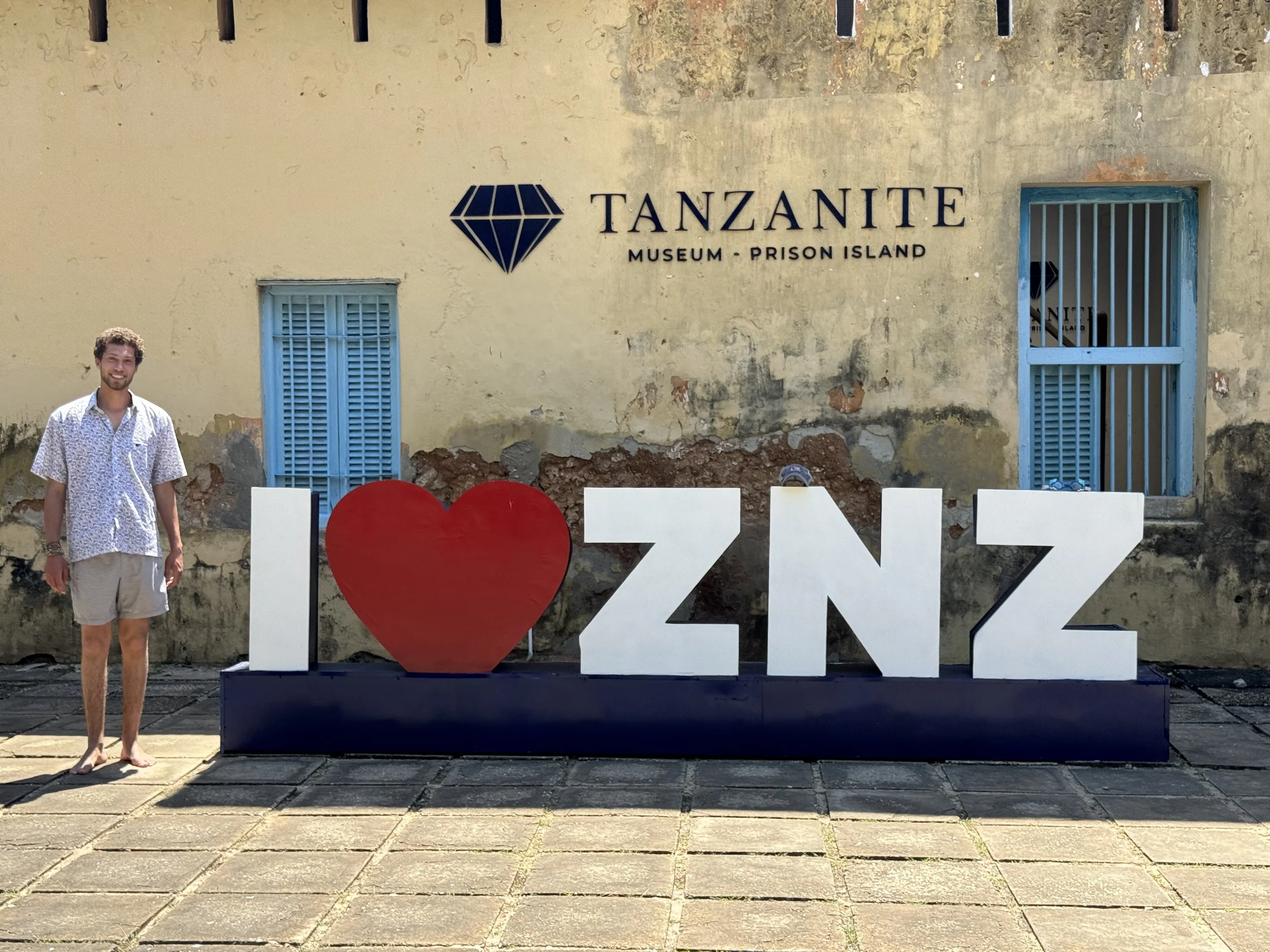
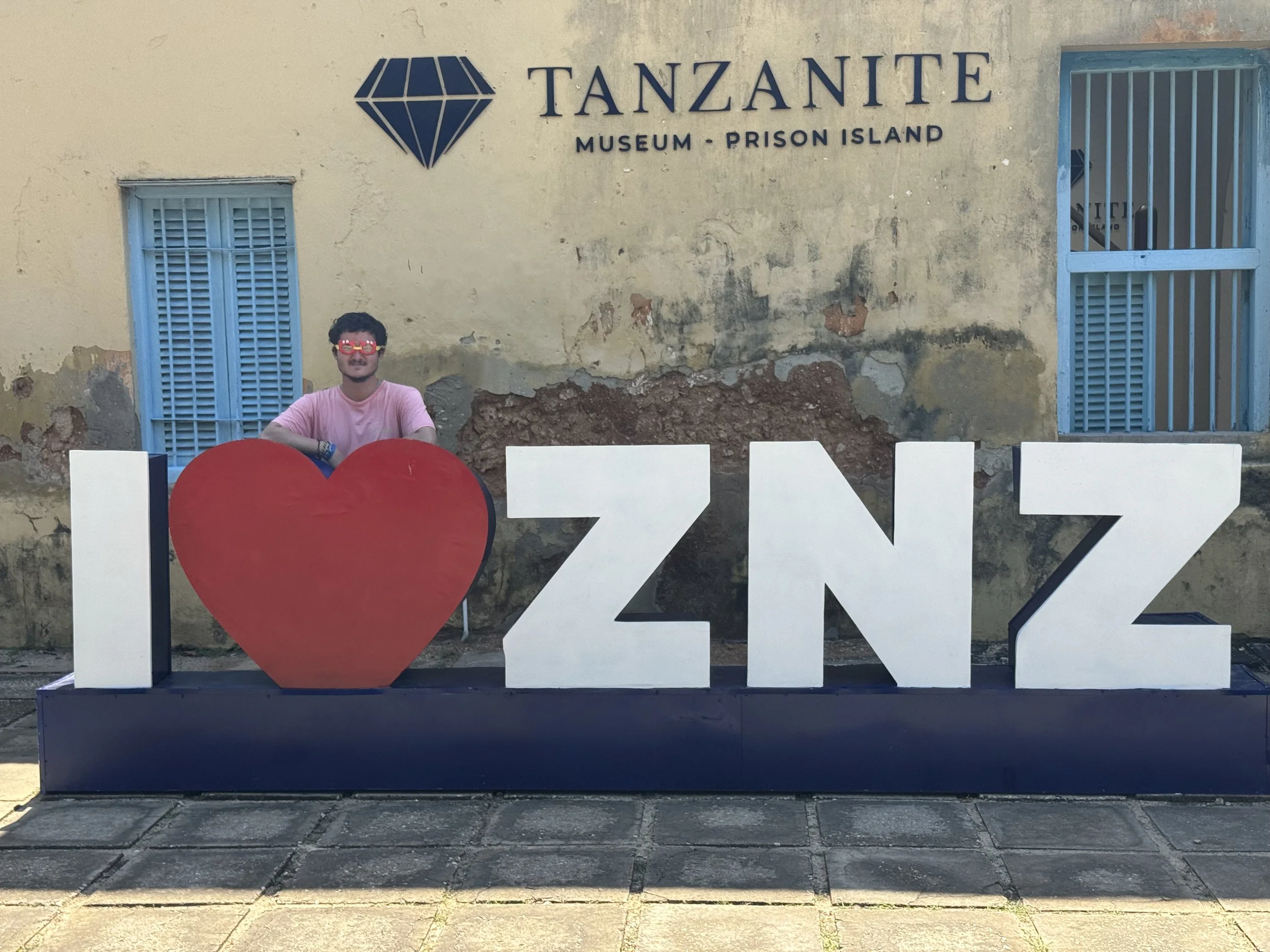
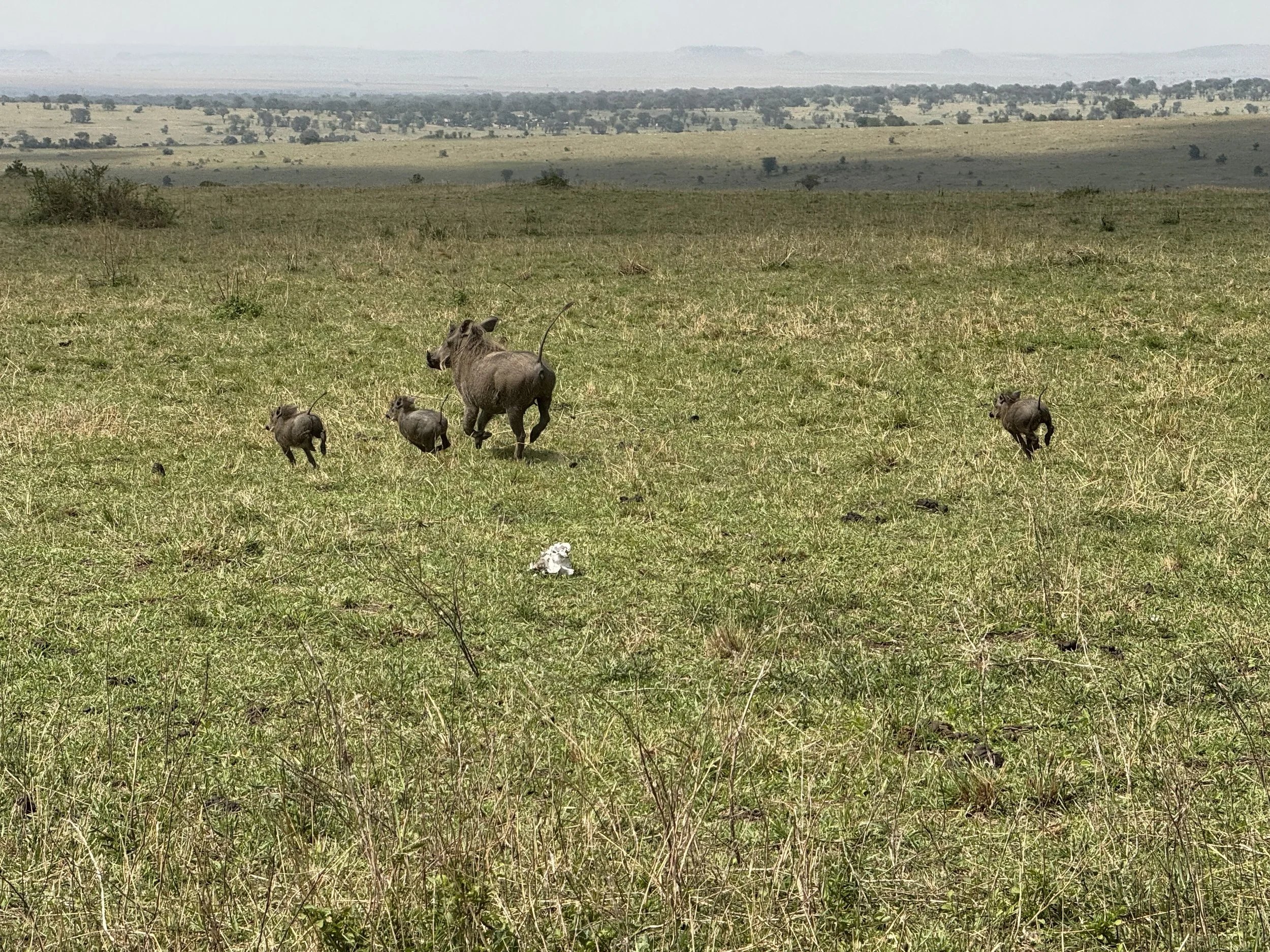
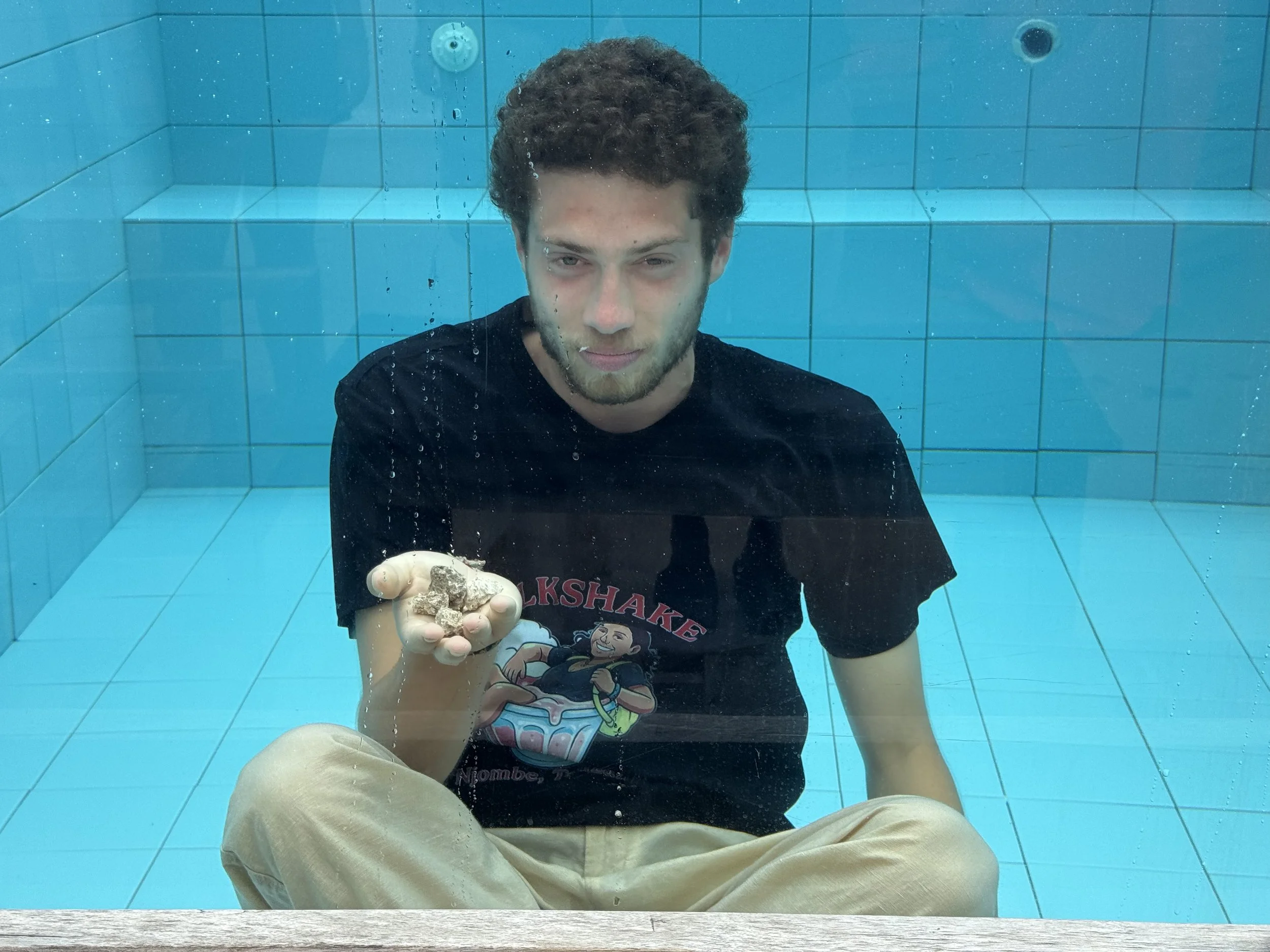
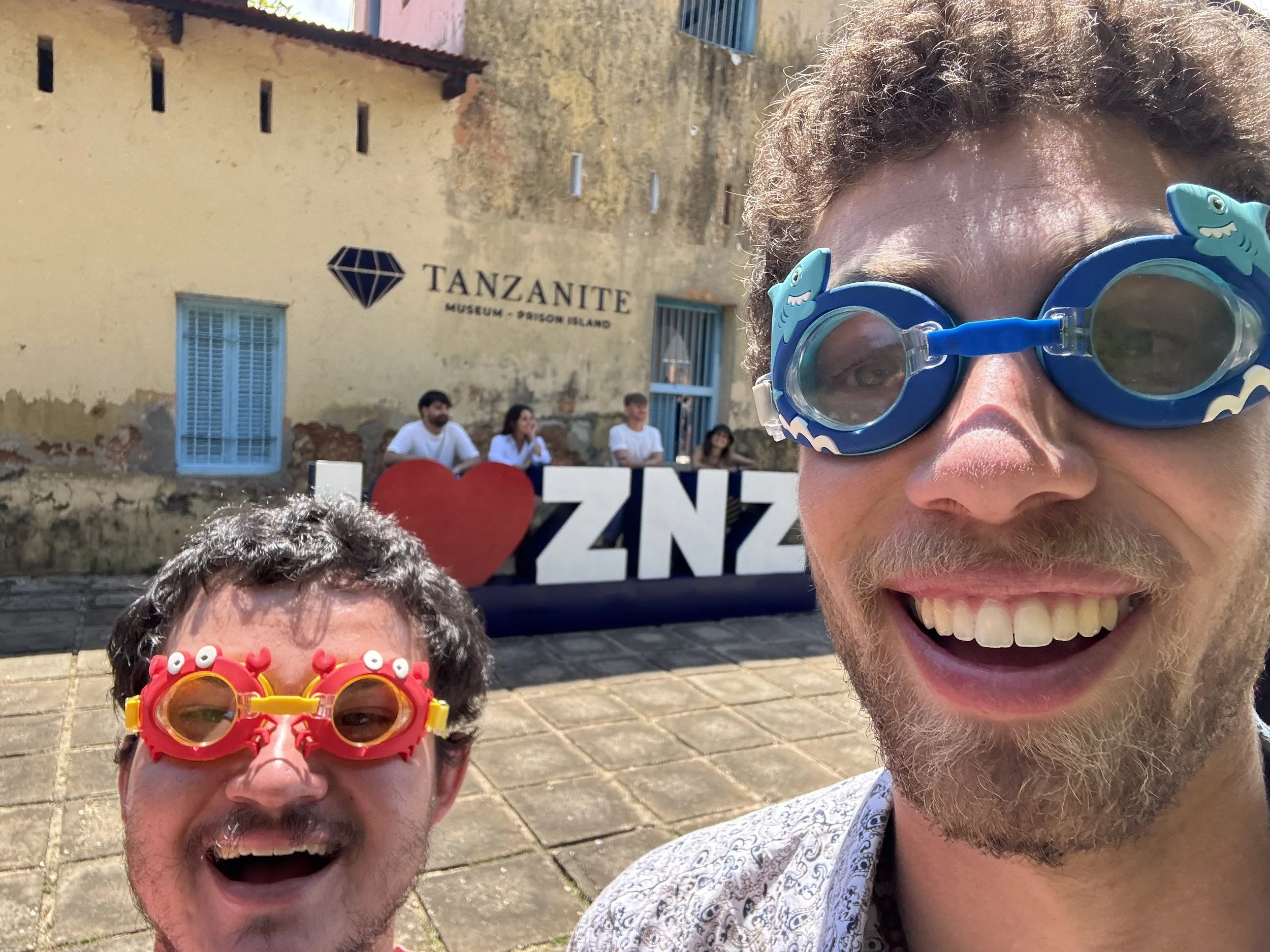
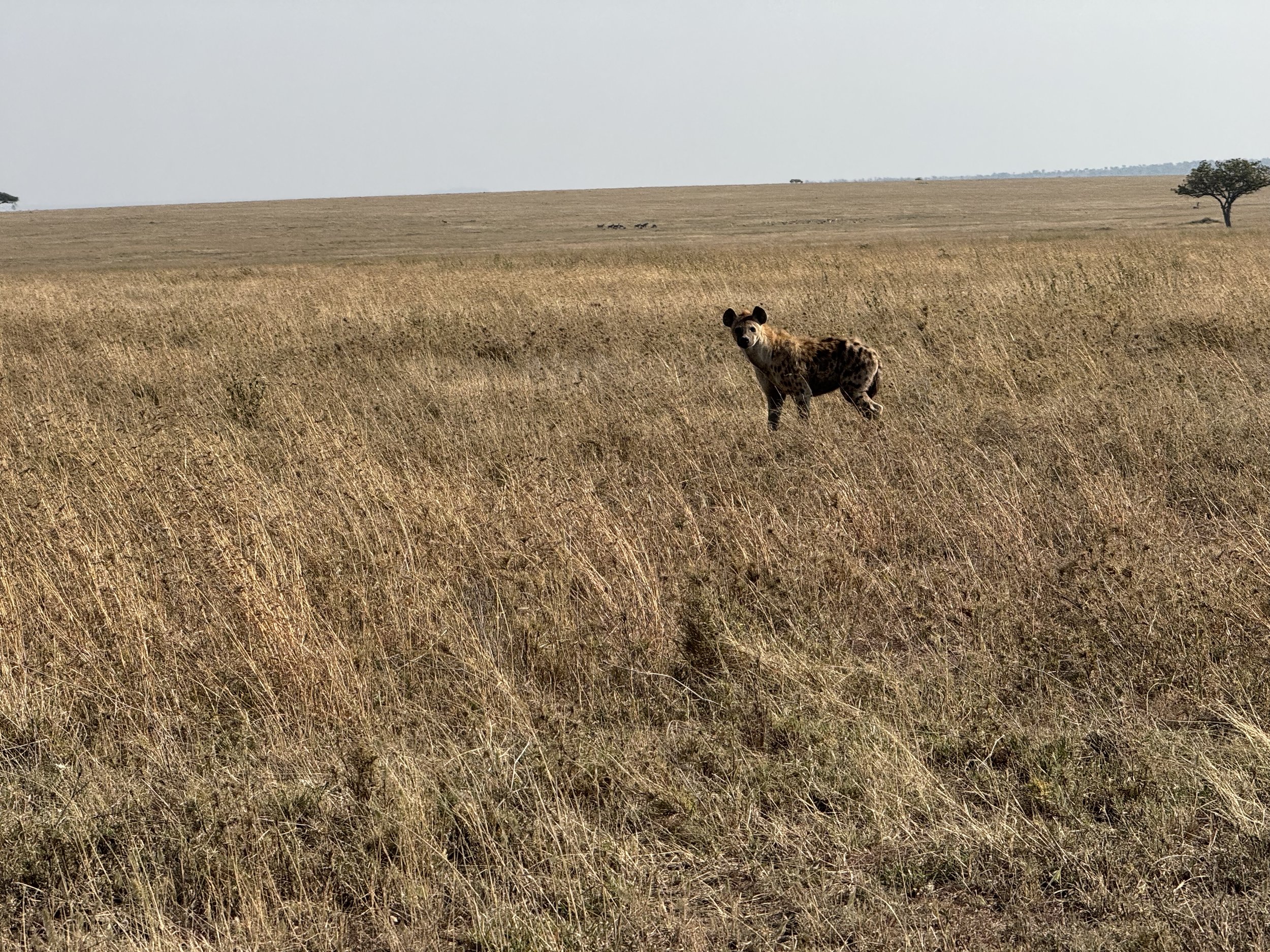
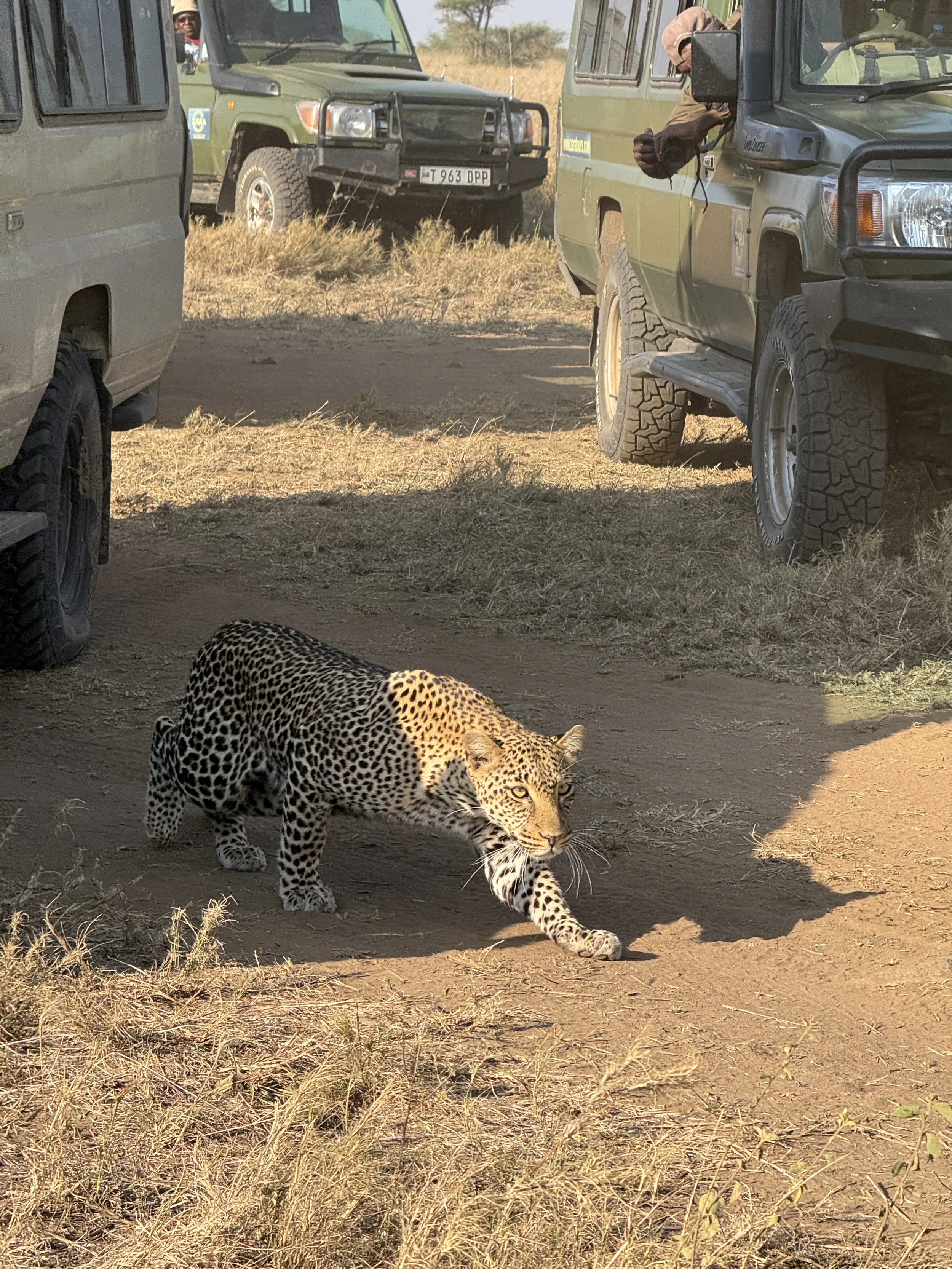
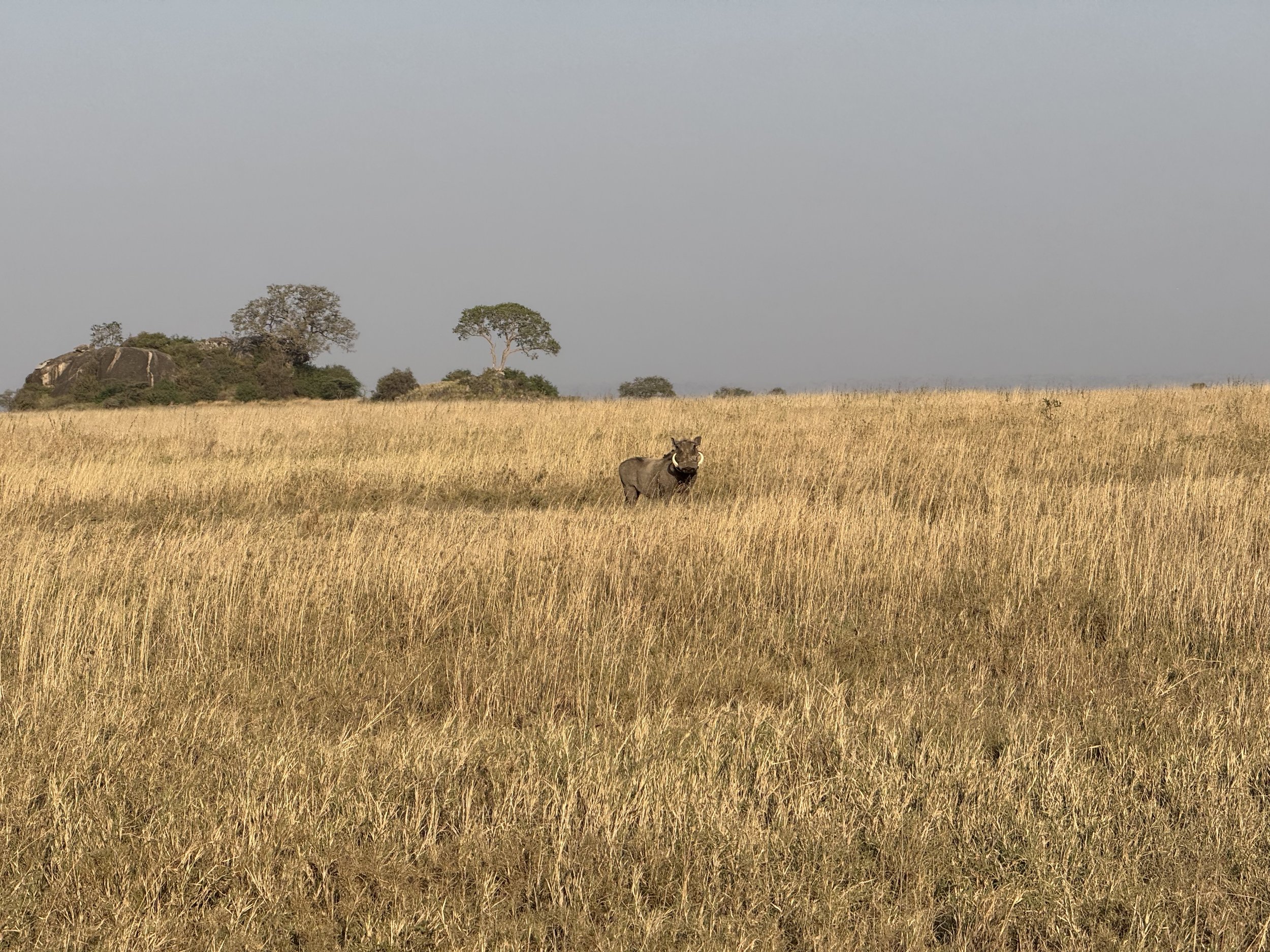
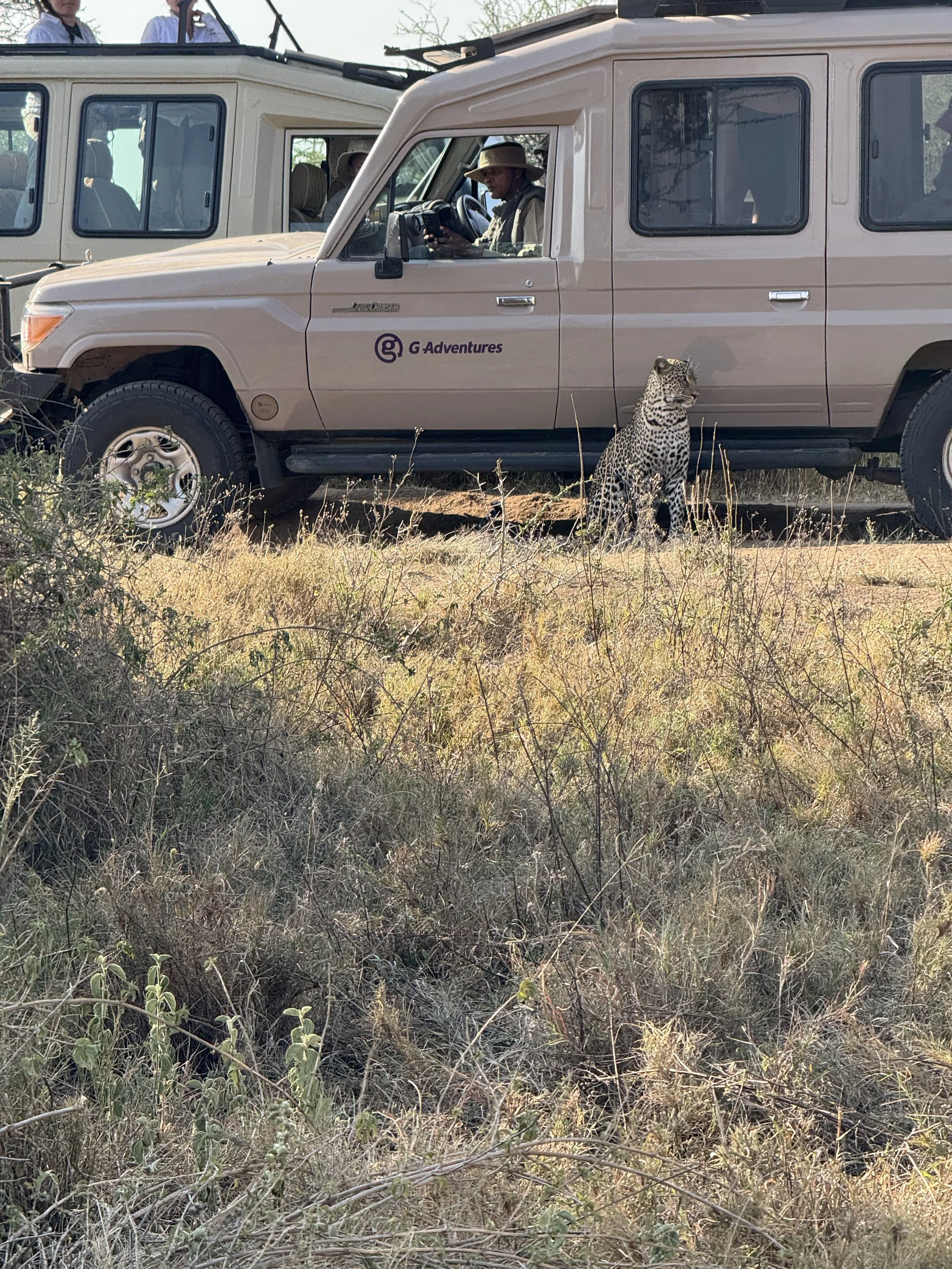
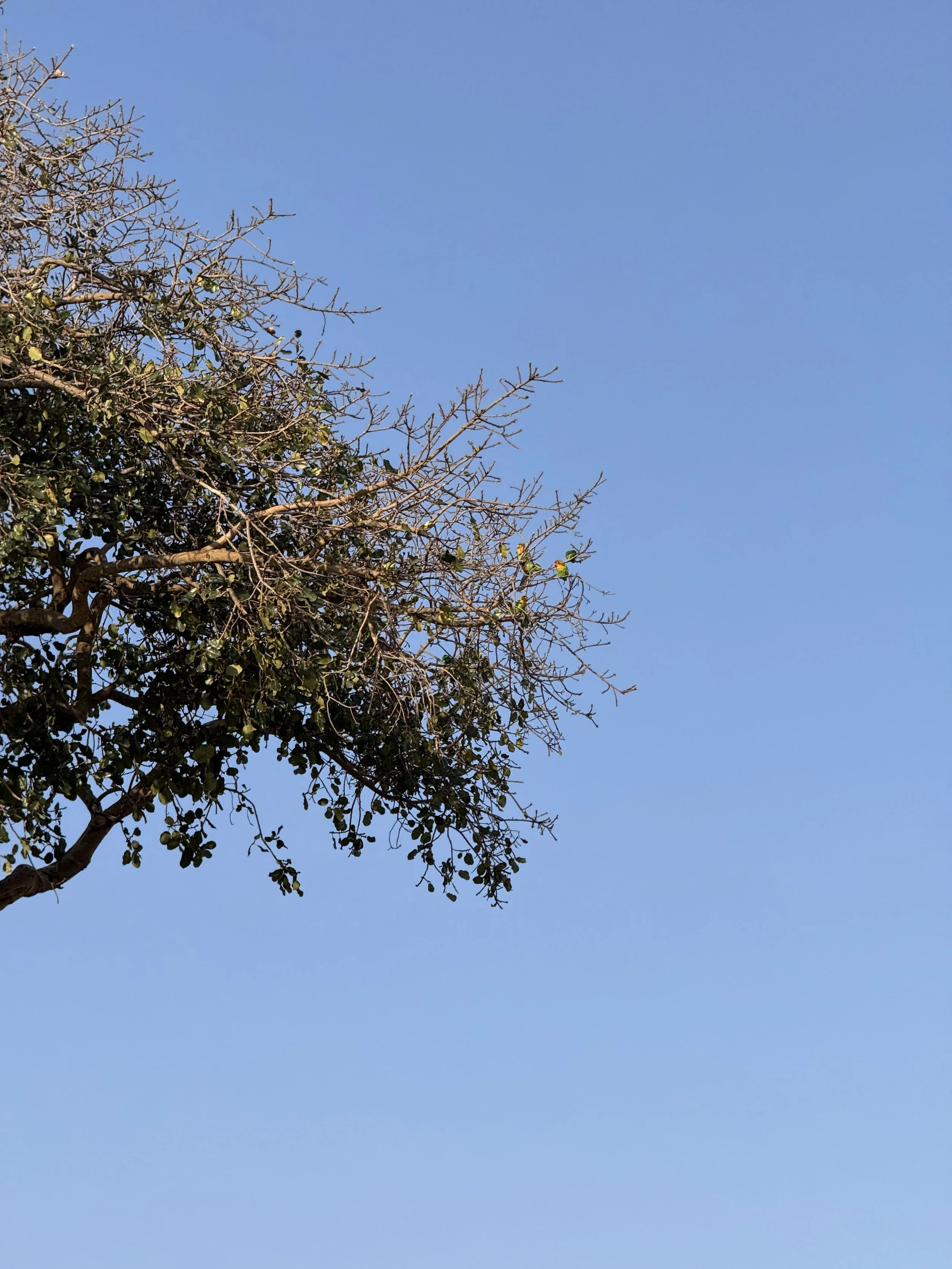
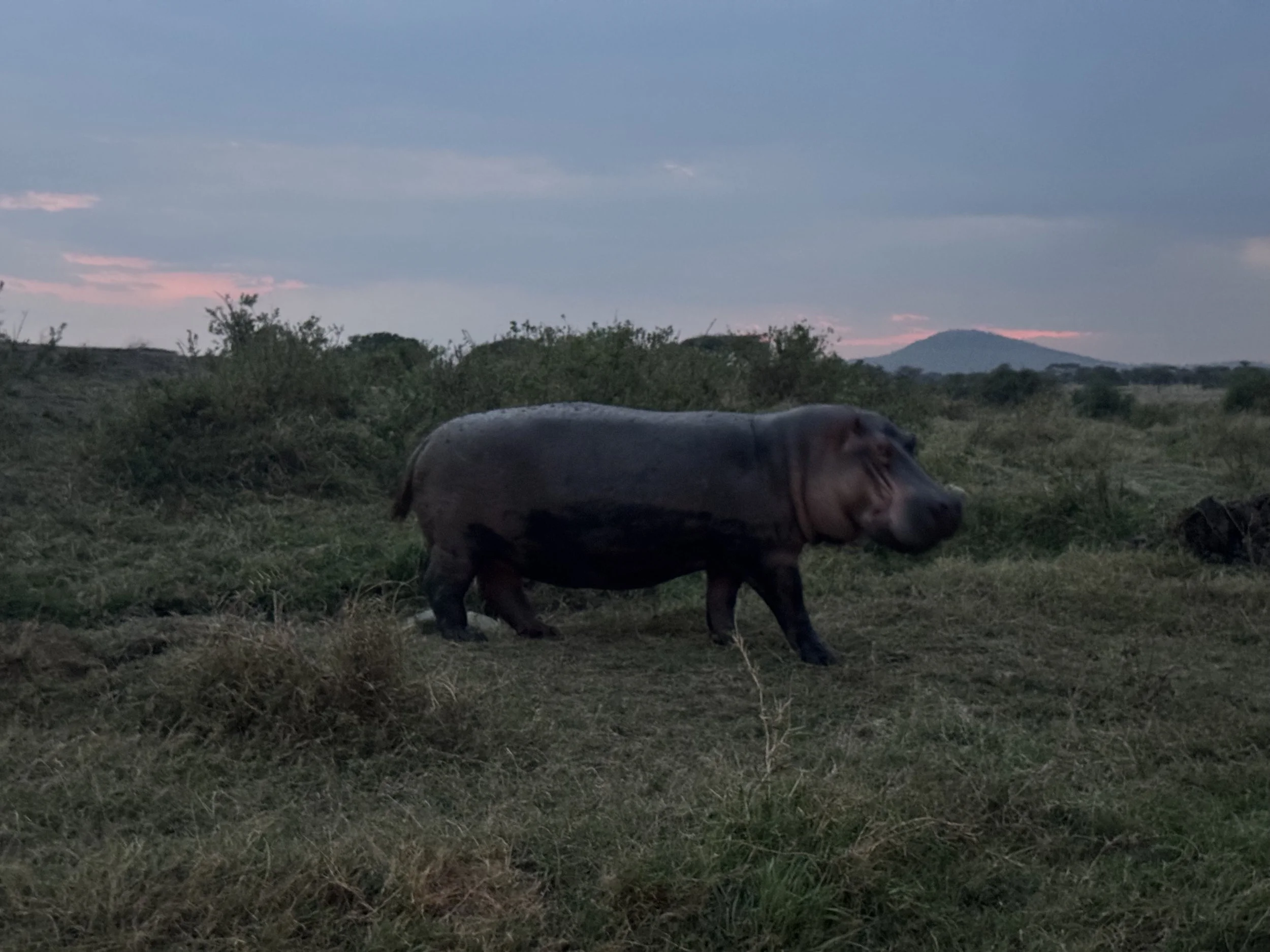
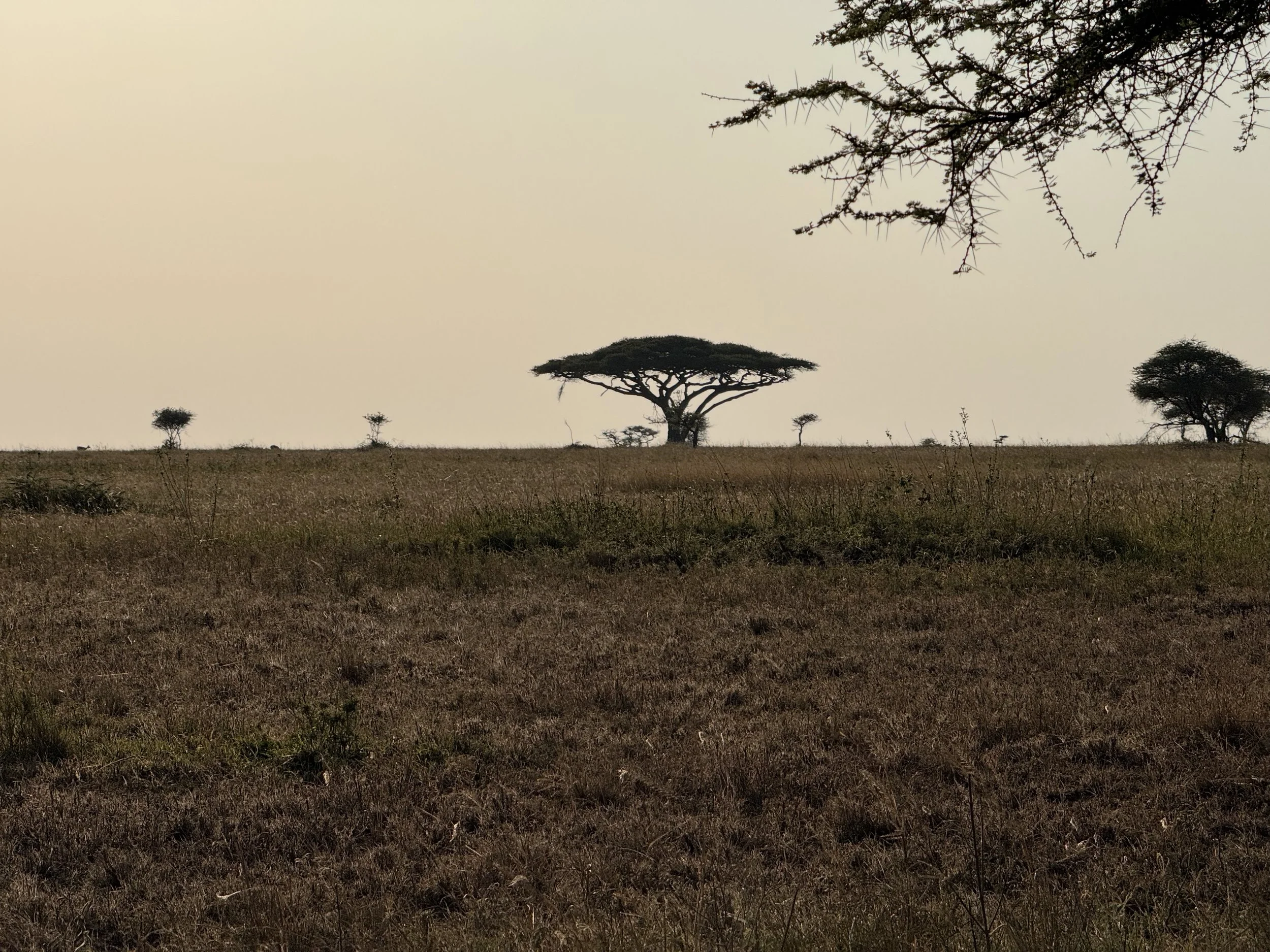
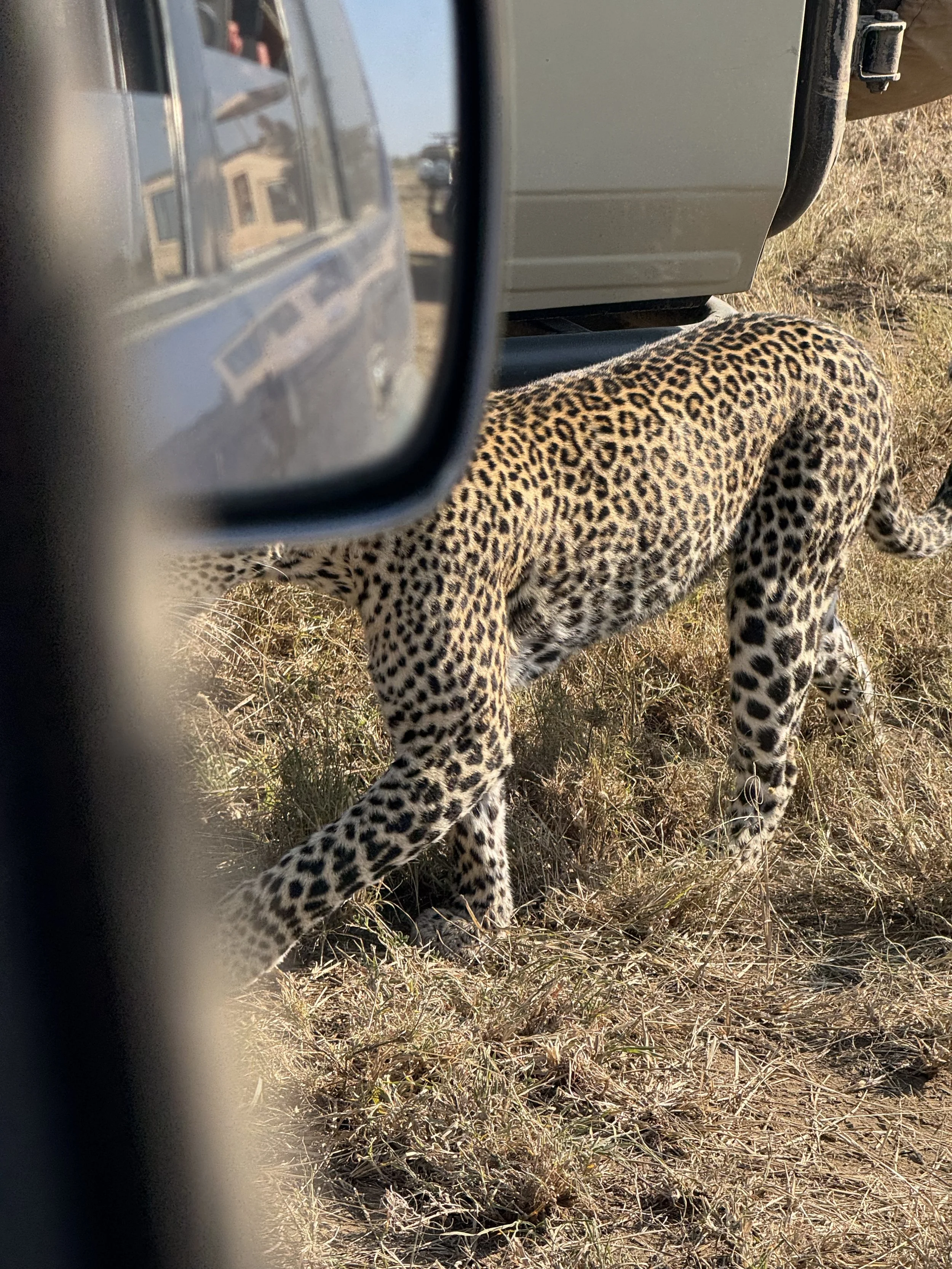
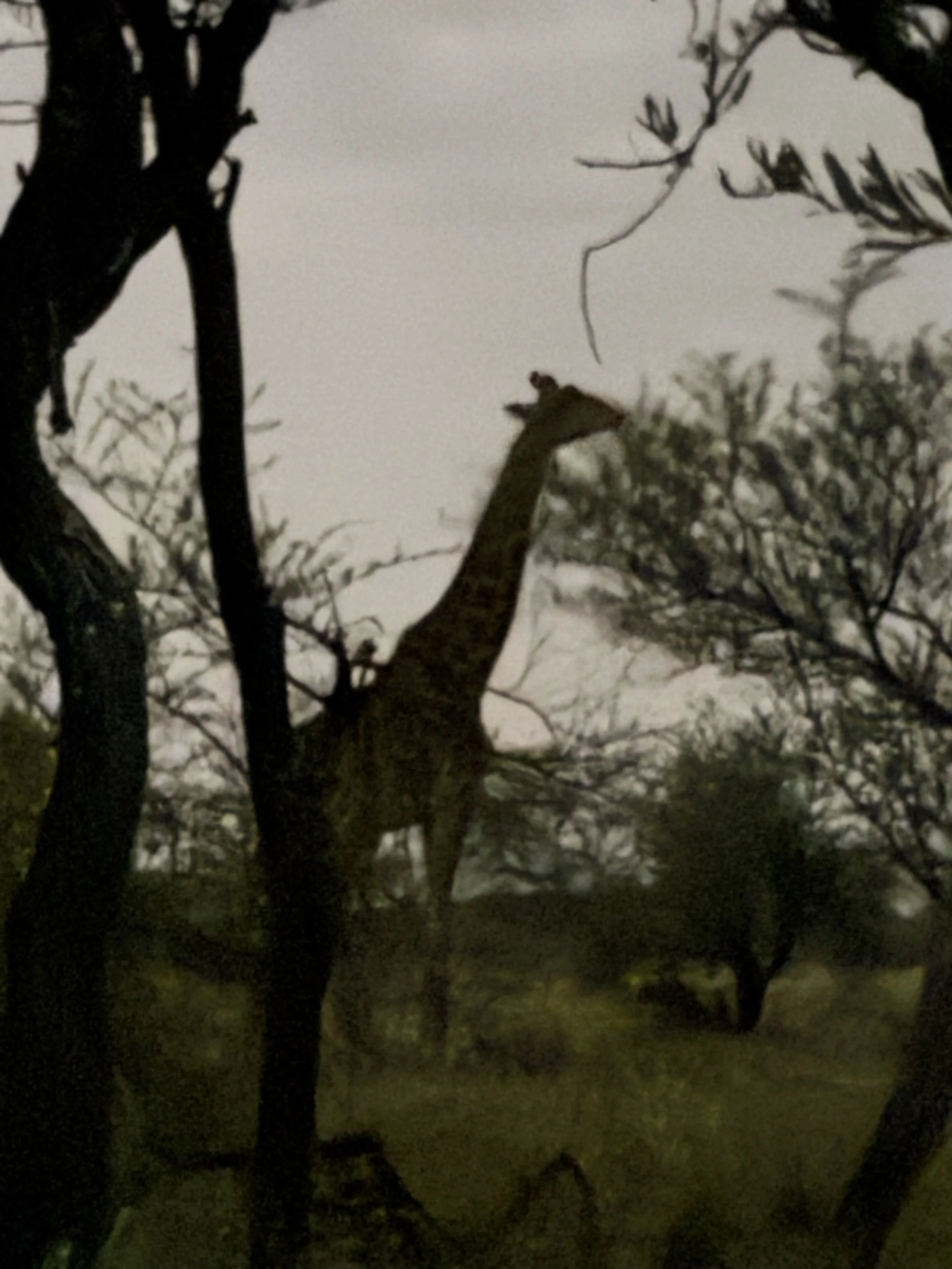
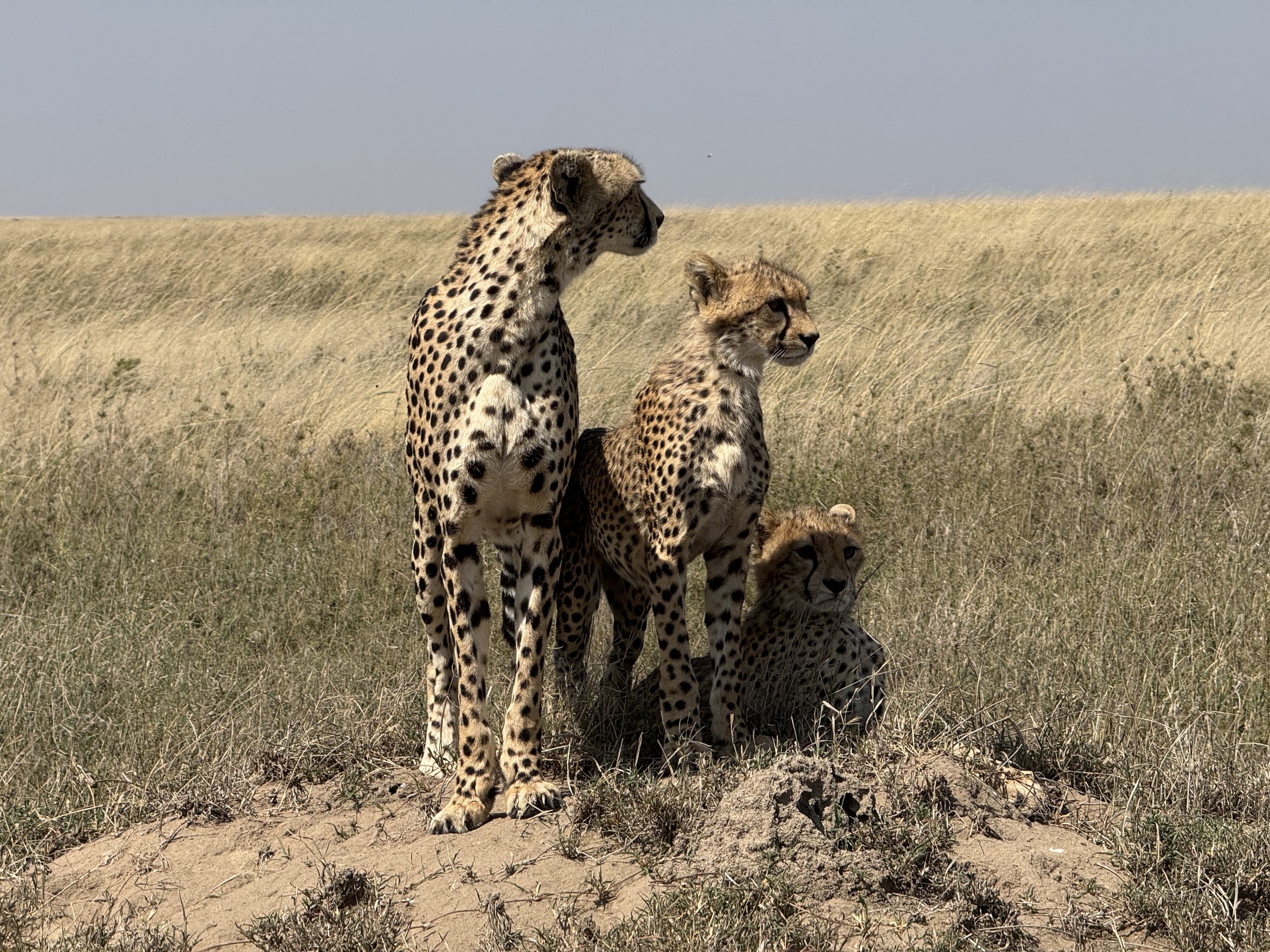
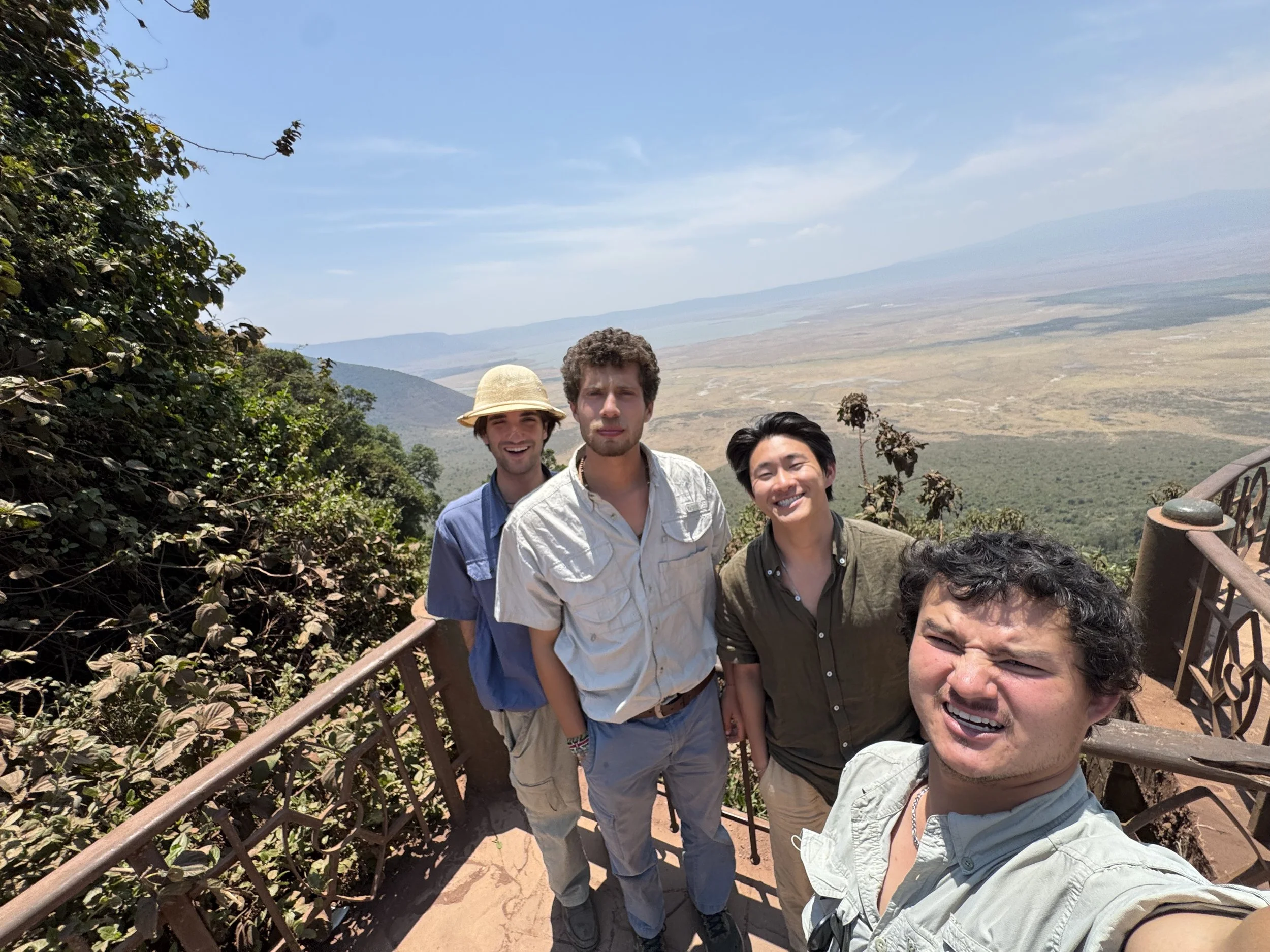
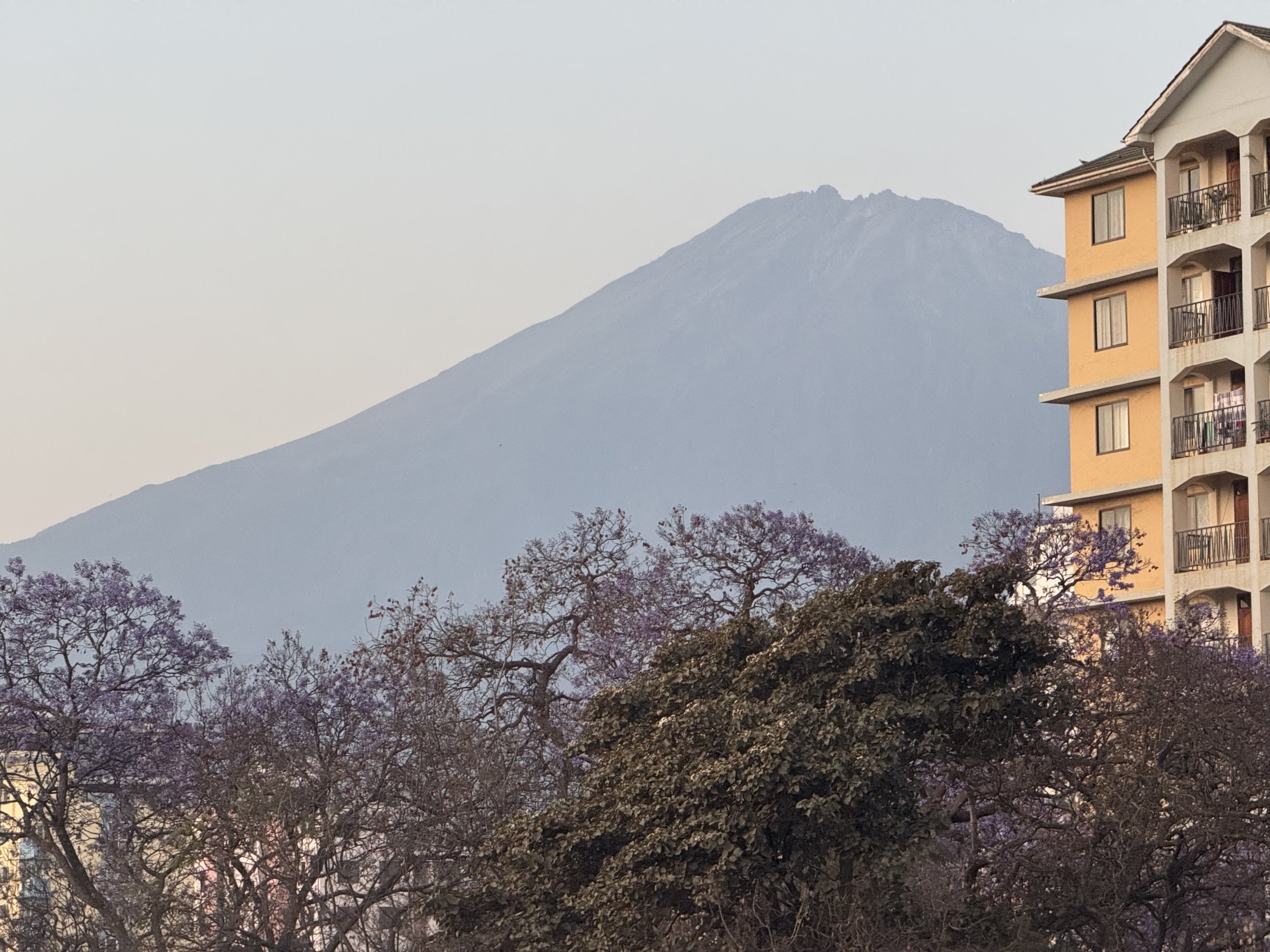
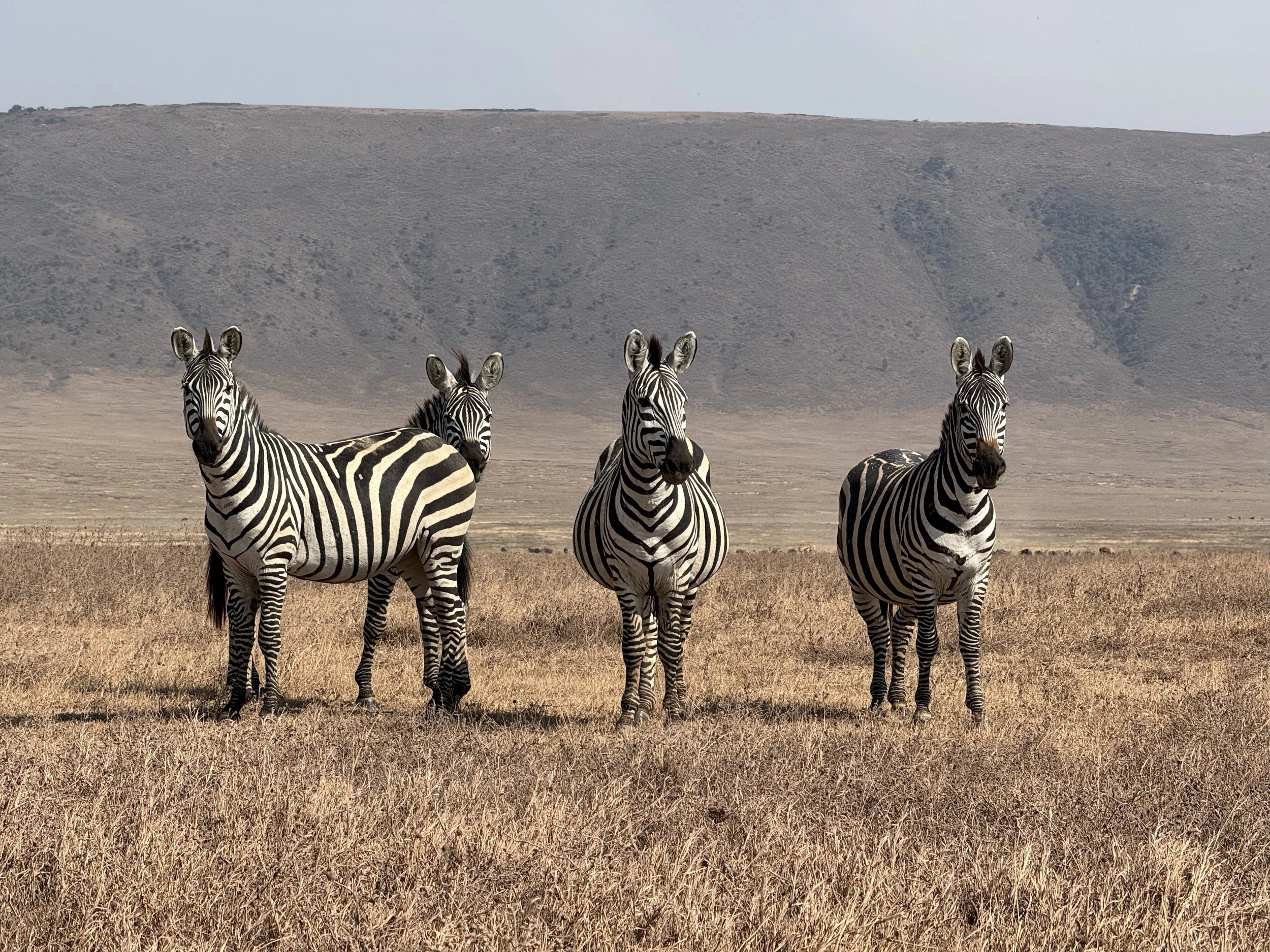
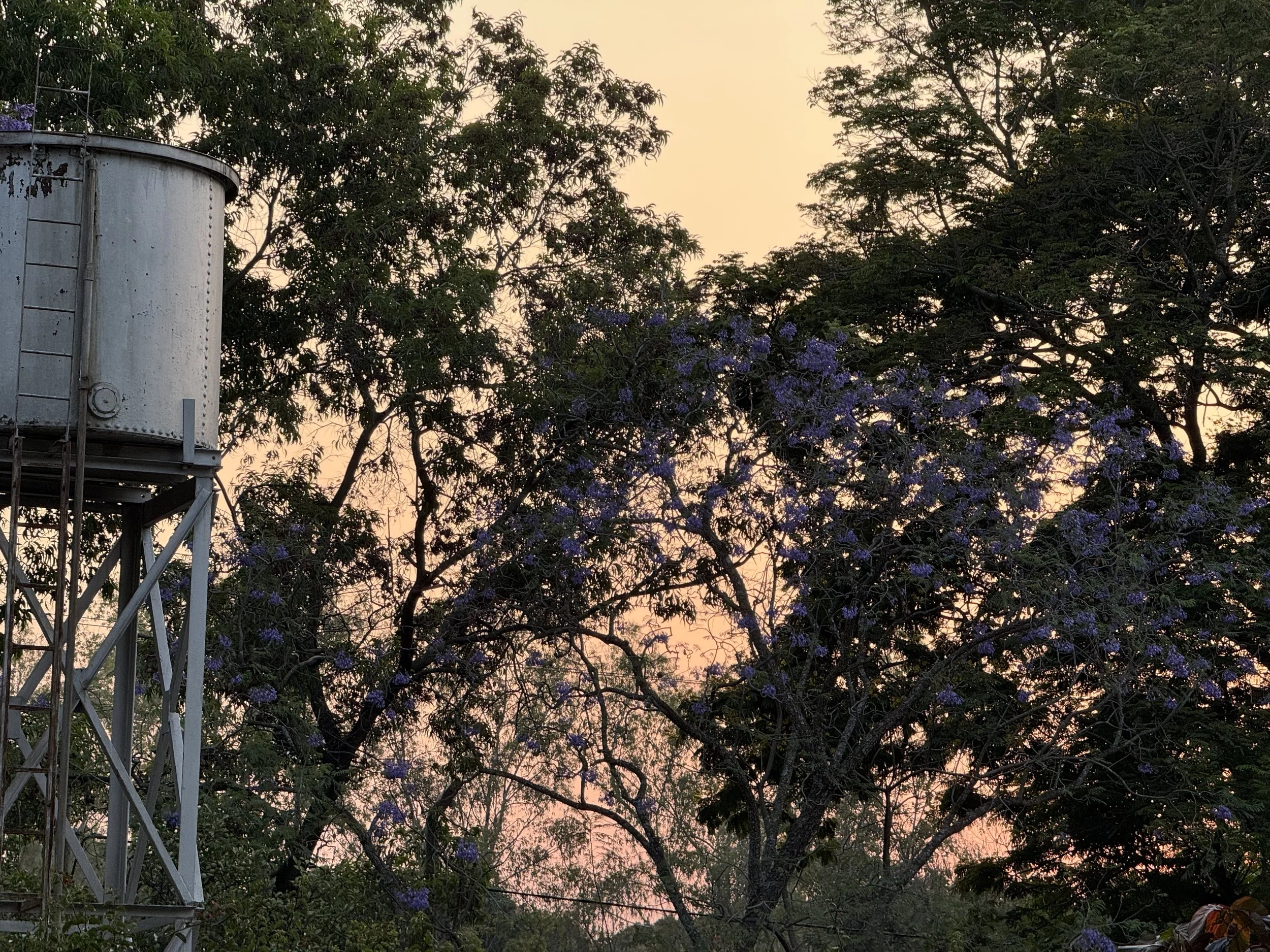
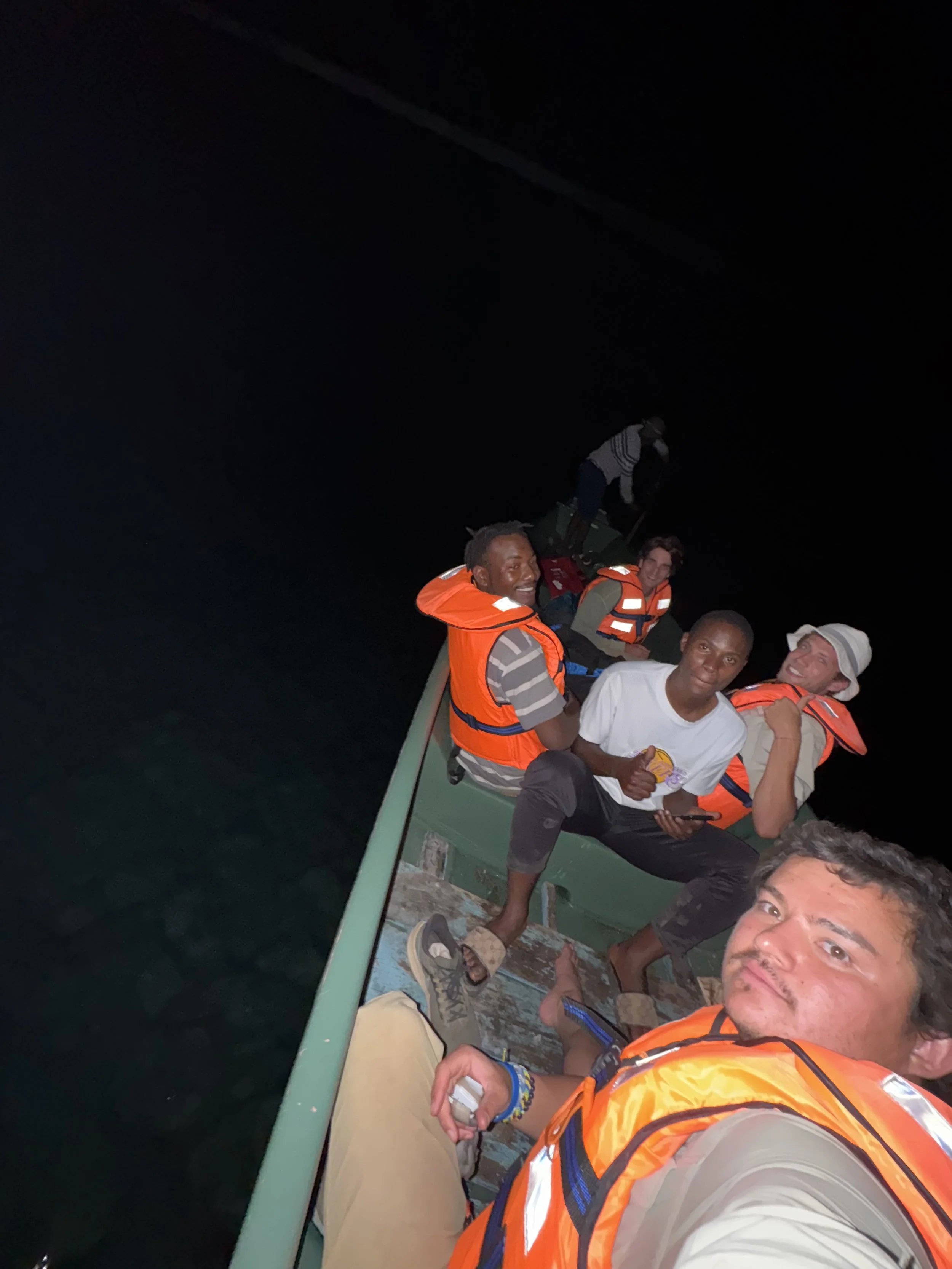
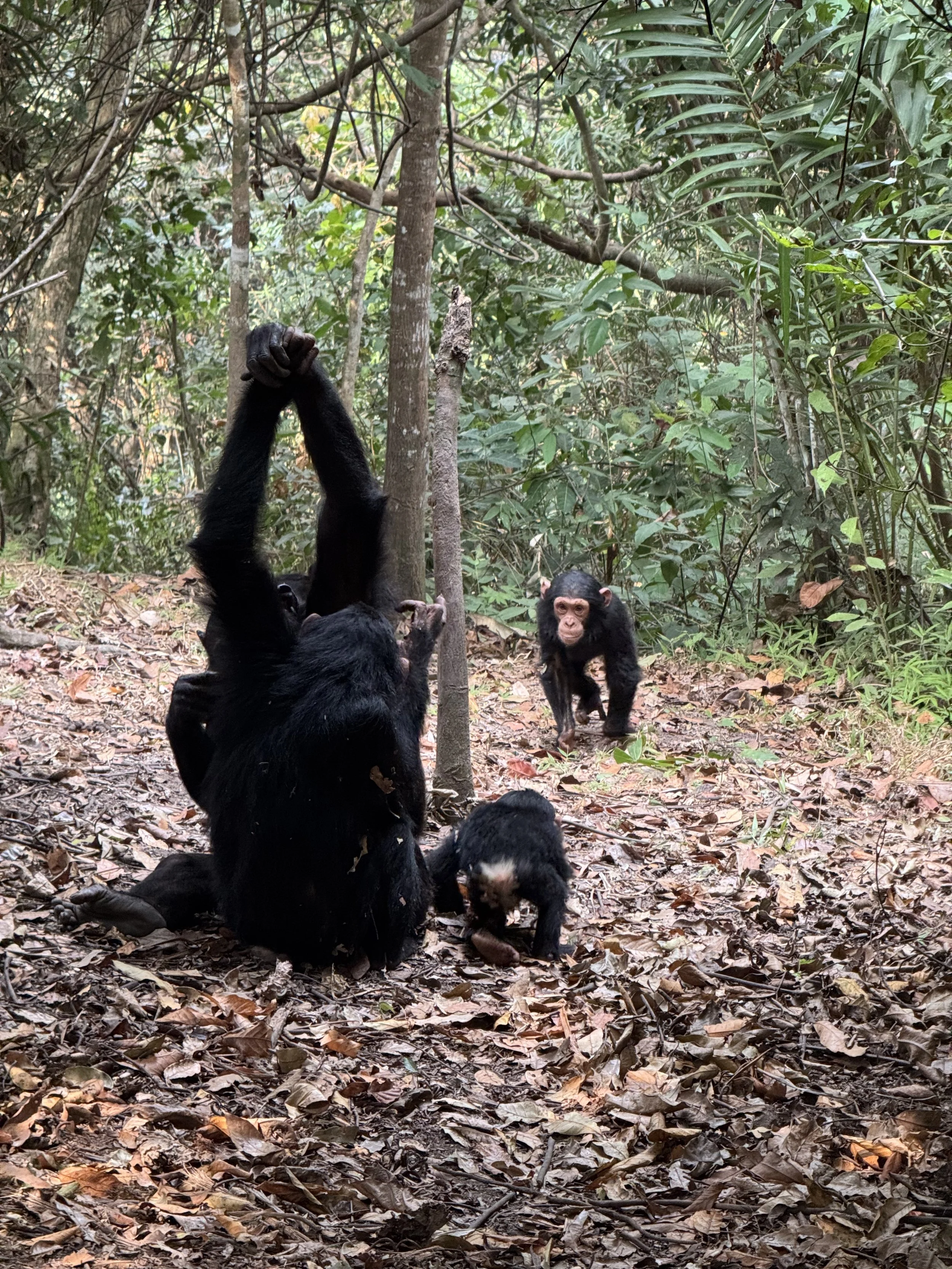
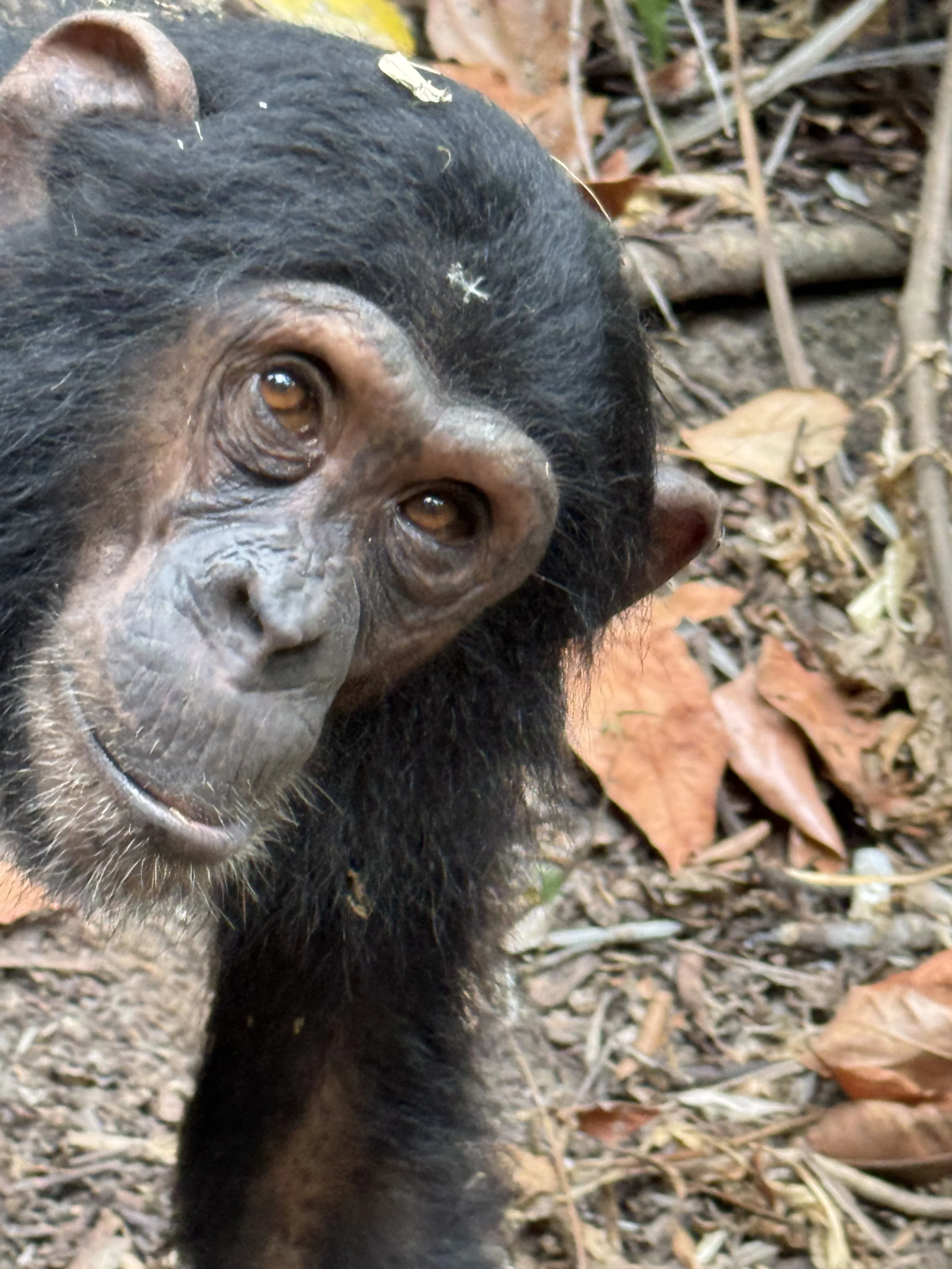
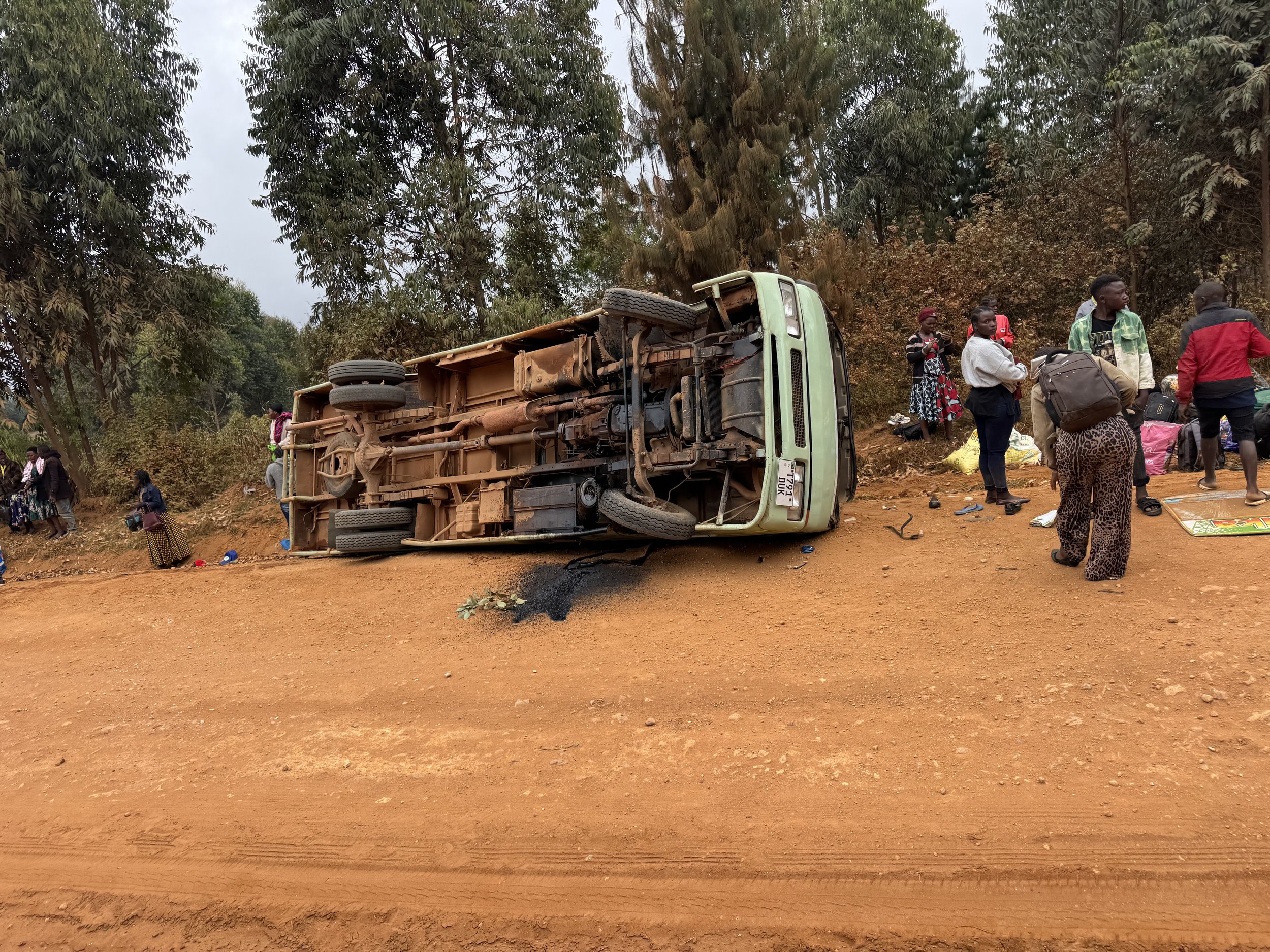
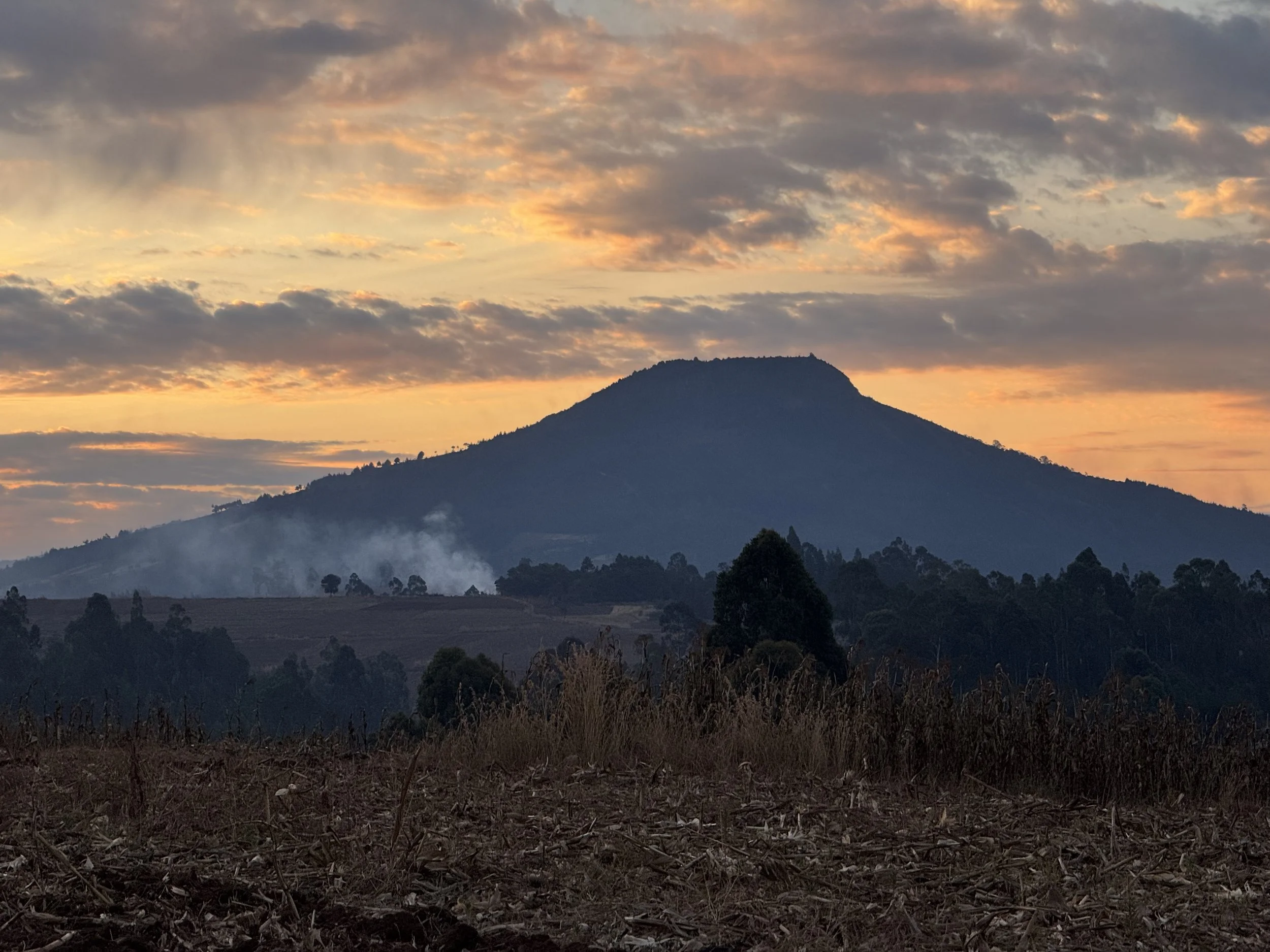
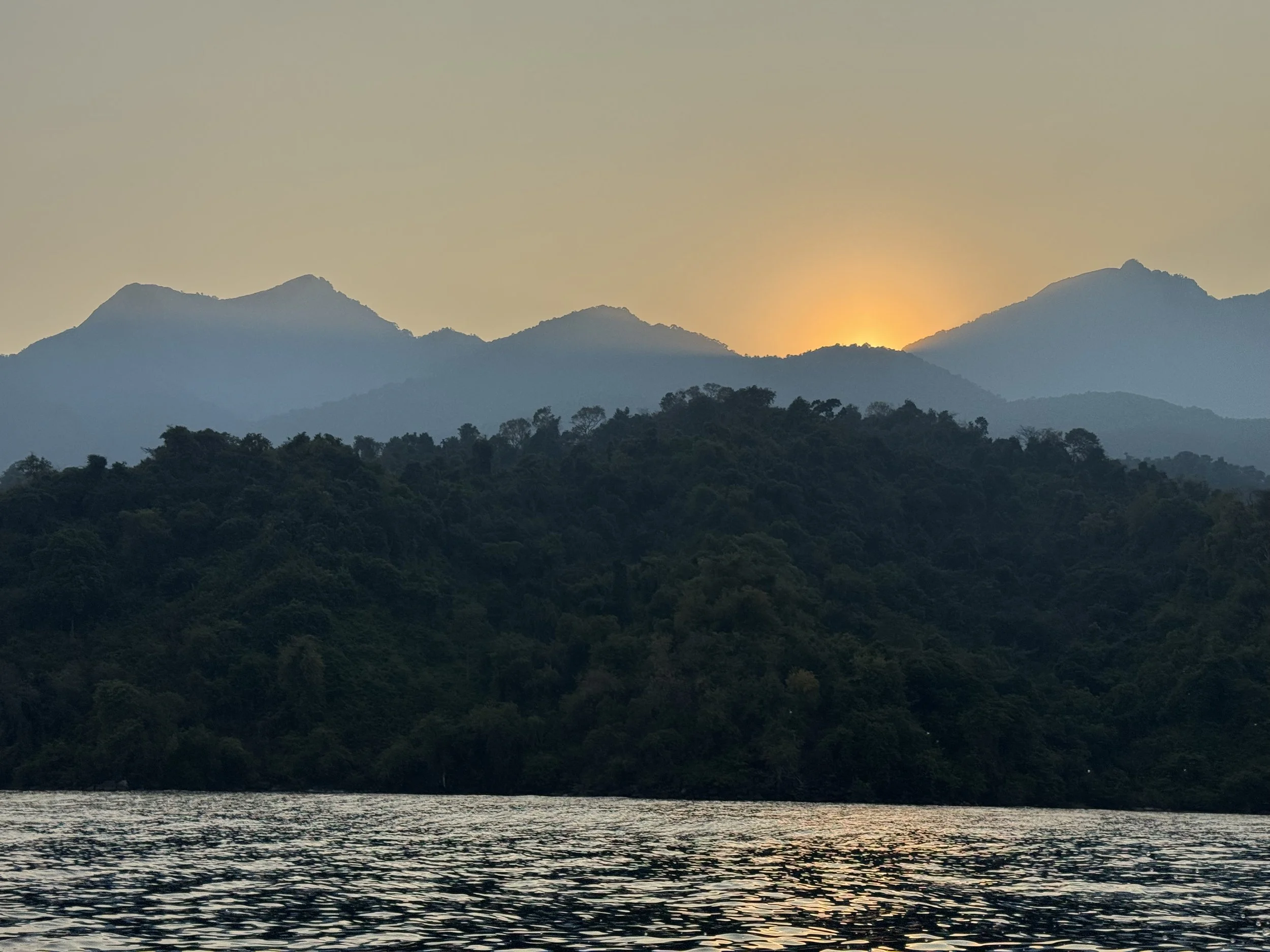
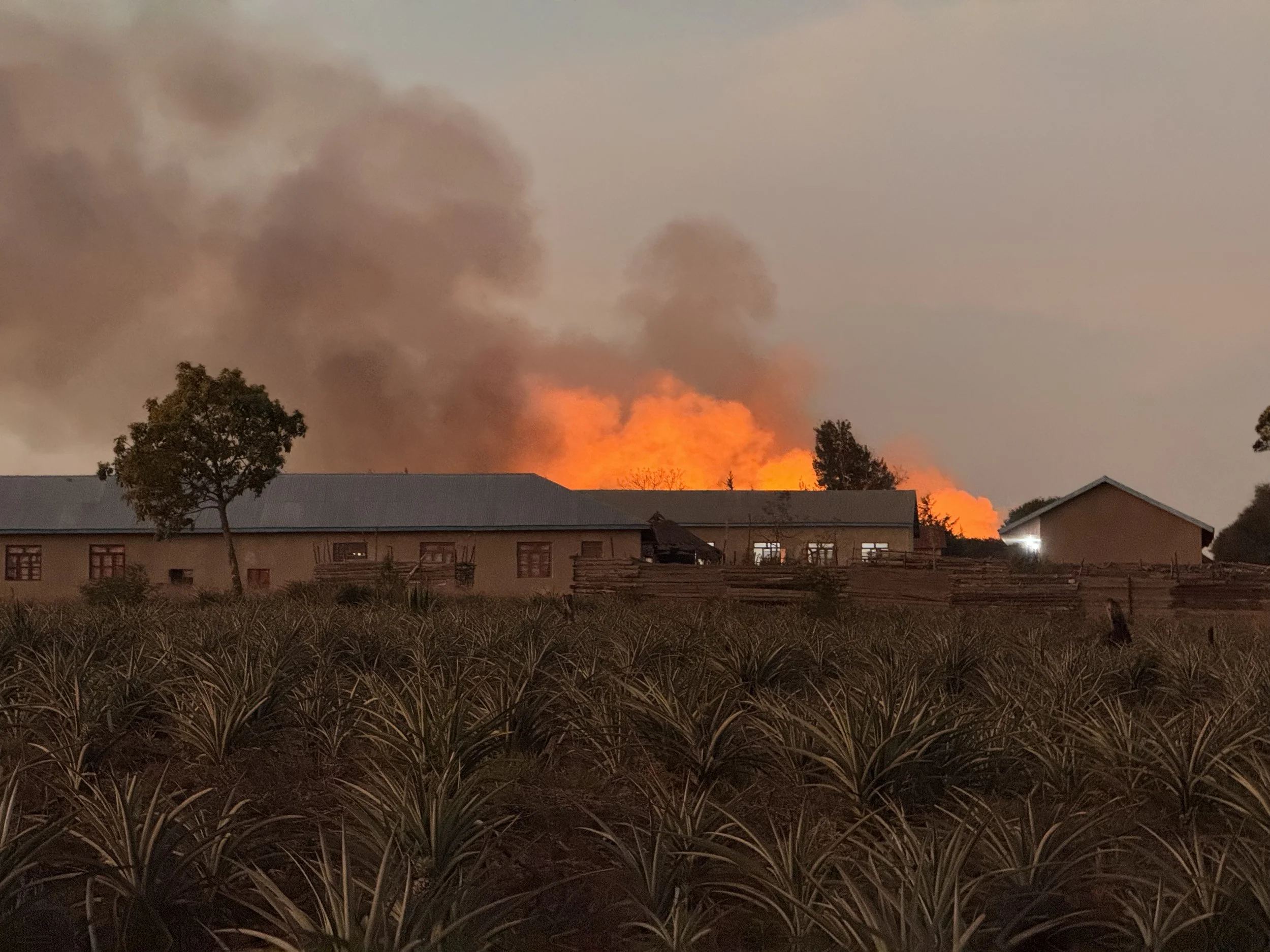
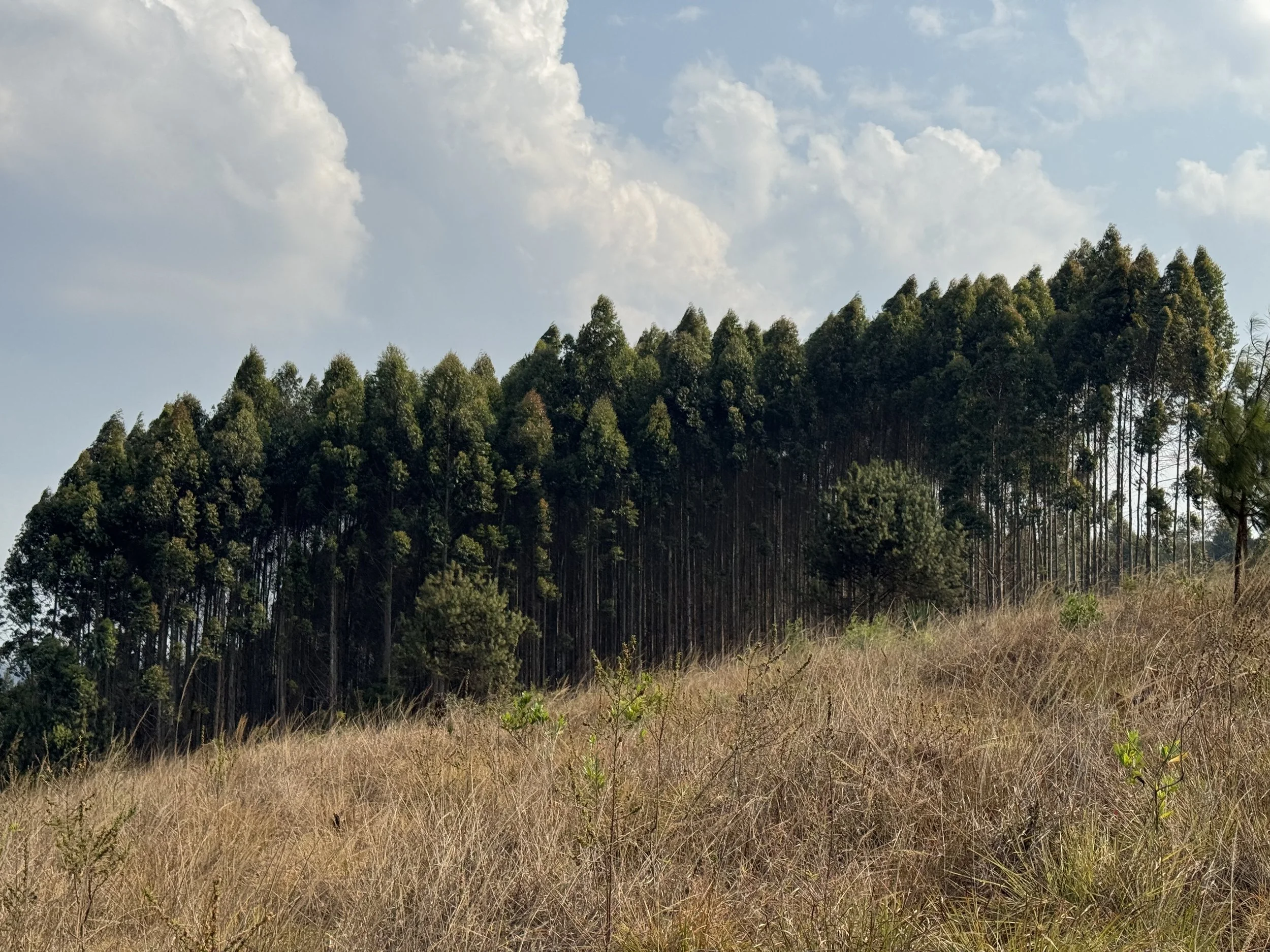
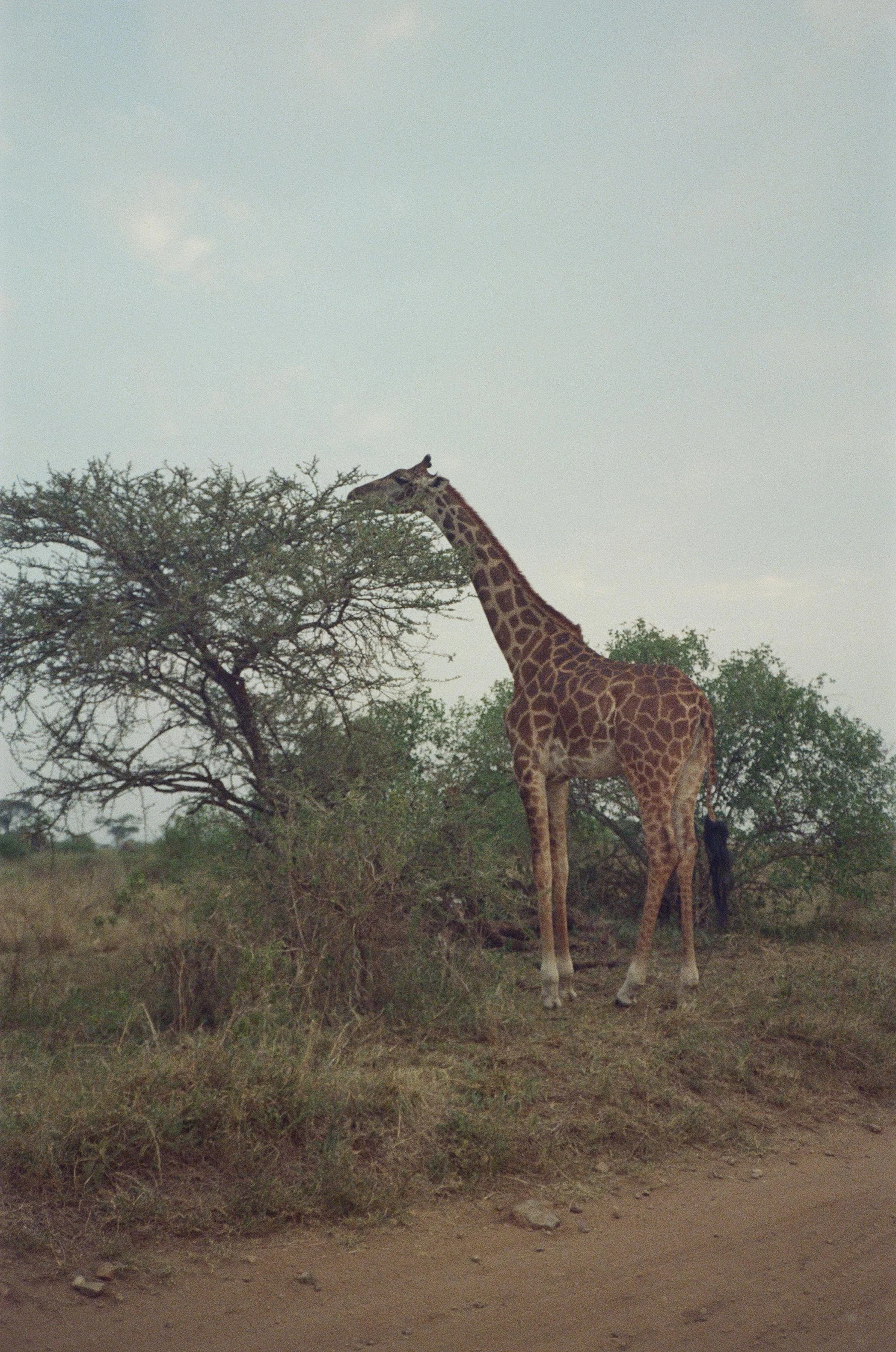
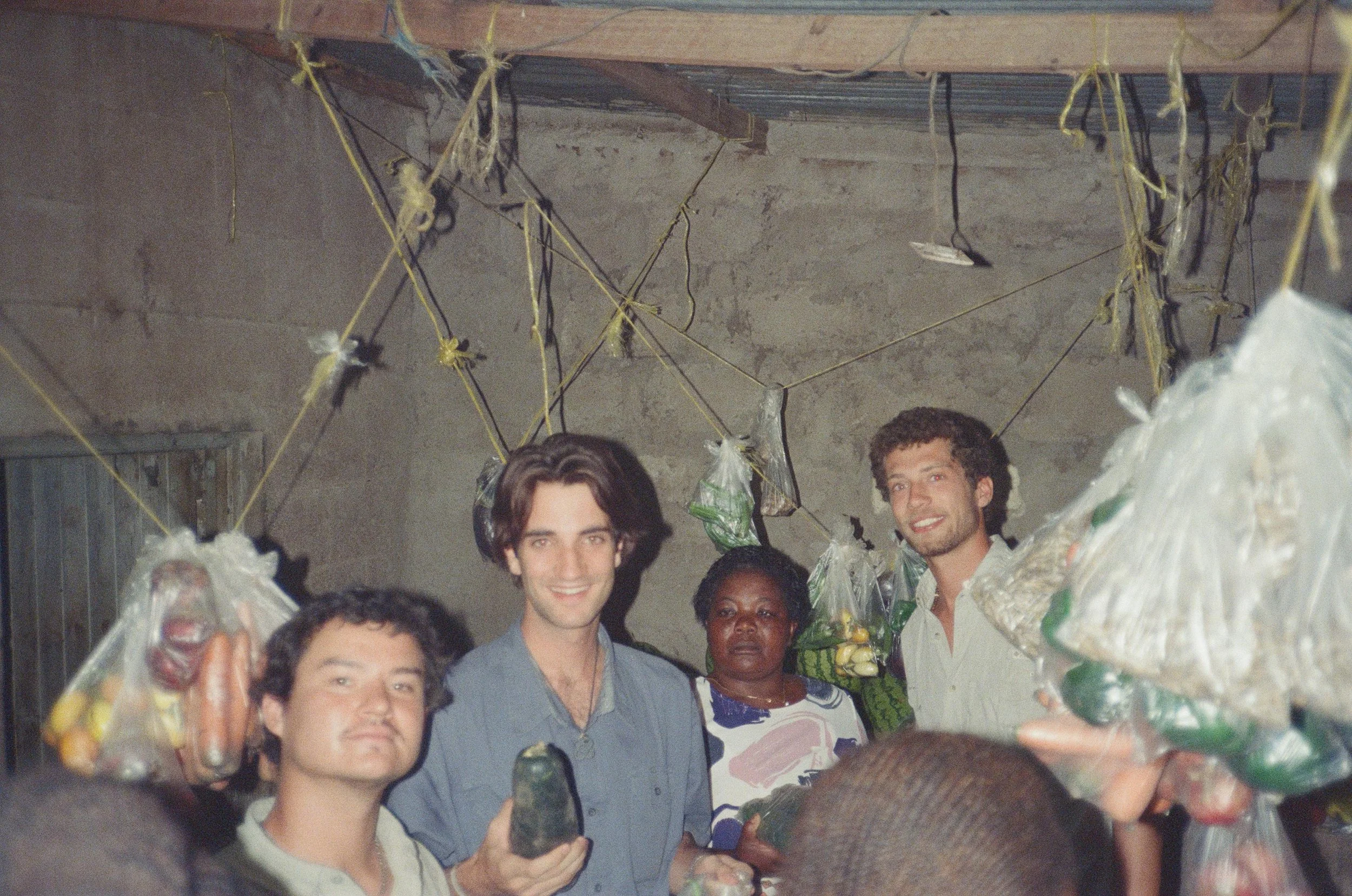
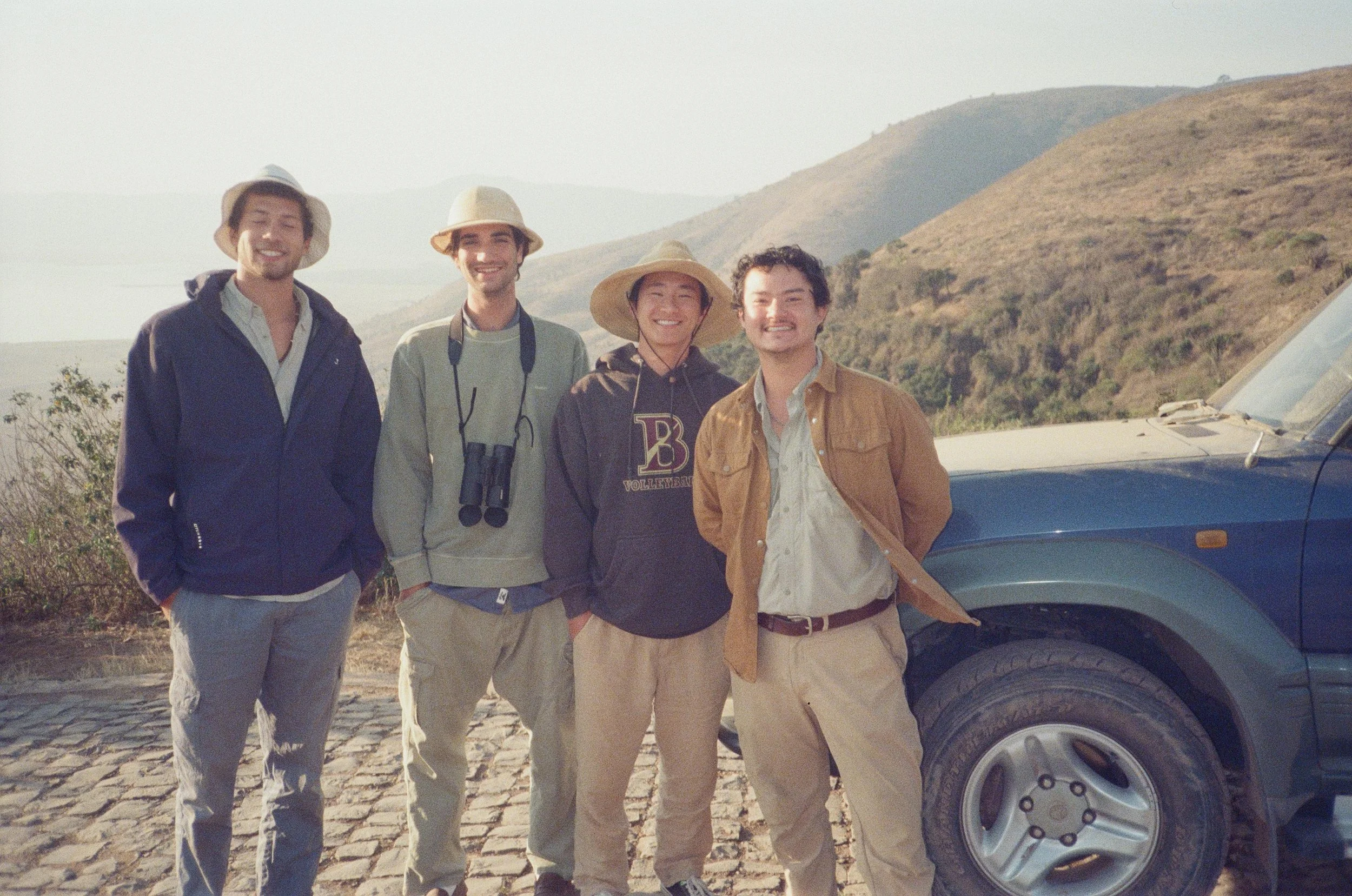
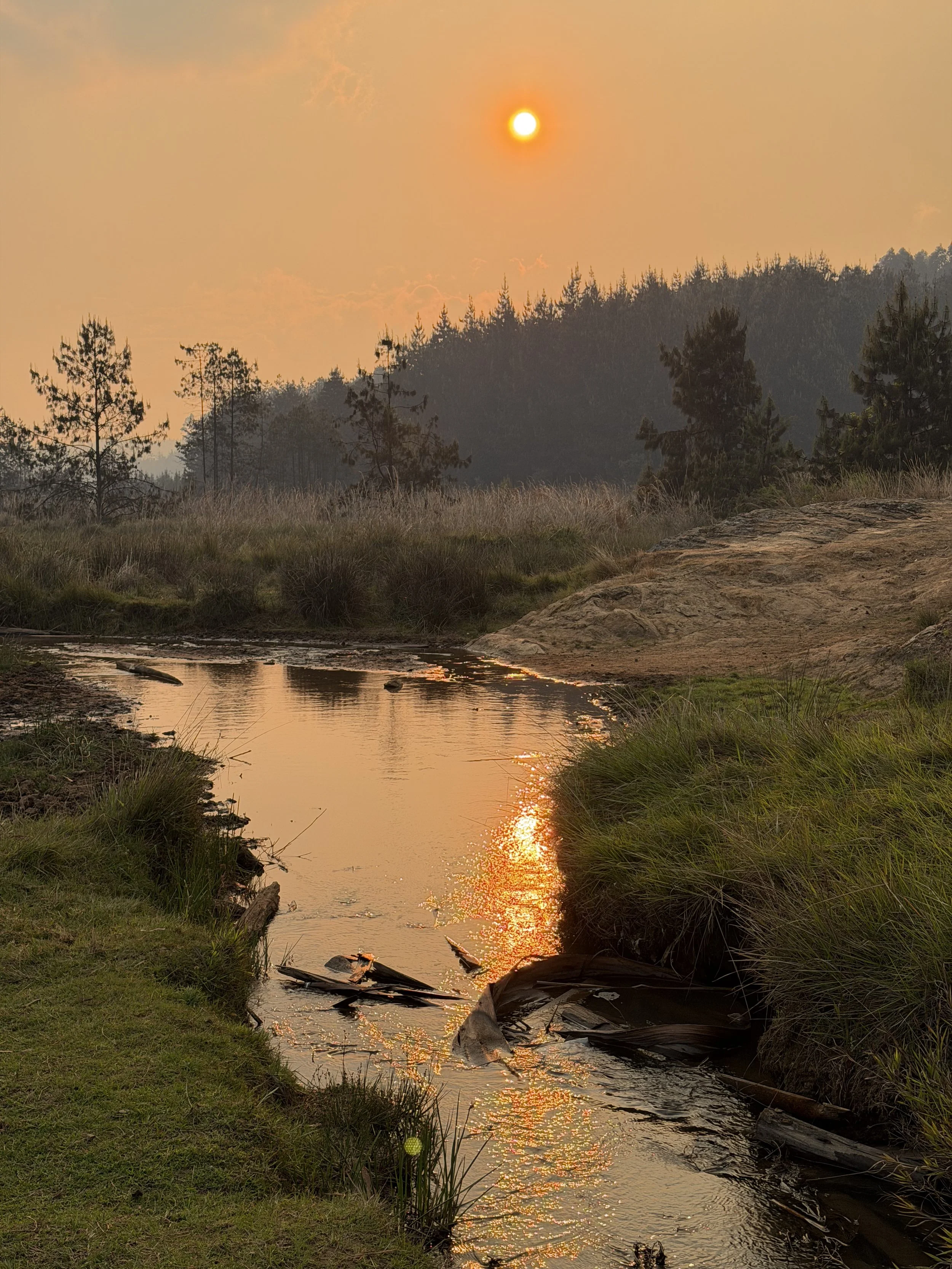
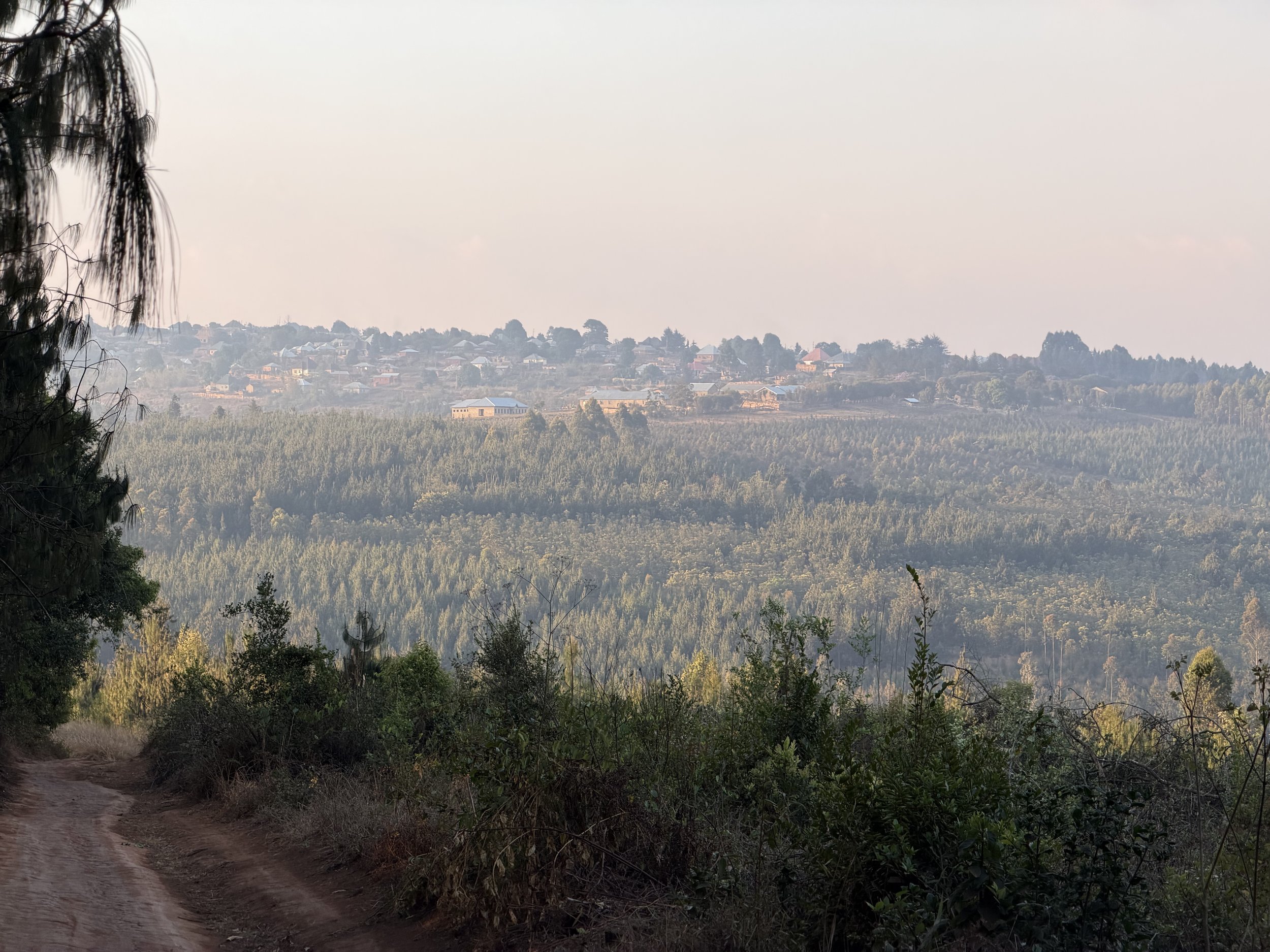
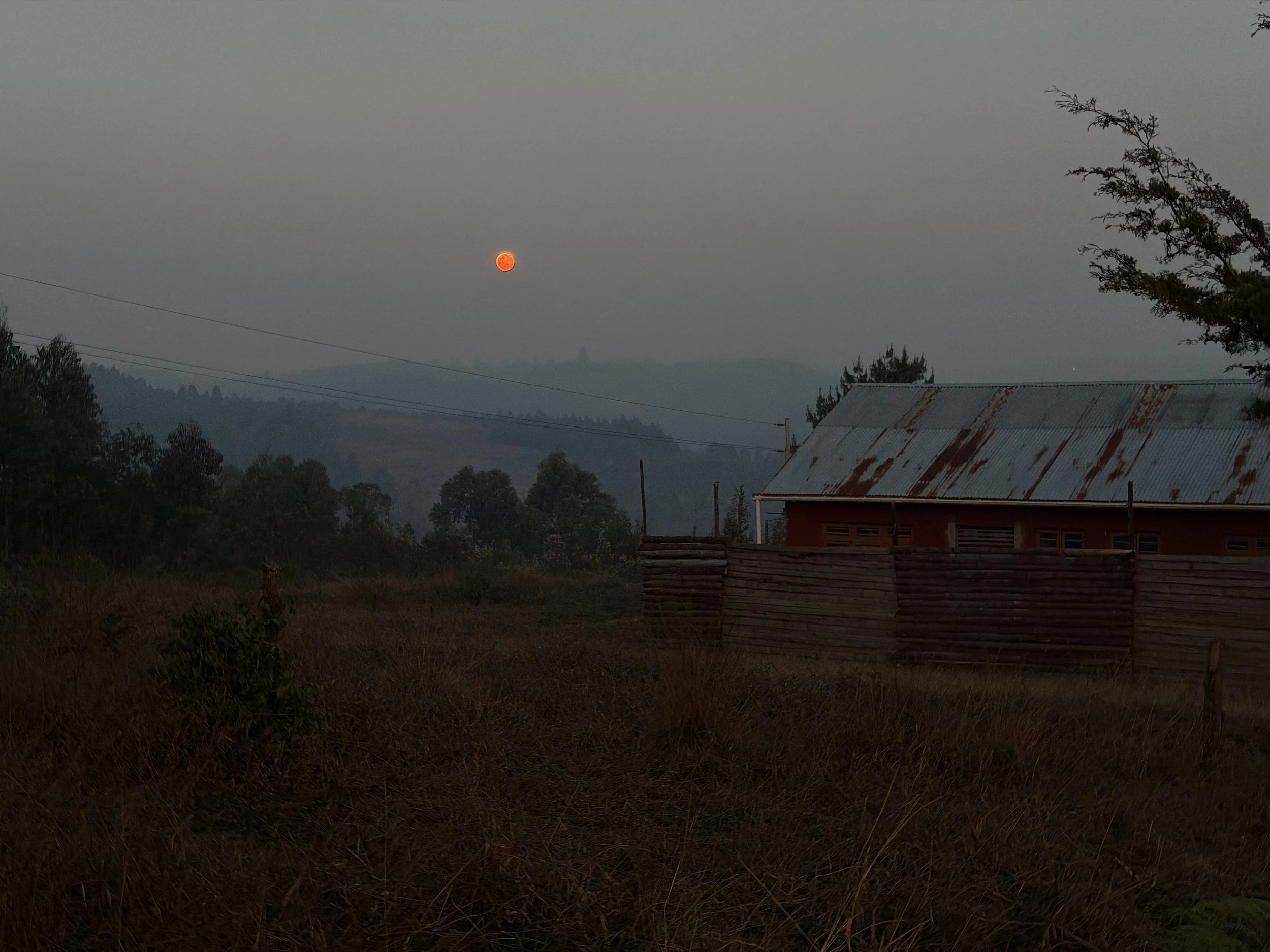
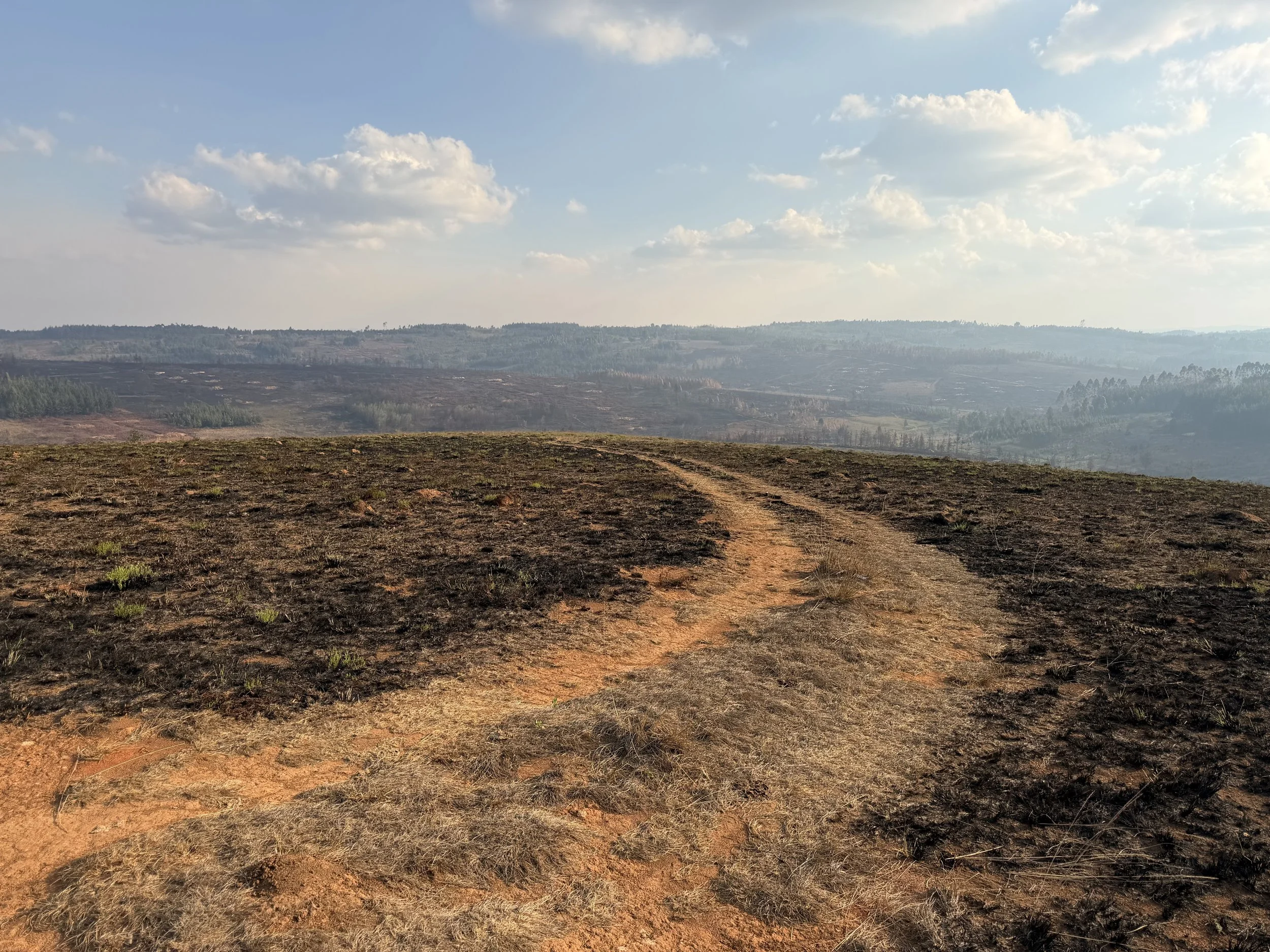
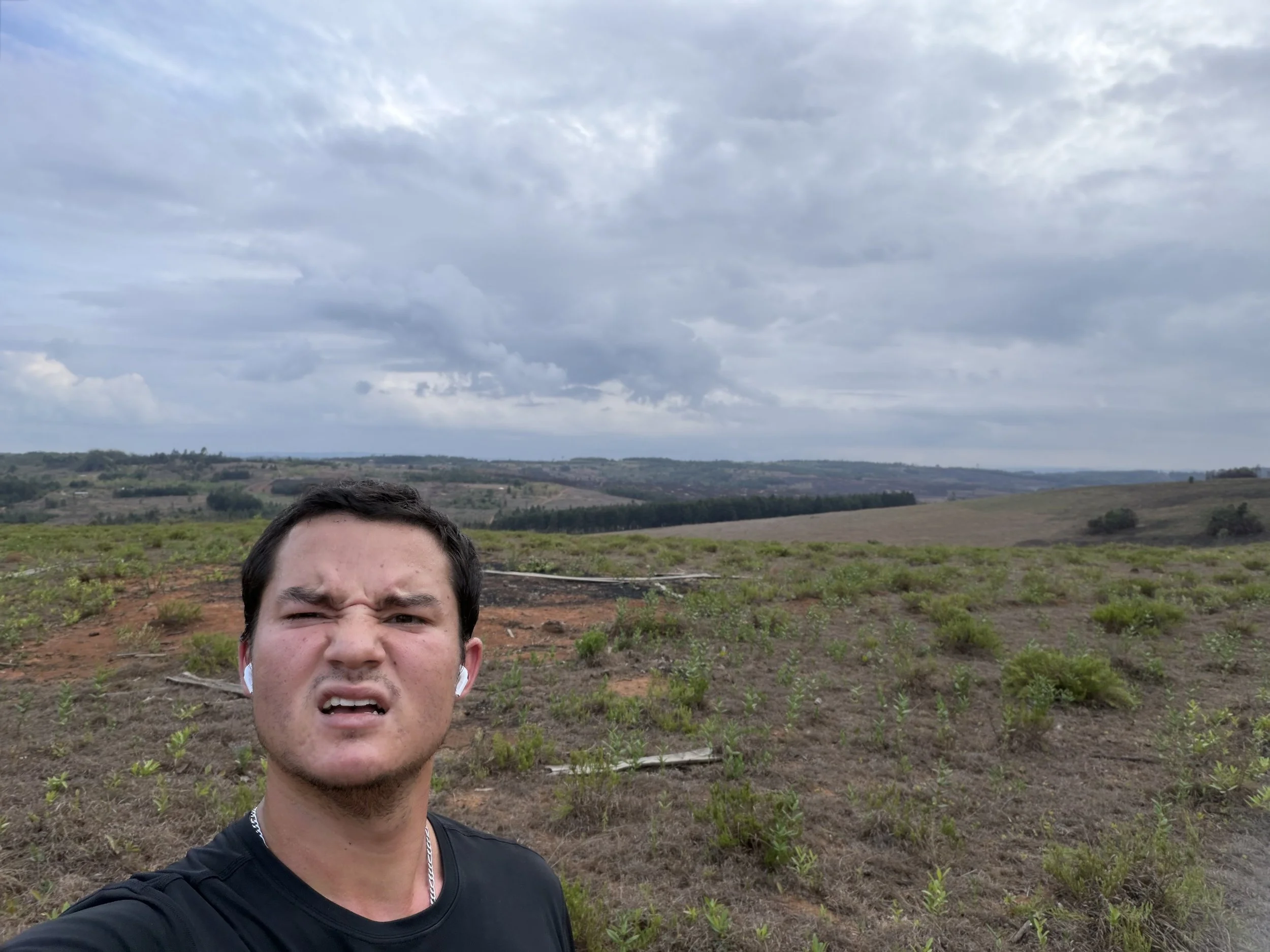
*If viewing on a mobile device, you may need to view in landscape to see photo captions
A quick note before we begin: much of this post was written months ago, around December, and I’ve been returning to it slowly since then. Some parts reflect where I was then, while others reflect where I am now. In other words, if this blog feels like it has been aging in a jar on a shelf somewhere, that’s because it has.
Welcome back to another incredibly humble blog post from your favorite blogger. These past 3 months have been full of fulfilling work, incredible adventure, and patient self-reflection. On top of all that, I just passed my one-year milestone of living in Tanzania! This caps off one of the most eventful and meaningful years in my life so far, and I wouldn’t have been able to do it without you, dear reader. “But esteemed brother Ryan, how could I have aided you during this period of self-imposed exodus with so little contact,” I hear the thoughts of my most faithful of readers ripple through the still waters of digital cyberspace. To this, I respond: you have aided me by caring. I know this because despite my best efforts to make my blog as interesting and entertaining as possible, I know that the only reason you would be here reading this is if you truly care about how and what I am doing. And it is for that care that I am ever grateful and that I do not take for granted. Let’s dive into what’s going on in Tanzania.
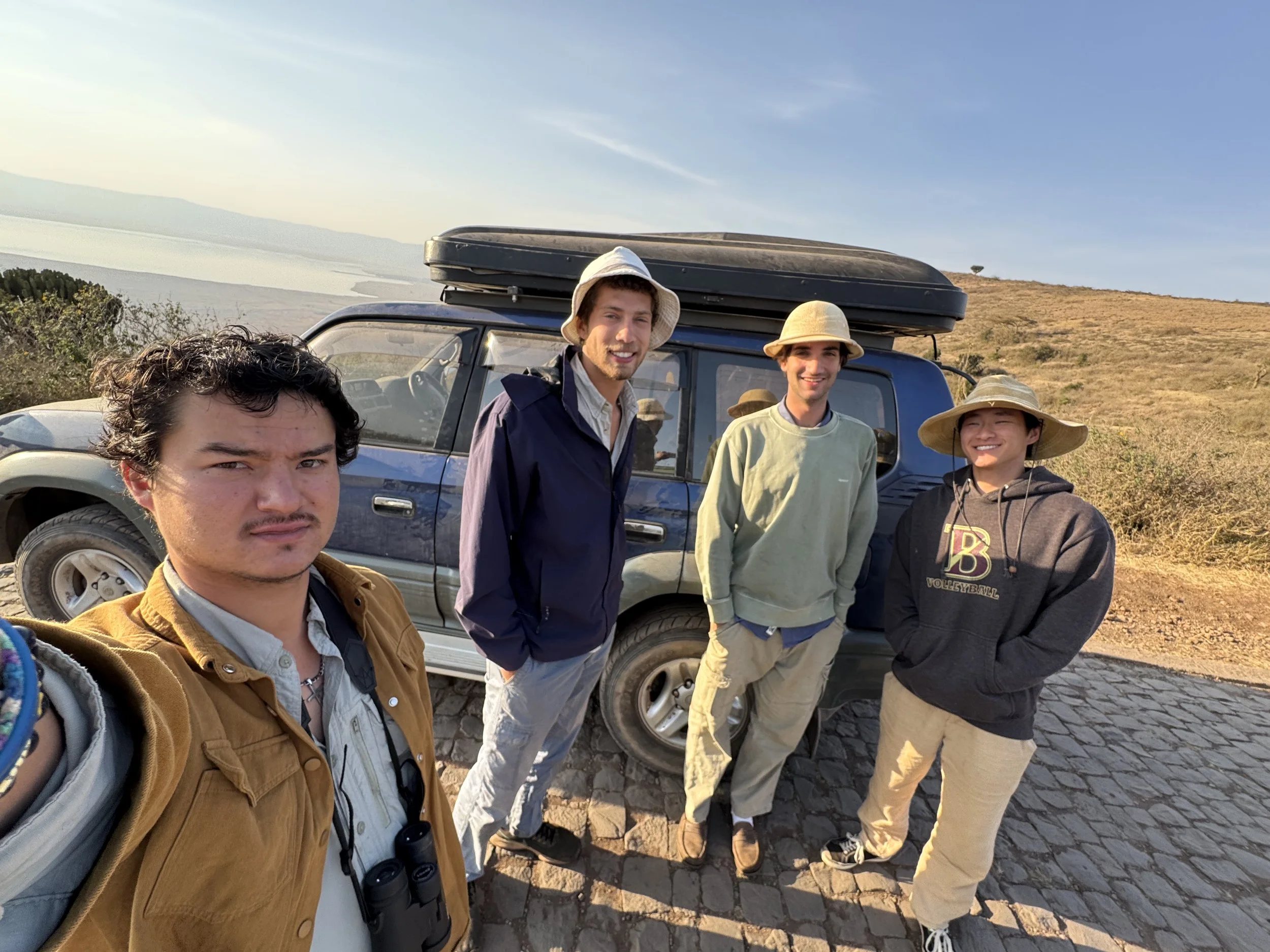
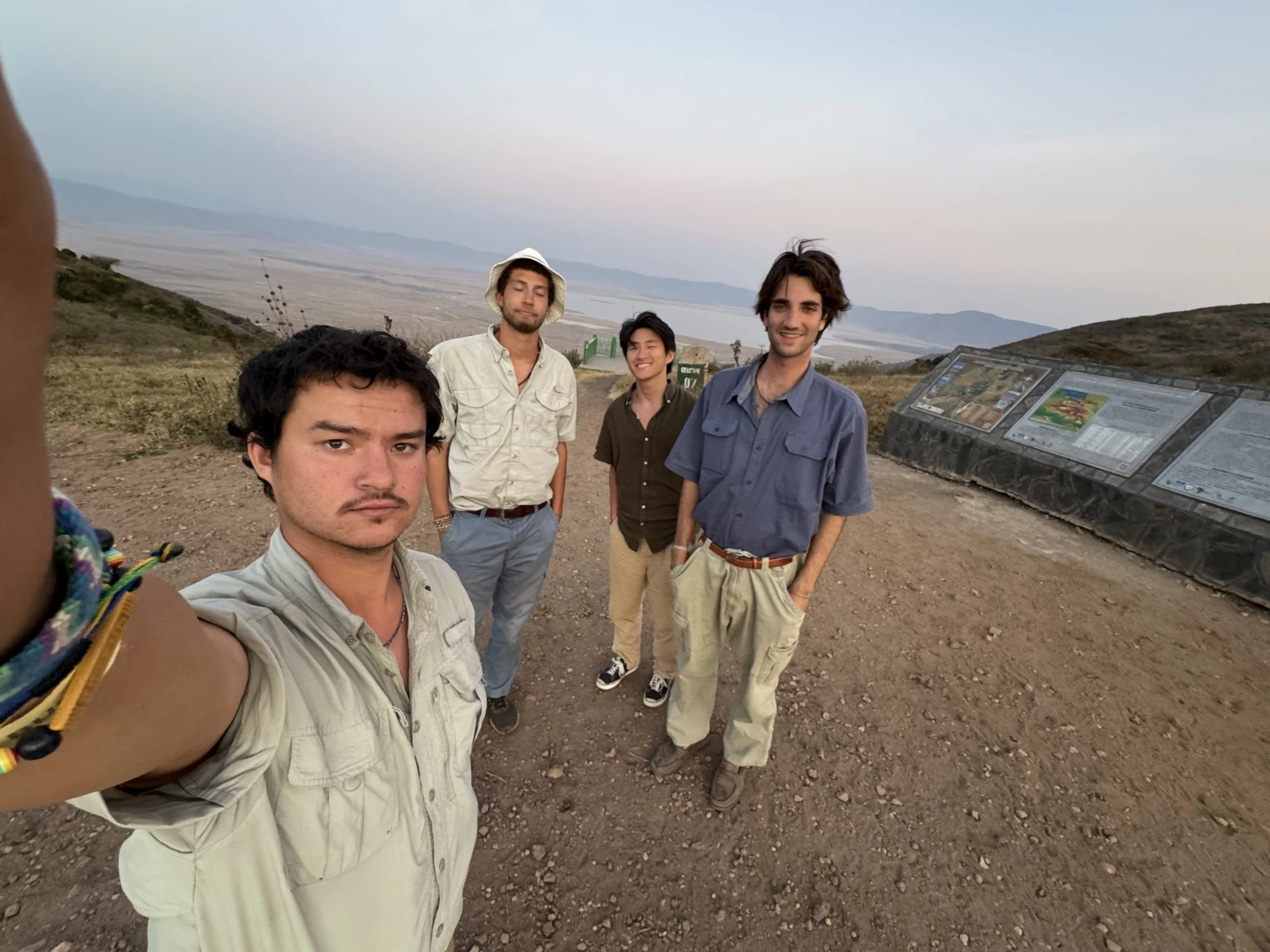
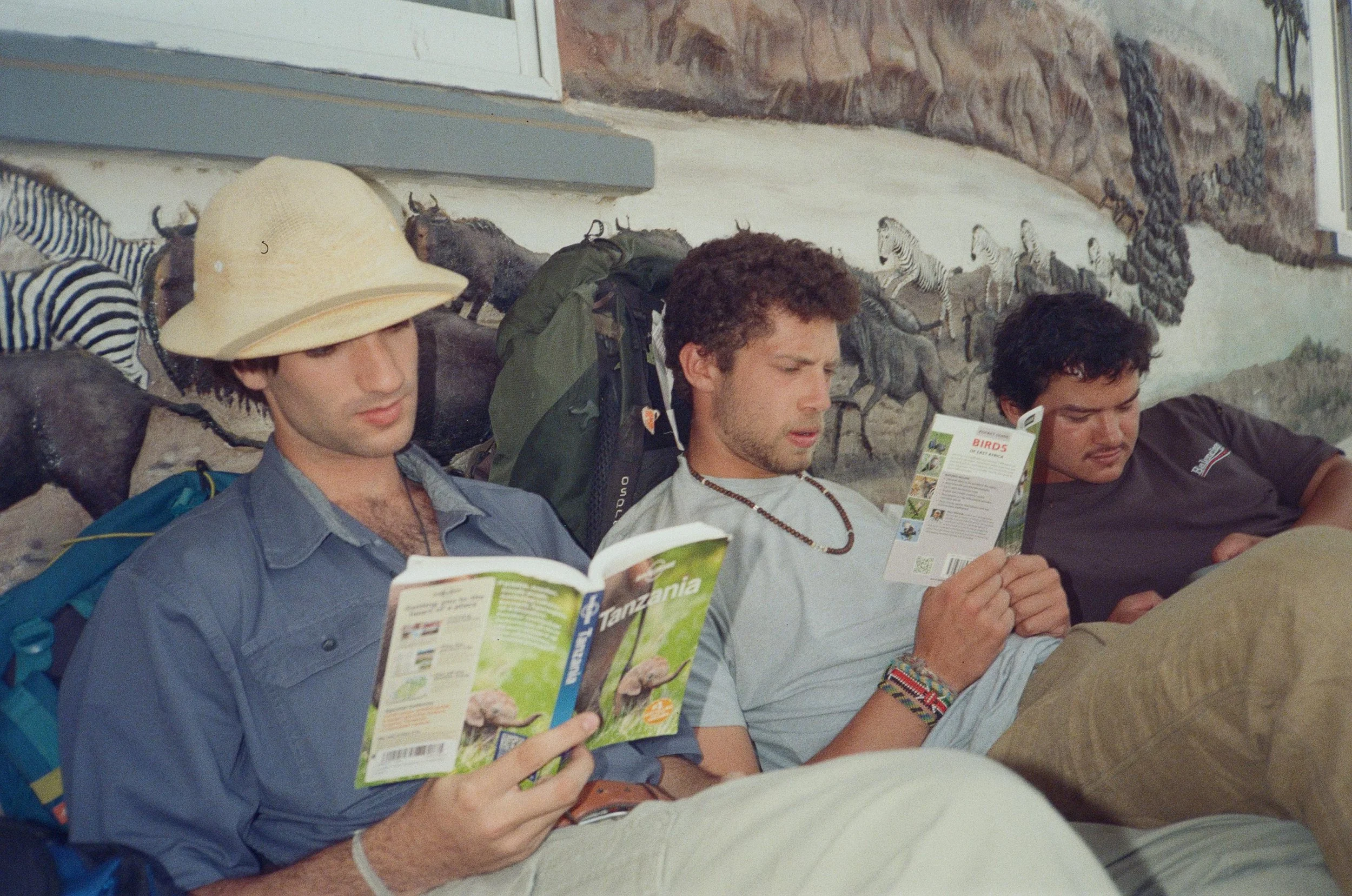
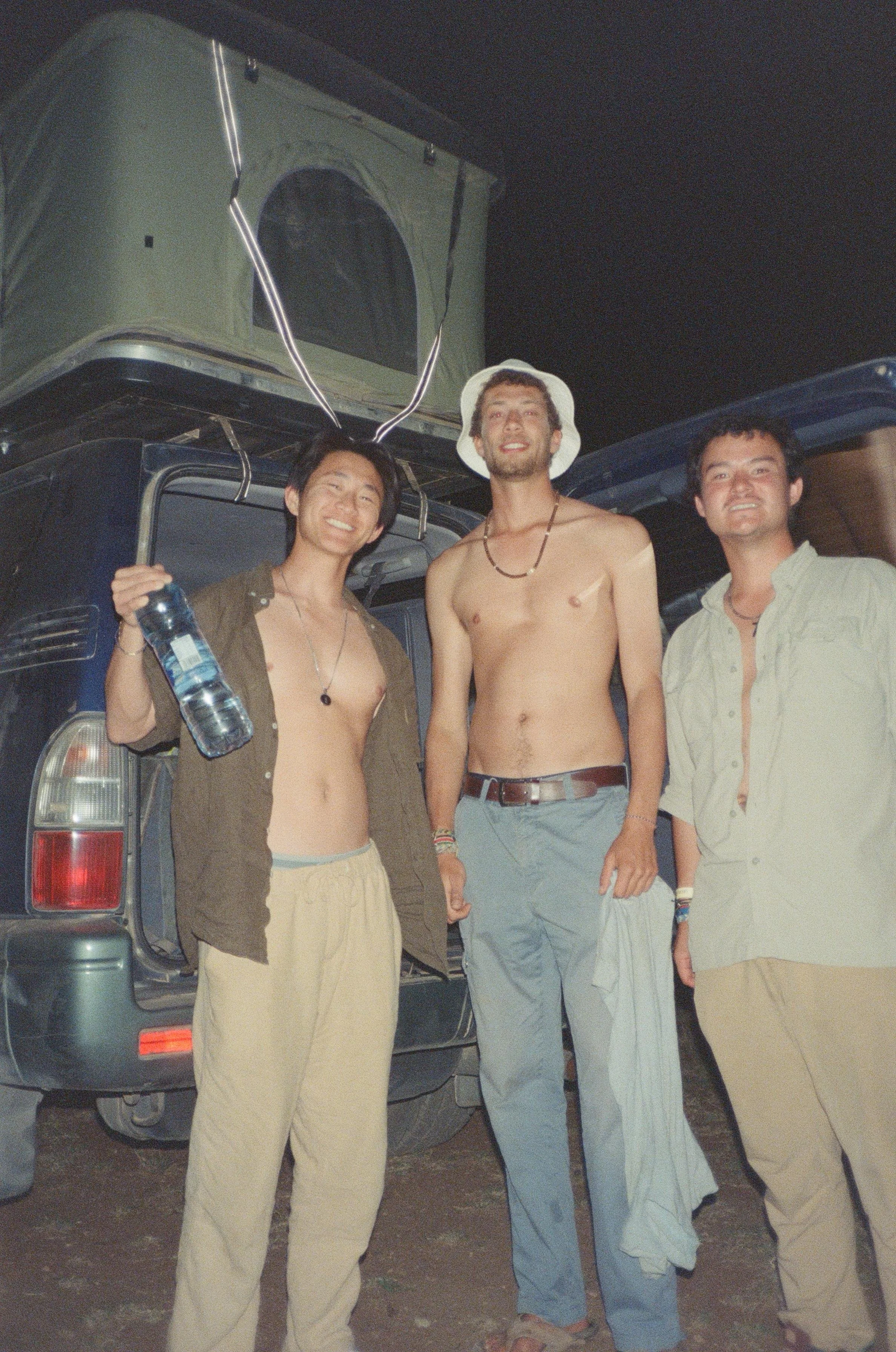
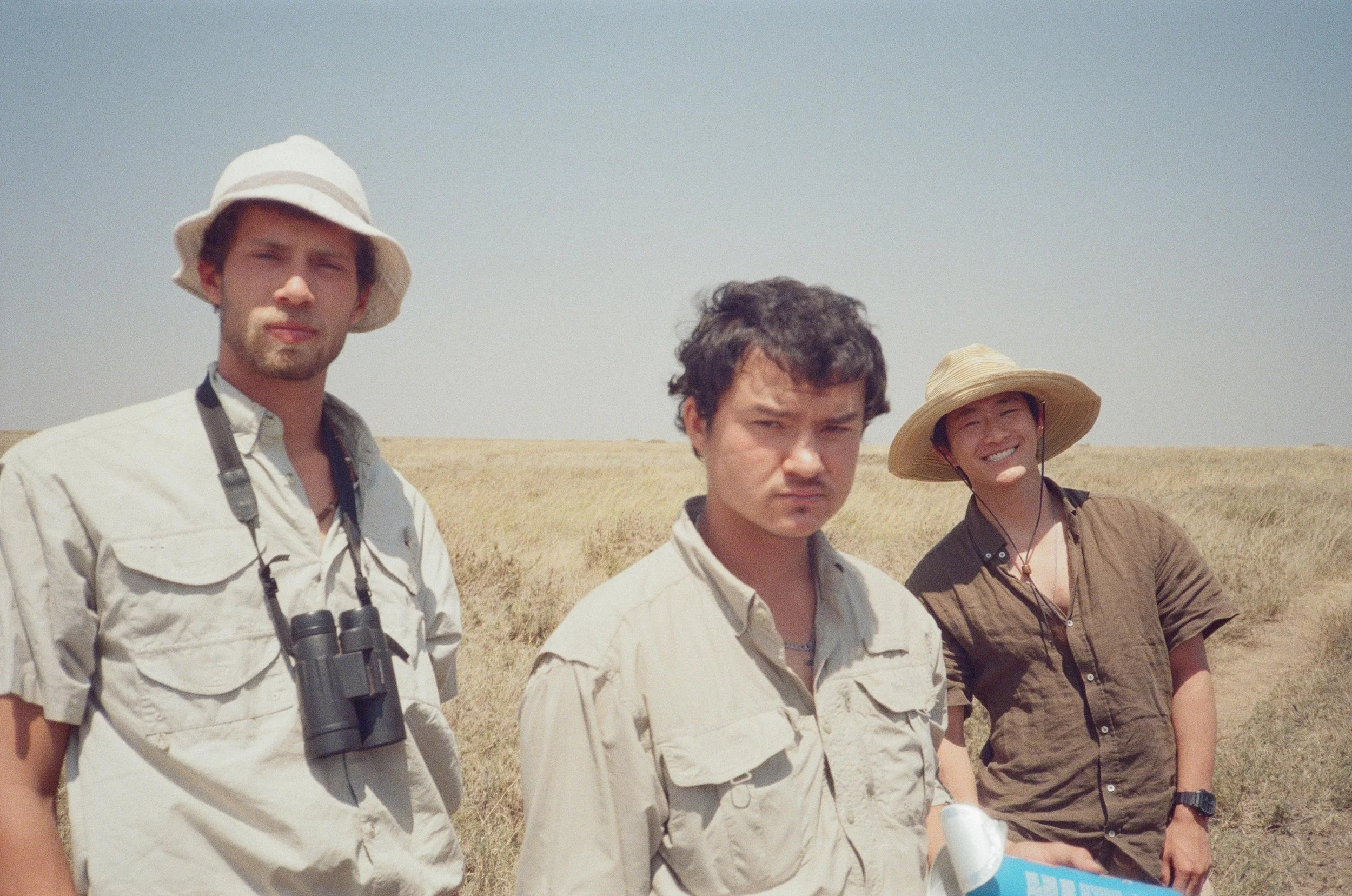
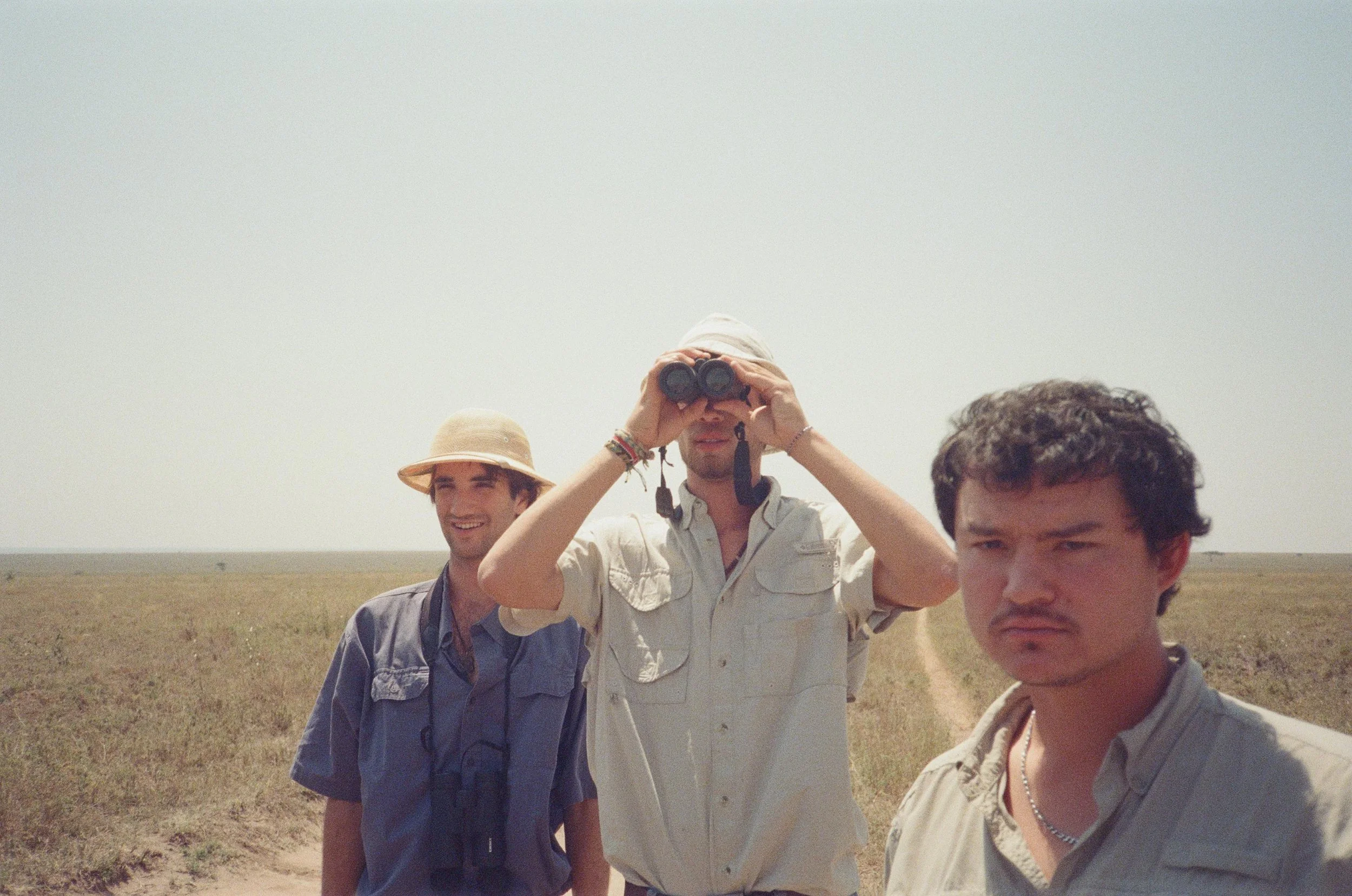
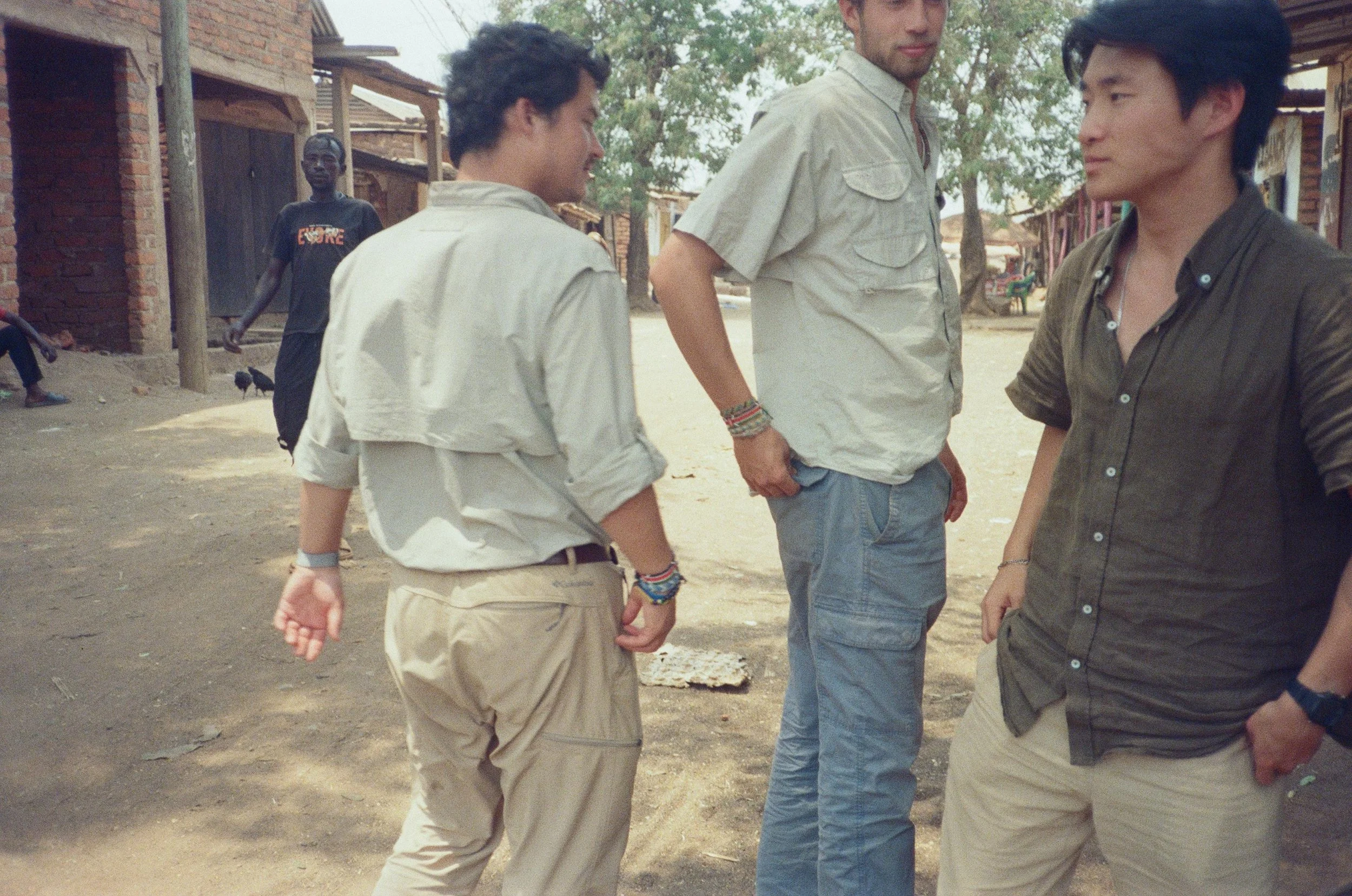
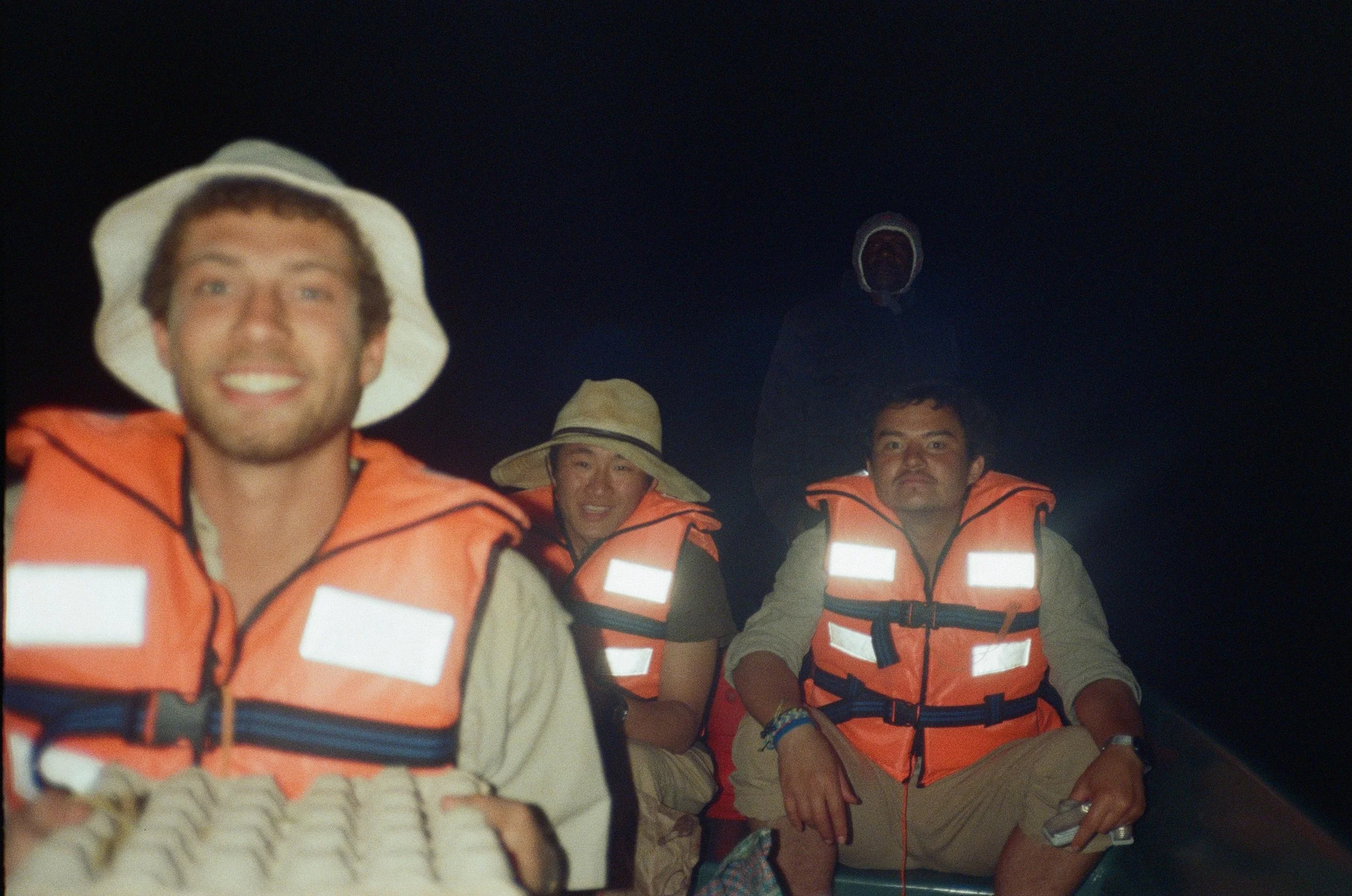
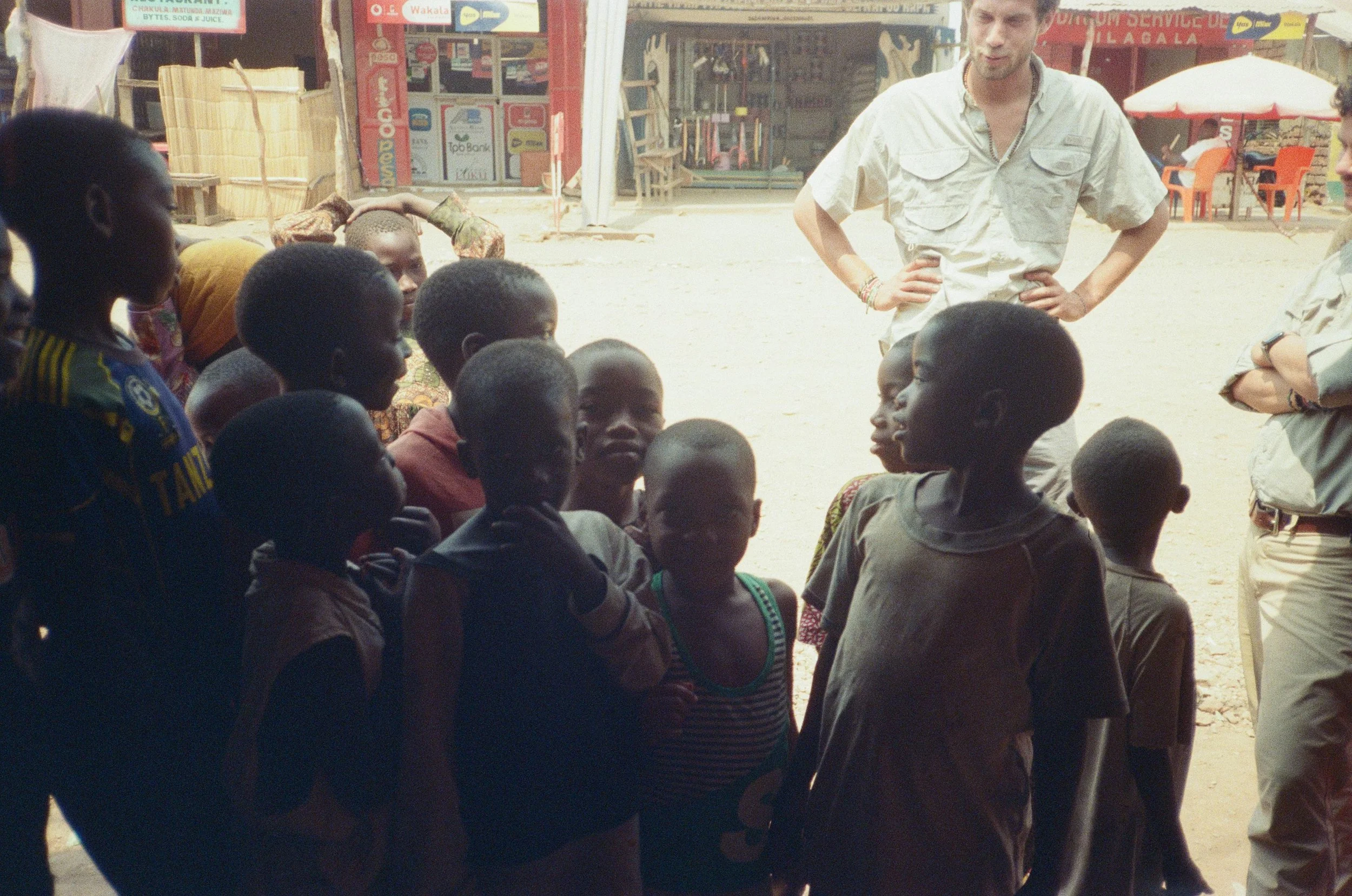
It was all gearing up to be a rather quaint and tame 2 months of staying at my site in the village until… BOOM: I went on a 4-week trip of a lifetime. The trip started on the tail end of August to celebrate the birthdays of 3 of my fellow volunteers on August 28, 29, and 30—dubbed the “birthday sandwich.” This kicked off with a week in Zanzibar, a place known as Spice Island for its agriculture, a wonderful cultural blend of East Africa and the Middle East, and deep historical roots in the African slave trade. Some of my readers may know that I have a good friend named Jordan, and his birthday was the second slice of bread of the sandwich on August 30. It turns out that he has other friends that aren’t me—the audacity! A while ago, a couple of his other friends had reached out to me wanting to surprise Jordan by visiting and planning a trip around Tanzania. Despite their concerns, I convinced them that if they just showed up, we could plan the whole trip once they arrive and then wing it. This was the way in which Jordan’s friends surprised him, and we kicked off the adventure of a lifetime. After they successfully caught Jordan off guard just after his birthday, our first order of business was to get off the island. Just as our ancestors did when they wanted an airline ticket, we showed up at the airport and asked for their soonest, cheapest flight off the island. We were fortunate that there were flights available to go straight to the Serengeti. Unfortunately, we would have to wait until the following day.
“Why do we have to wait?” We asked.
“It’s not possible to fly today,” the airline operator replied.
“That’s not true; we saw flights on the internet available this evening.”
“That’s impossible.”
“But how can that be impossible?” We asked, beginning to lose patience.
“Because the airport has no lights.”
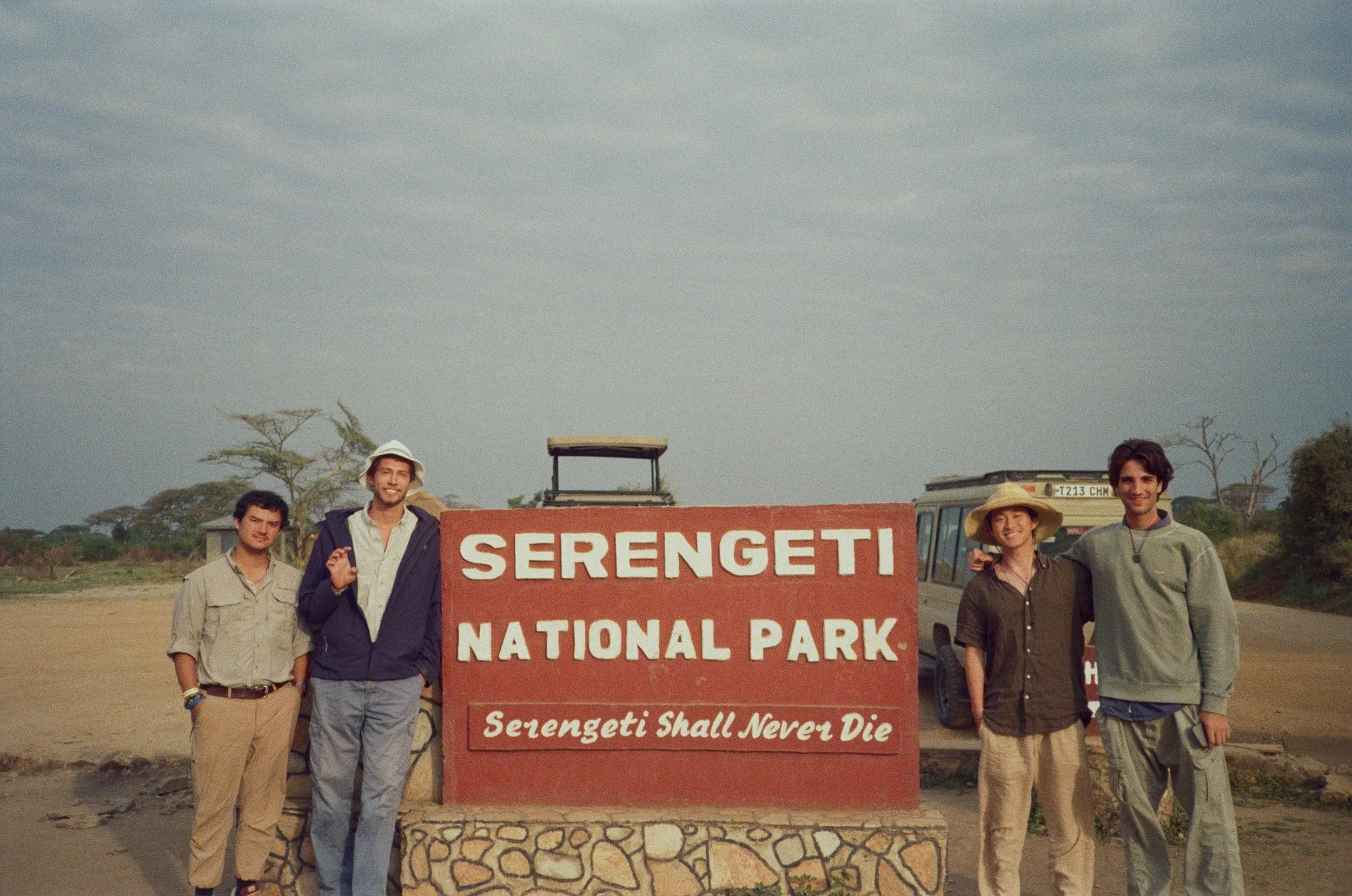
So we learned that the fields they call the Arusha and Serengeti airstrips do not have lights and are unnavigable during evening and nighttime, something I had always taken for granted. Now that we had our flight plan, it was time to plan our safari in Serengeti National Park, one of the greatest national parks and wildlife experiences in the entire world. Some people spend their whole lives dreaming of visiting this park, and it often costs tens of thousands of dollars. Through a bit of sweet talking over WhatsApp, we were able to plan the whole trip the night before for about a thousand dollars total for the four of us. But it gets better. The safari car had to leave that night in order to meet us in Serengeti because it’s about 9 hours away from the nearest major town.
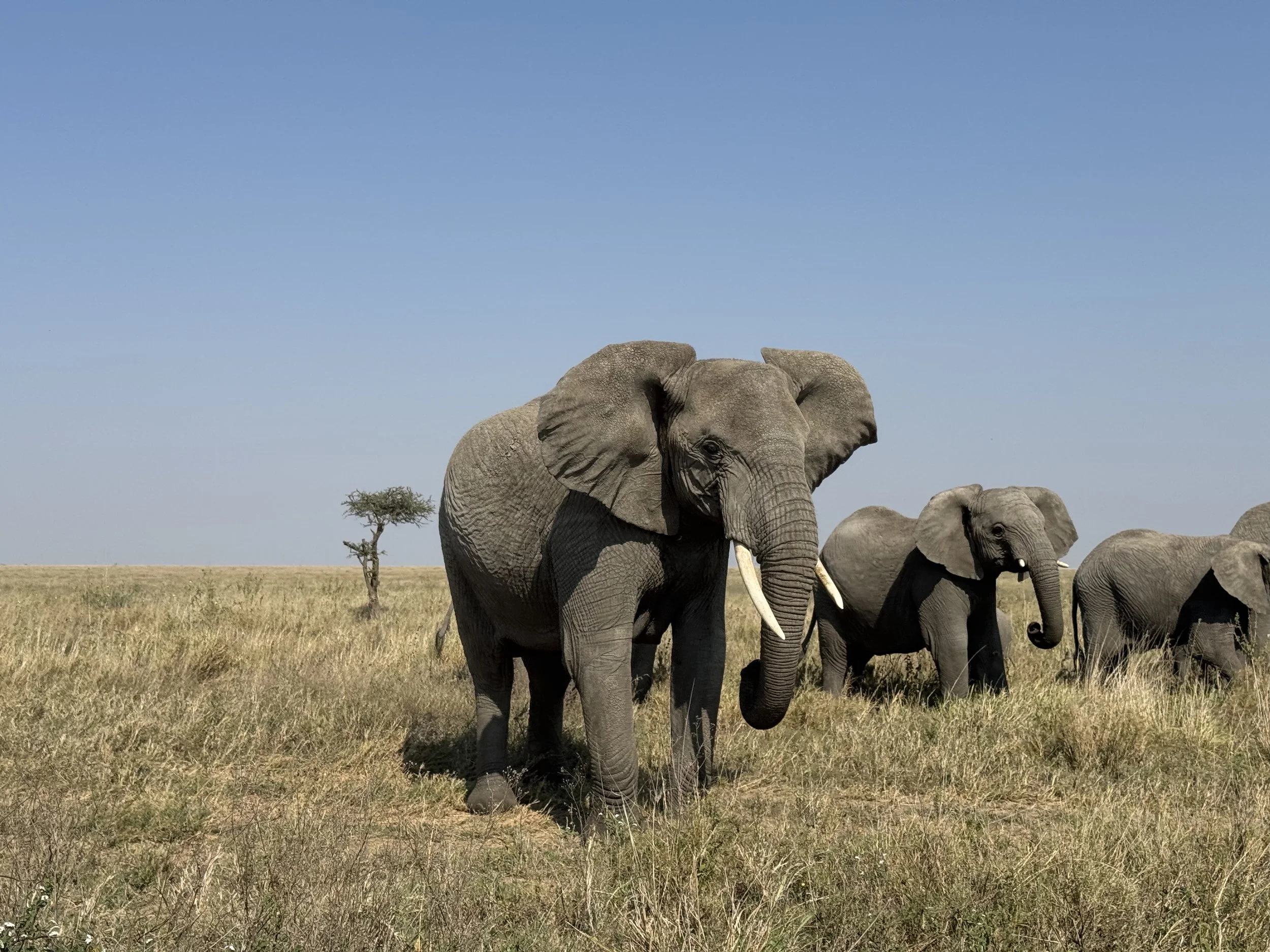
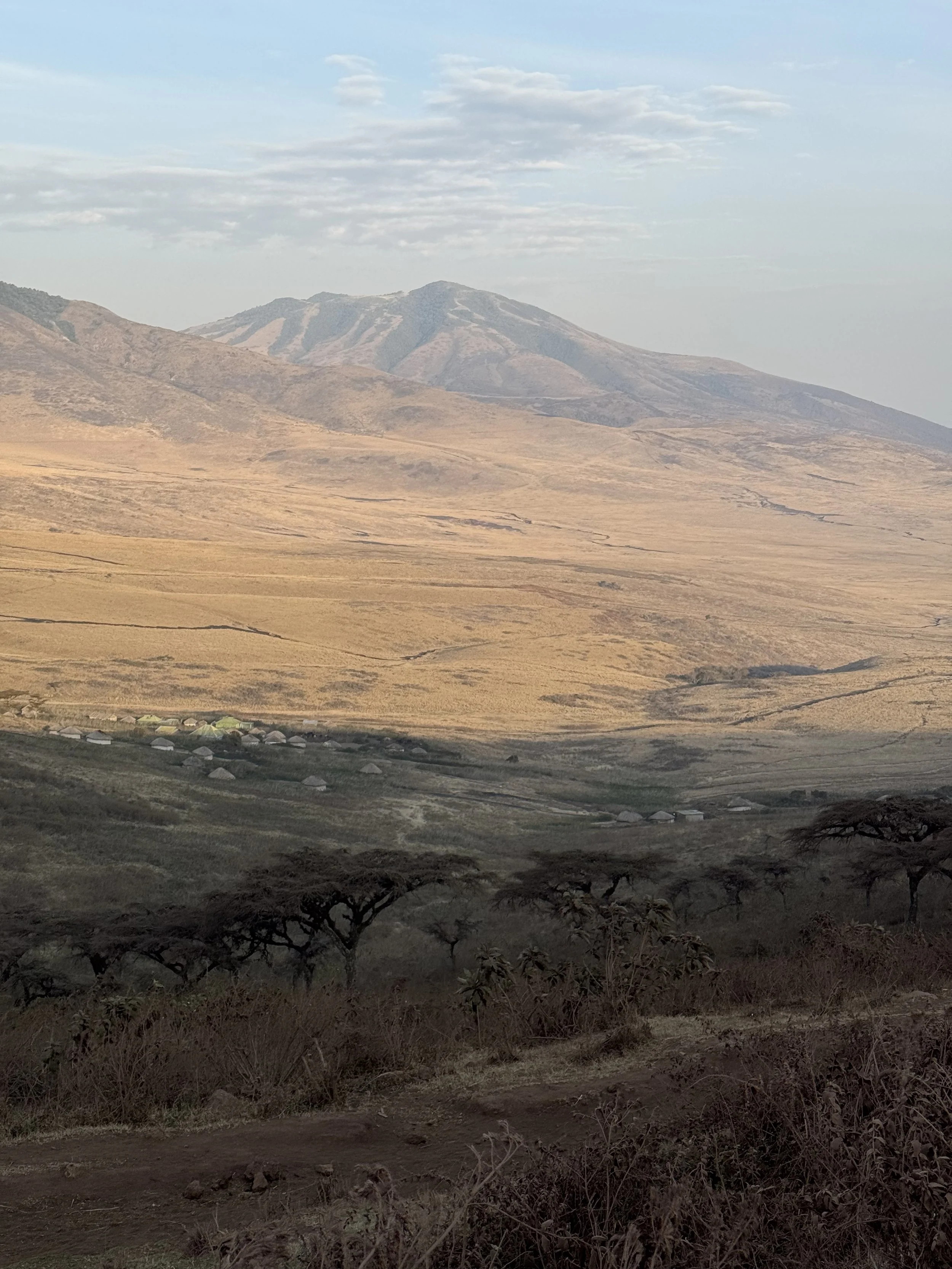
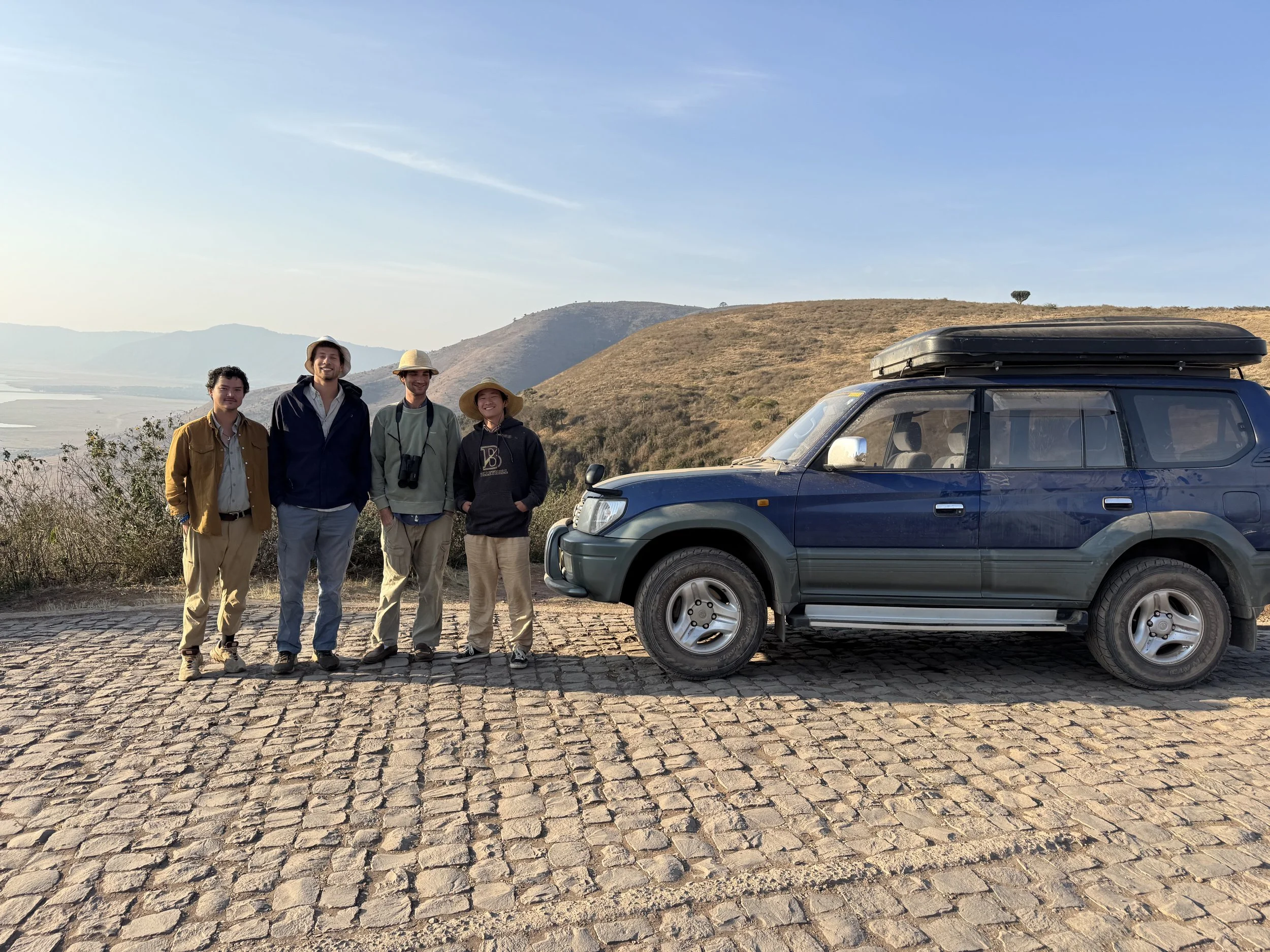
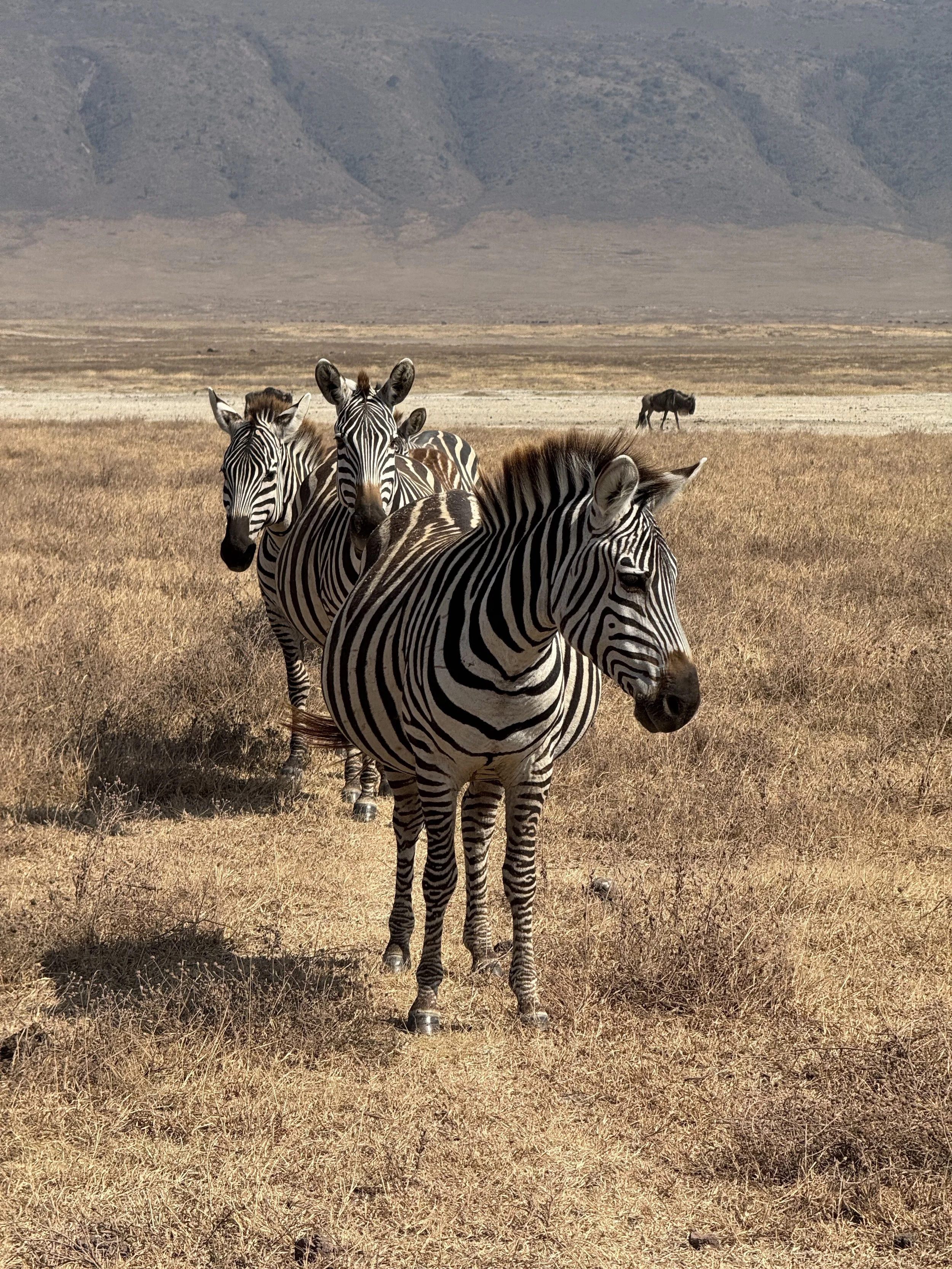
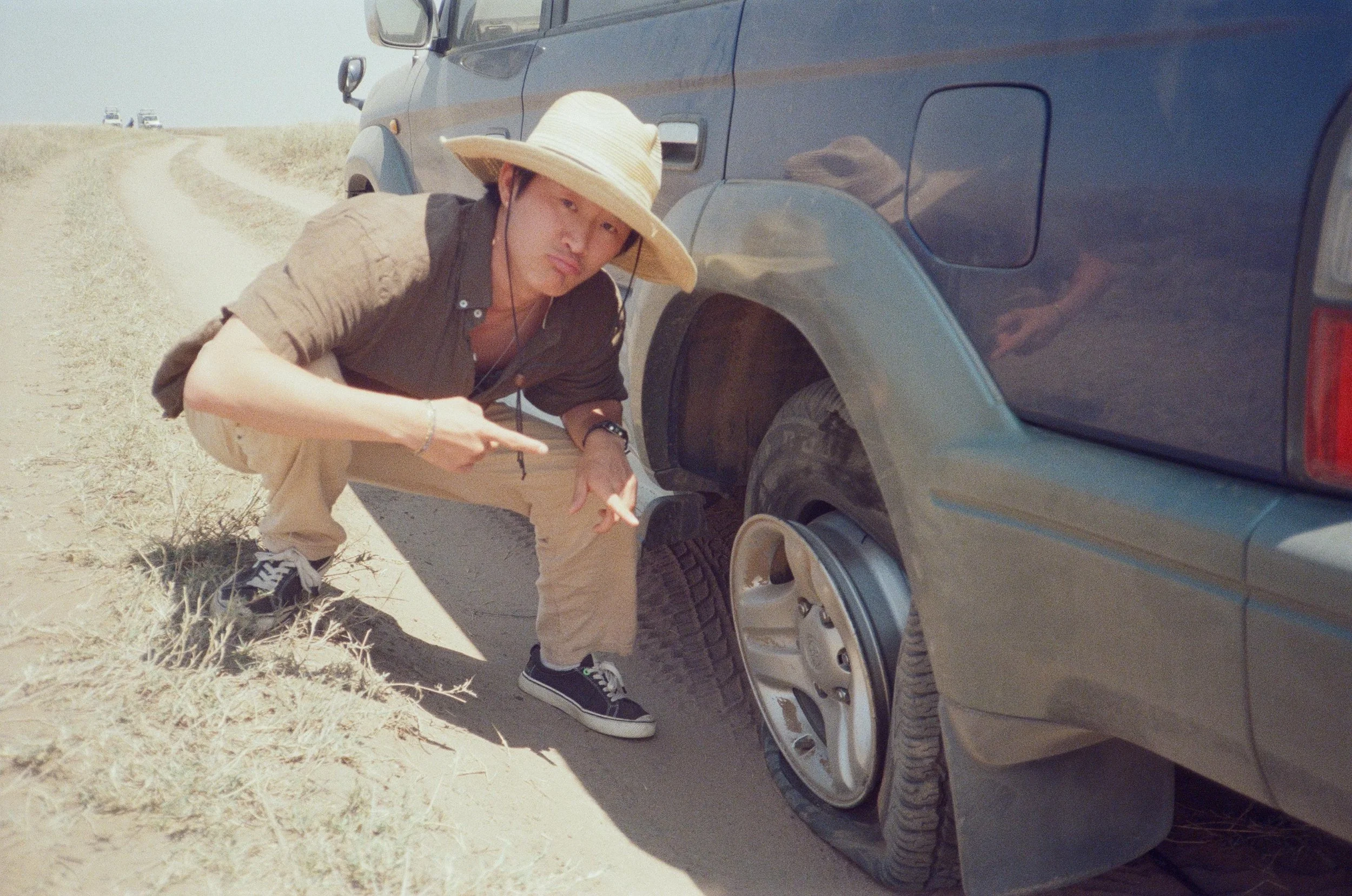
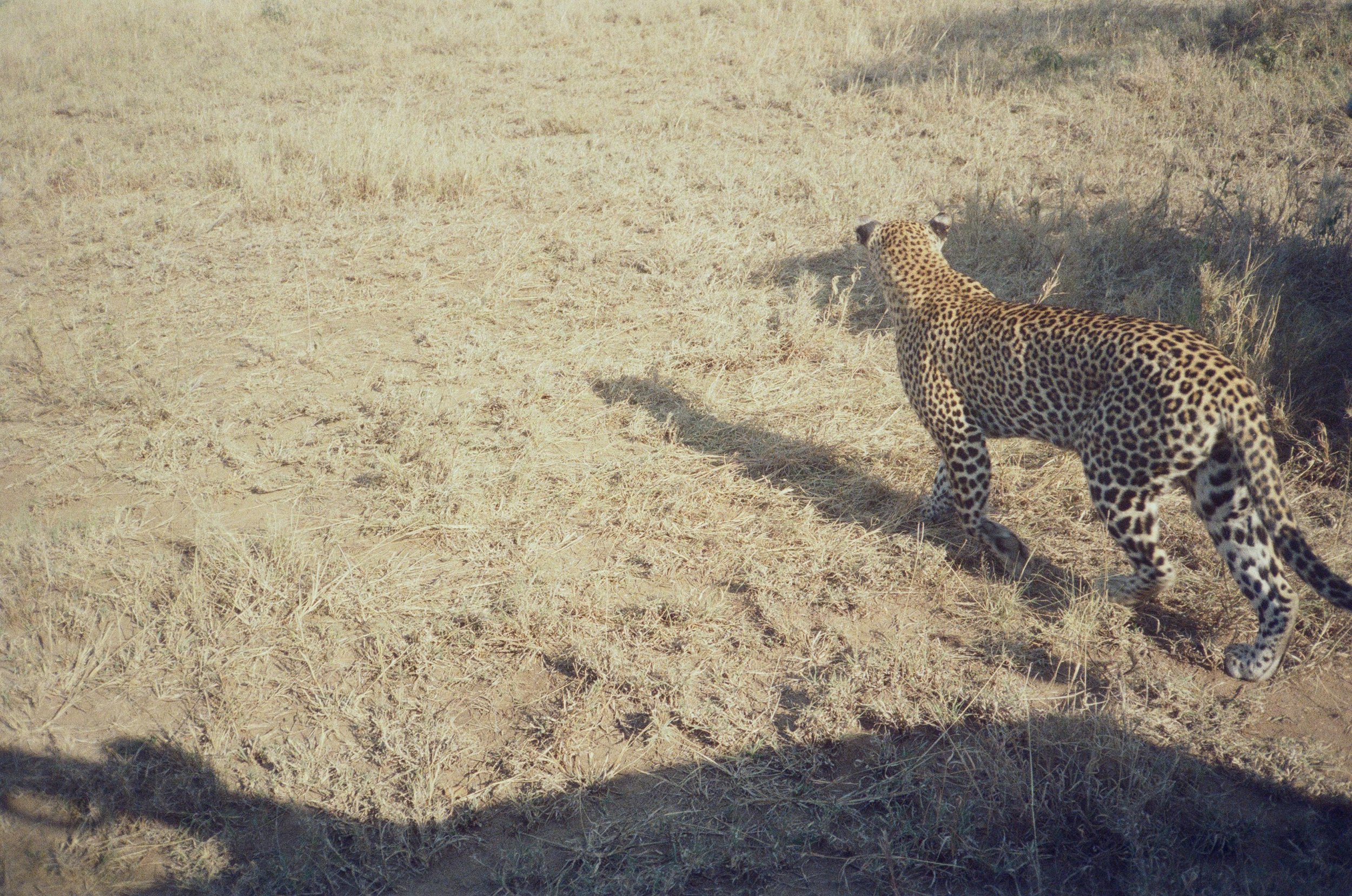
When a beat-up blue Land Cruiser rolled into the airport parking lot with a flat tire we felt sorry for whoever booked that safari car. Then we saw the message “I am here, but with flat tire,” from our driver. This would be the first of 3 flat tires we would get during this trip. In the pictures above I added a picture of our car for the safari versus what other people usually drive on a safari. This is the equivalent of taking a Corolla off-roading instead of a jeep. Still a great car, but not made for what we were doing. We were definitely getting what we paid for. We spent our nights camping in the Serengeti and bought our food from the surplus of the private chefs of other campers. One night when I got up to go to the bathroom I heard noises in front of me. I turned my flashlight on and saw a giraffe just 15 feet in front of me chewing on a tree. We found out that the great migration would be taking place in the Serengeti during our stay. The largest wildlife event in the world and we would get to witness it by chance. I won’t lie though, I’m still mad at the great migration for what it did to Mufasa. Our last of three days in Serengeti was capped off with one of the most legendary game drives of all time. It started with us seeing a leopard and her cubs perched upon a large rock. The mother descended and started circling our car. I eventually saw a dikdik next to our car cluelessly chewing on some Savannah grass. We got to watch the leopard crawl under our own car as it hunted the dikdik. Unfortunately the Leopard went hungry that time and the dikdik got away, but its just as well because Jordan’s a vegetarian.
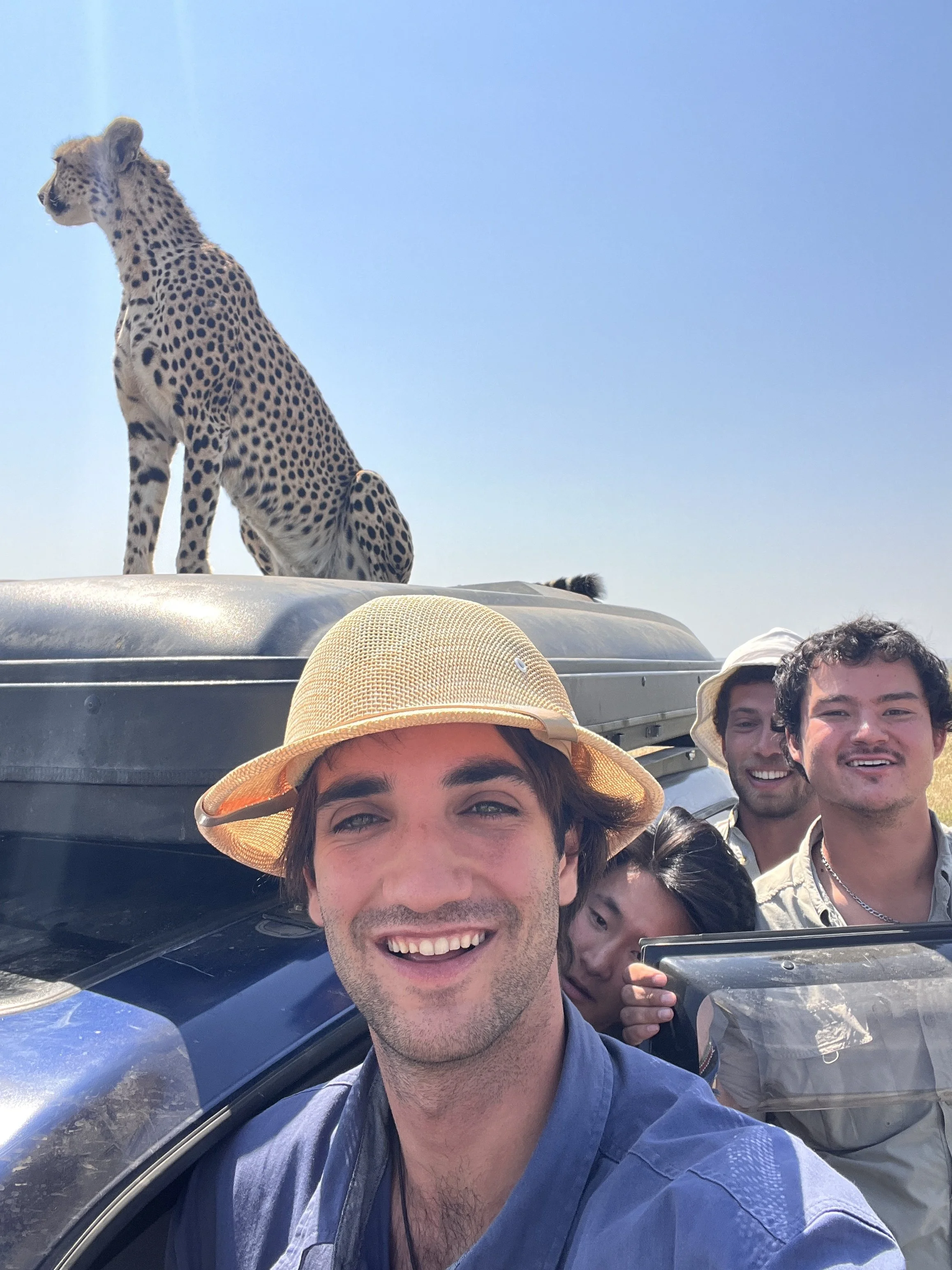
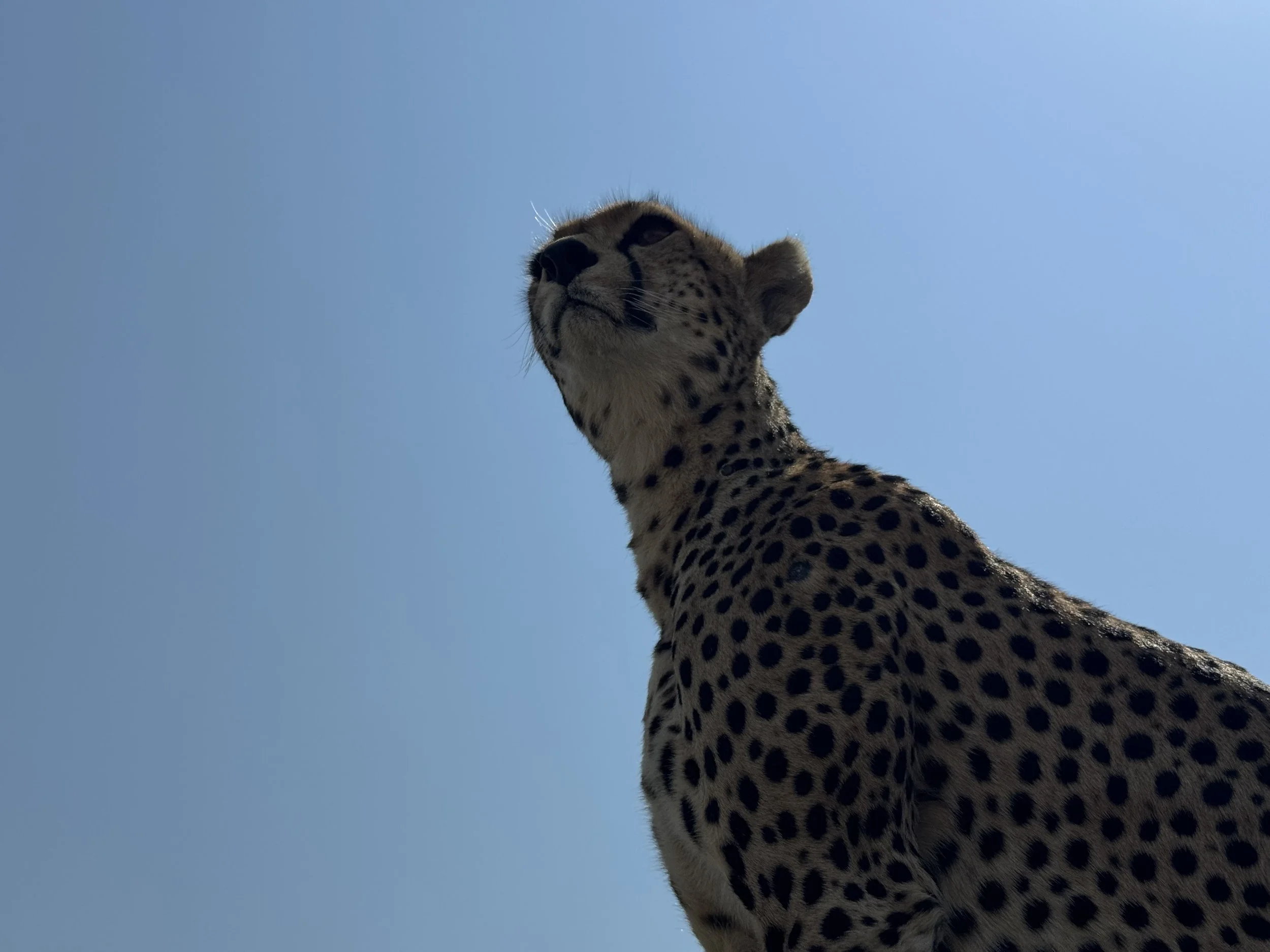
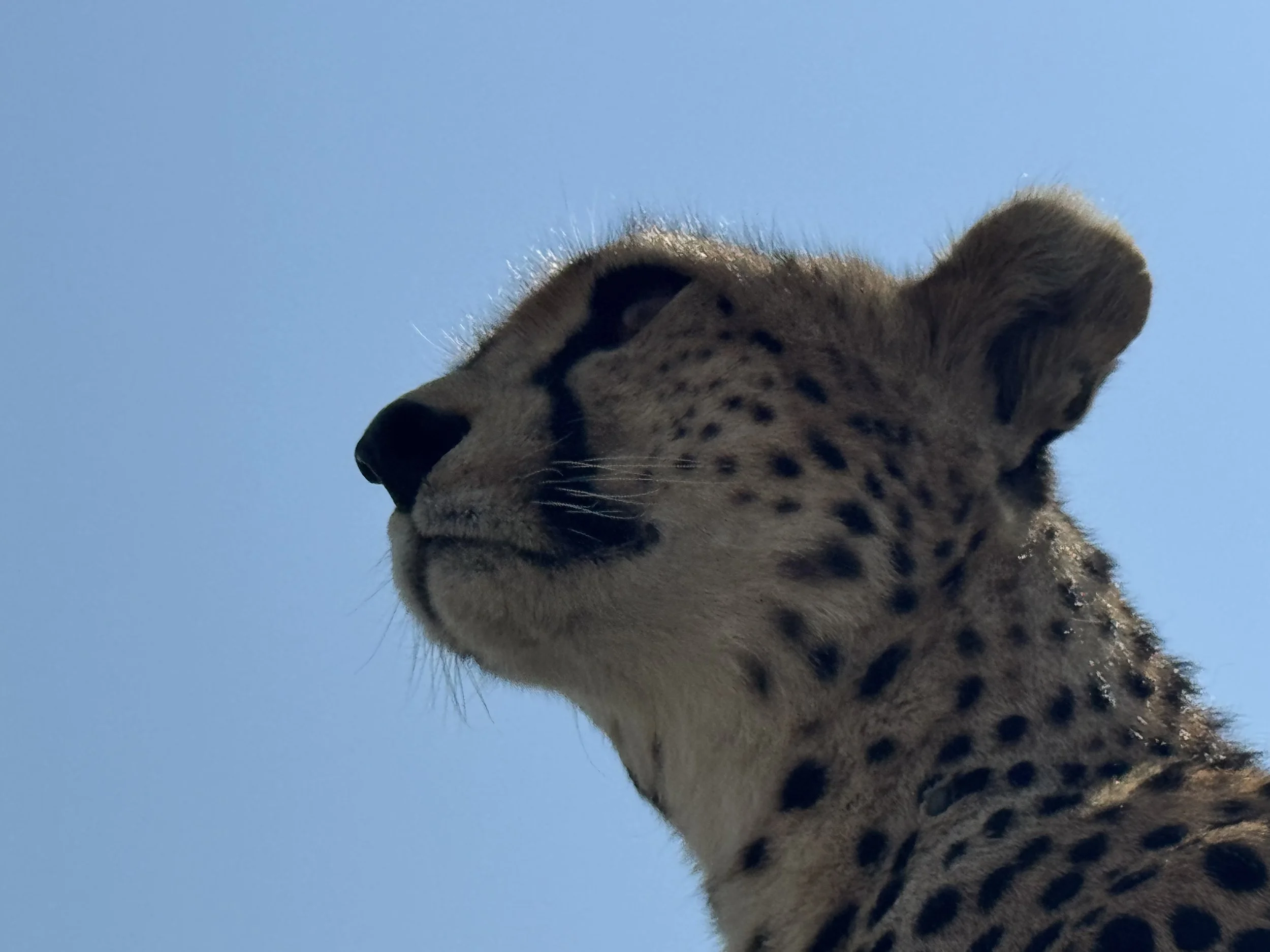
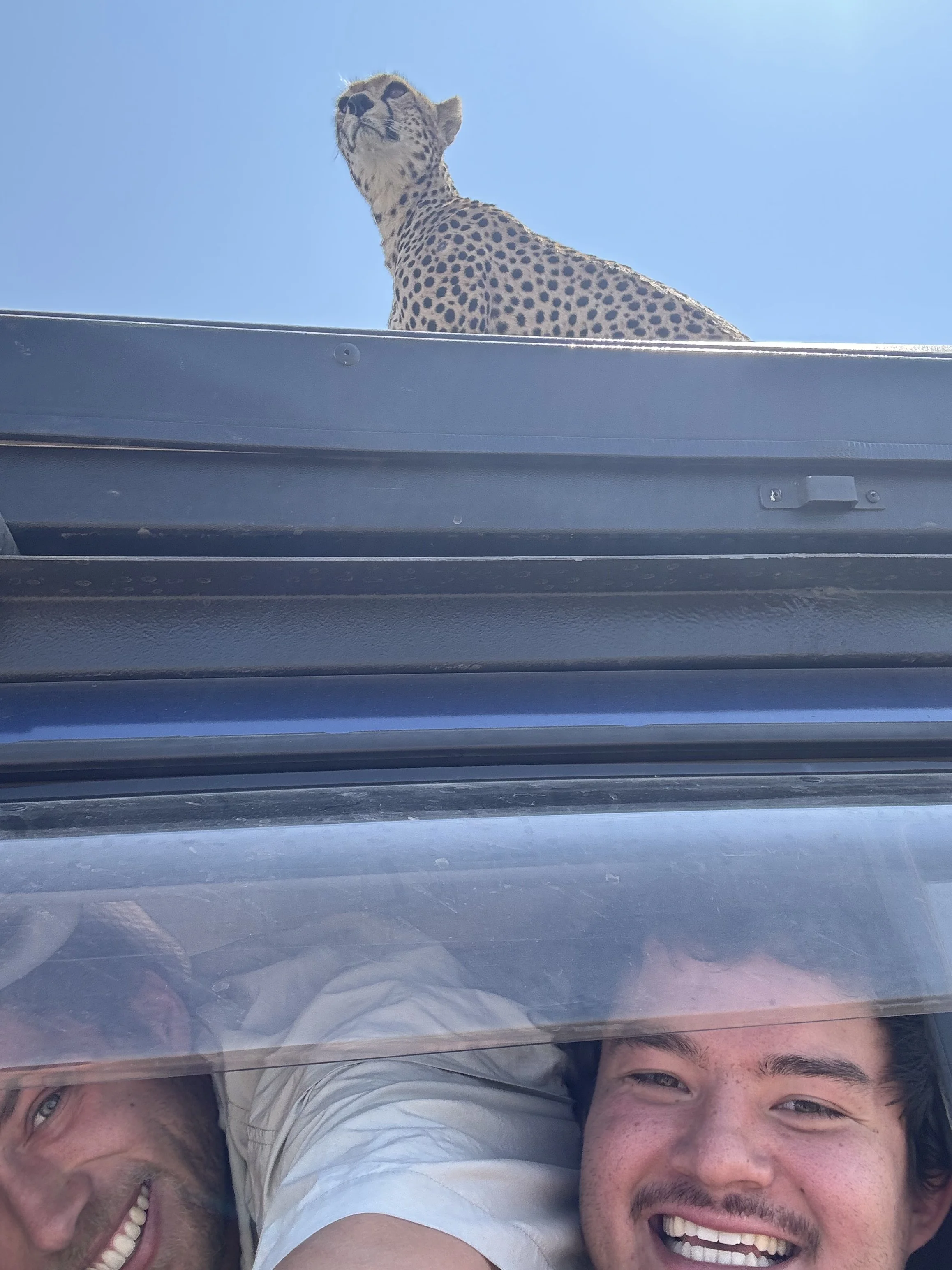
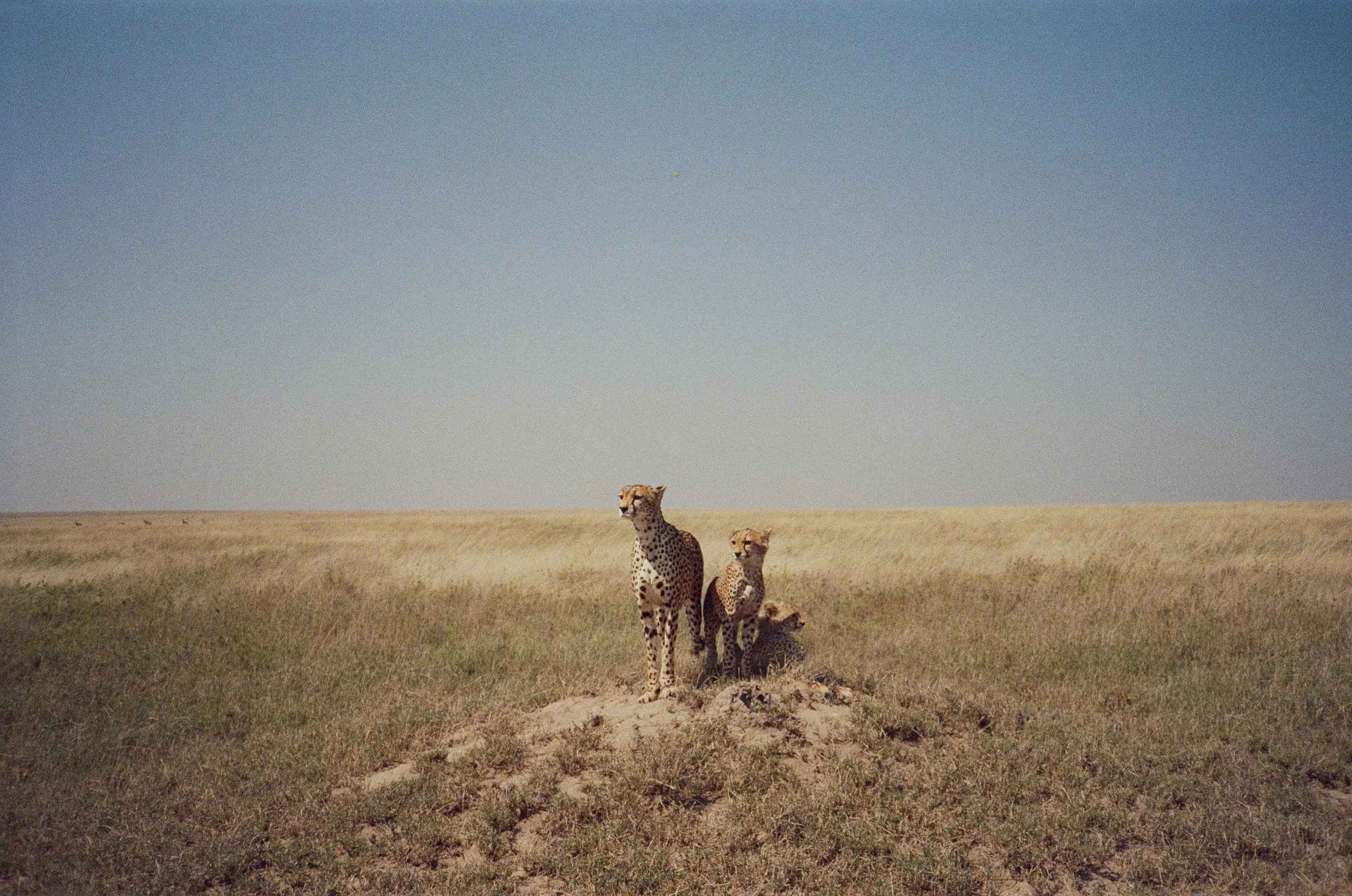
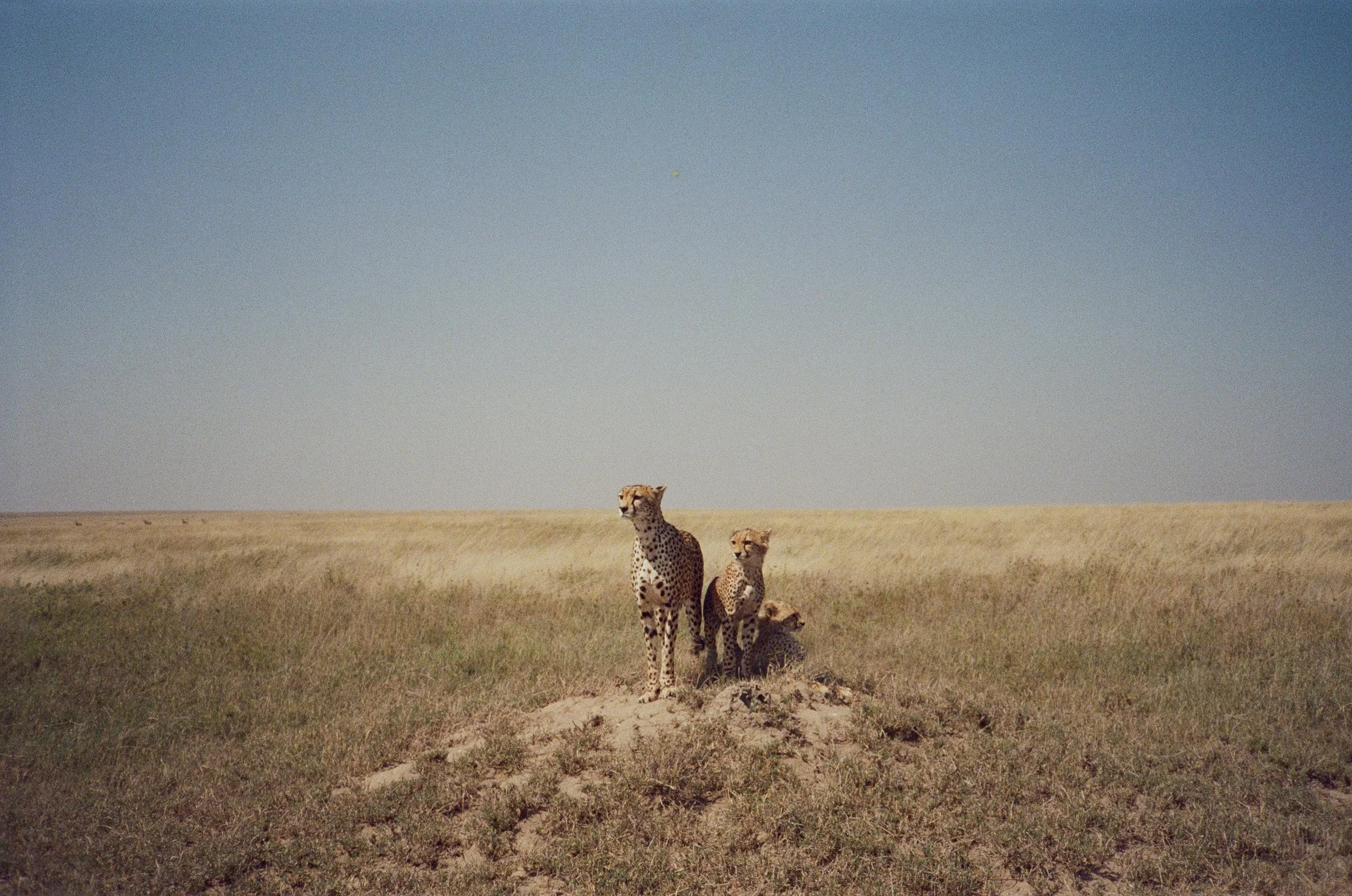
We continued our drive where we saw a cheetah hunting gazelle at 60 miles per hour. Just after this a herd of elephants passed by and the matriarch was trumpeting at our car preparing to charge, so we drove away. An unexpected benefit of having the car we did was that other safari tourists thought we were park rangers so their drivers would pull out of our way and wouldn’t follow us off-road—off-roading isn’t allowed without a $600 permit. It was while we were off-roading that we saw another cheetah and her cubs. We got about 6 feet from the cheetah and then it climbed on top of our car. It even posed for us as we opened our doors and took some selfies. It continued to stay on the car even after we started driving again and didn’t get off until we picked up speed. This capped off our legendary game drive, and on our way out we got our second flat tire.
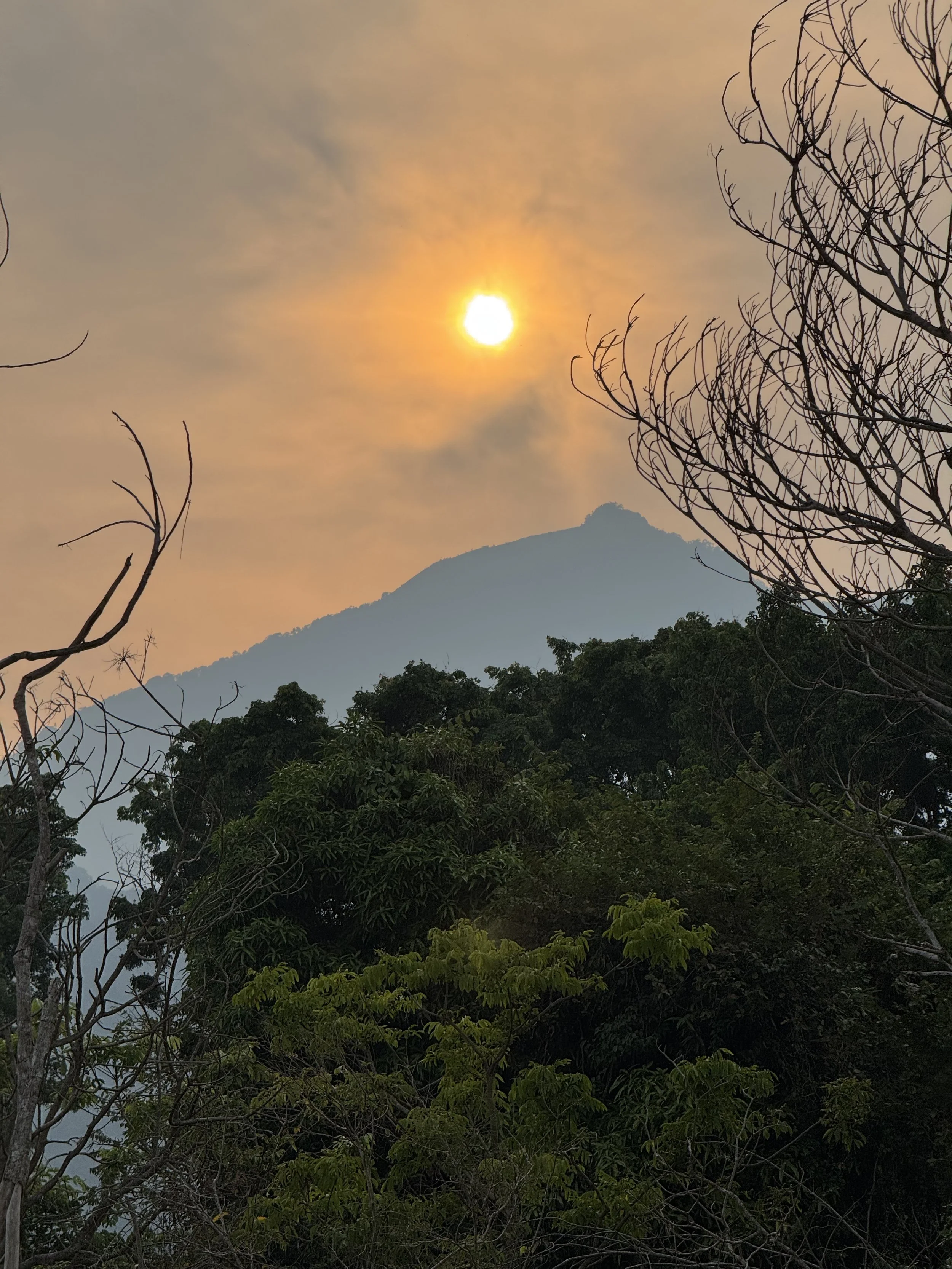
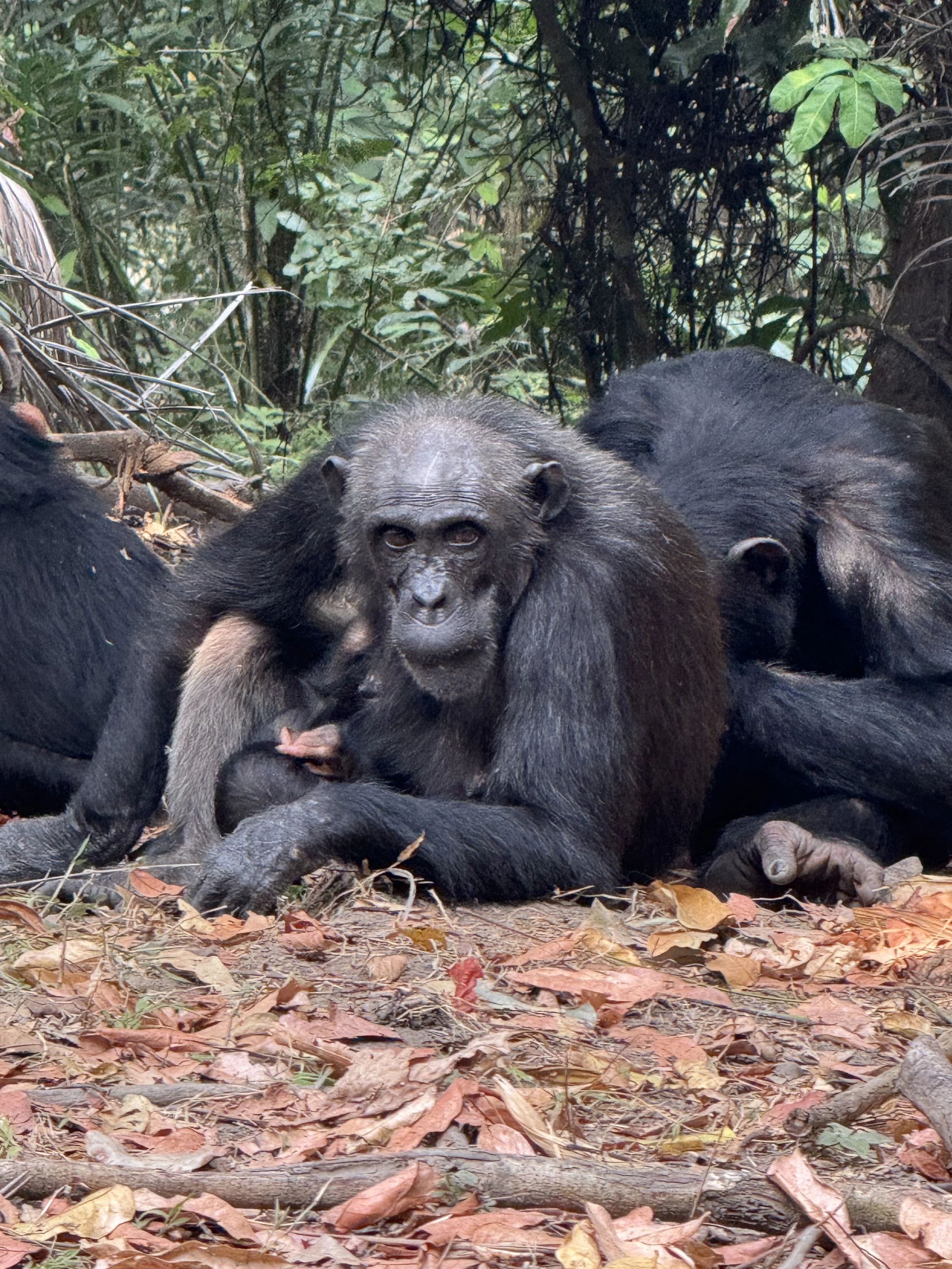
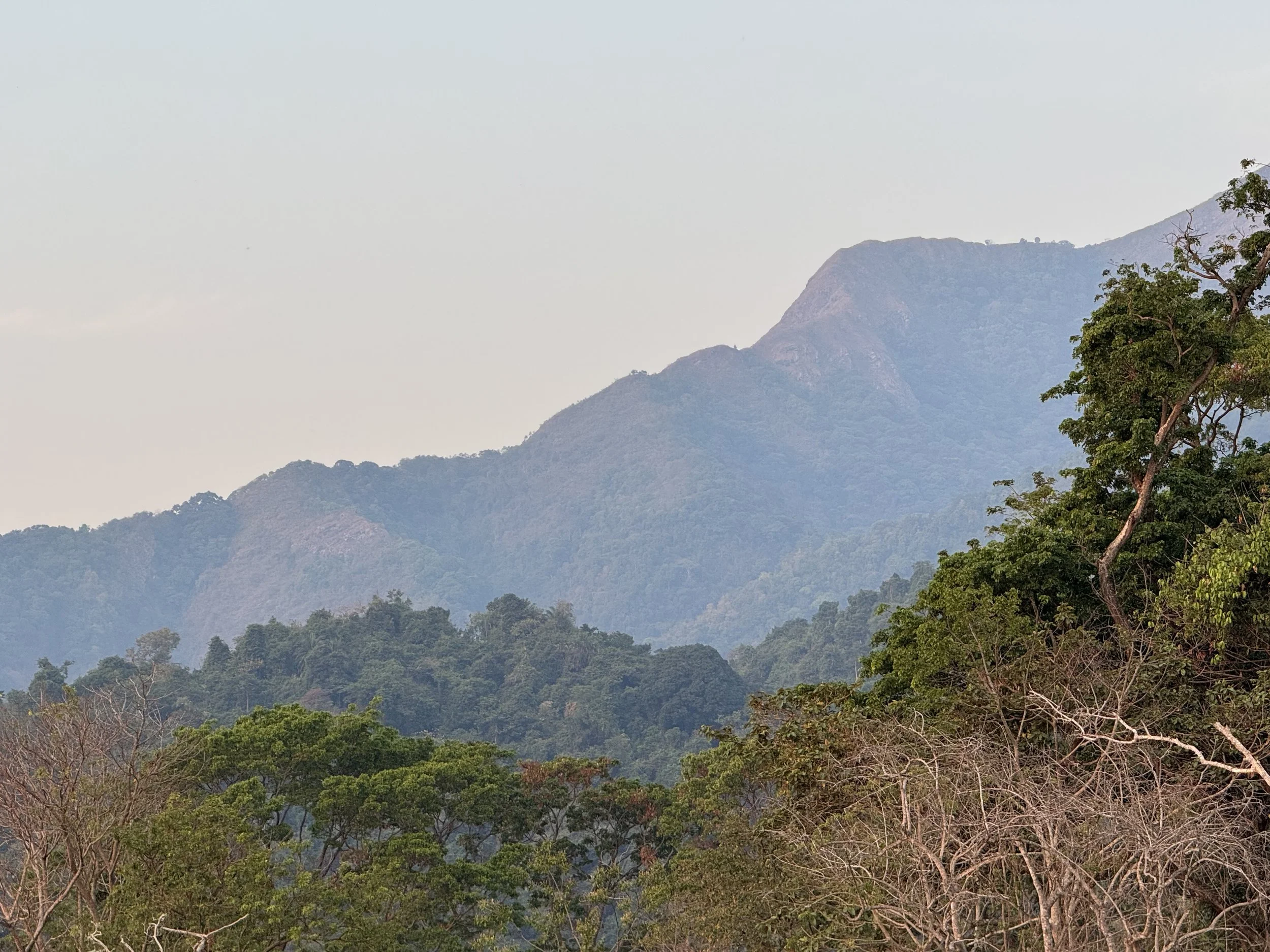
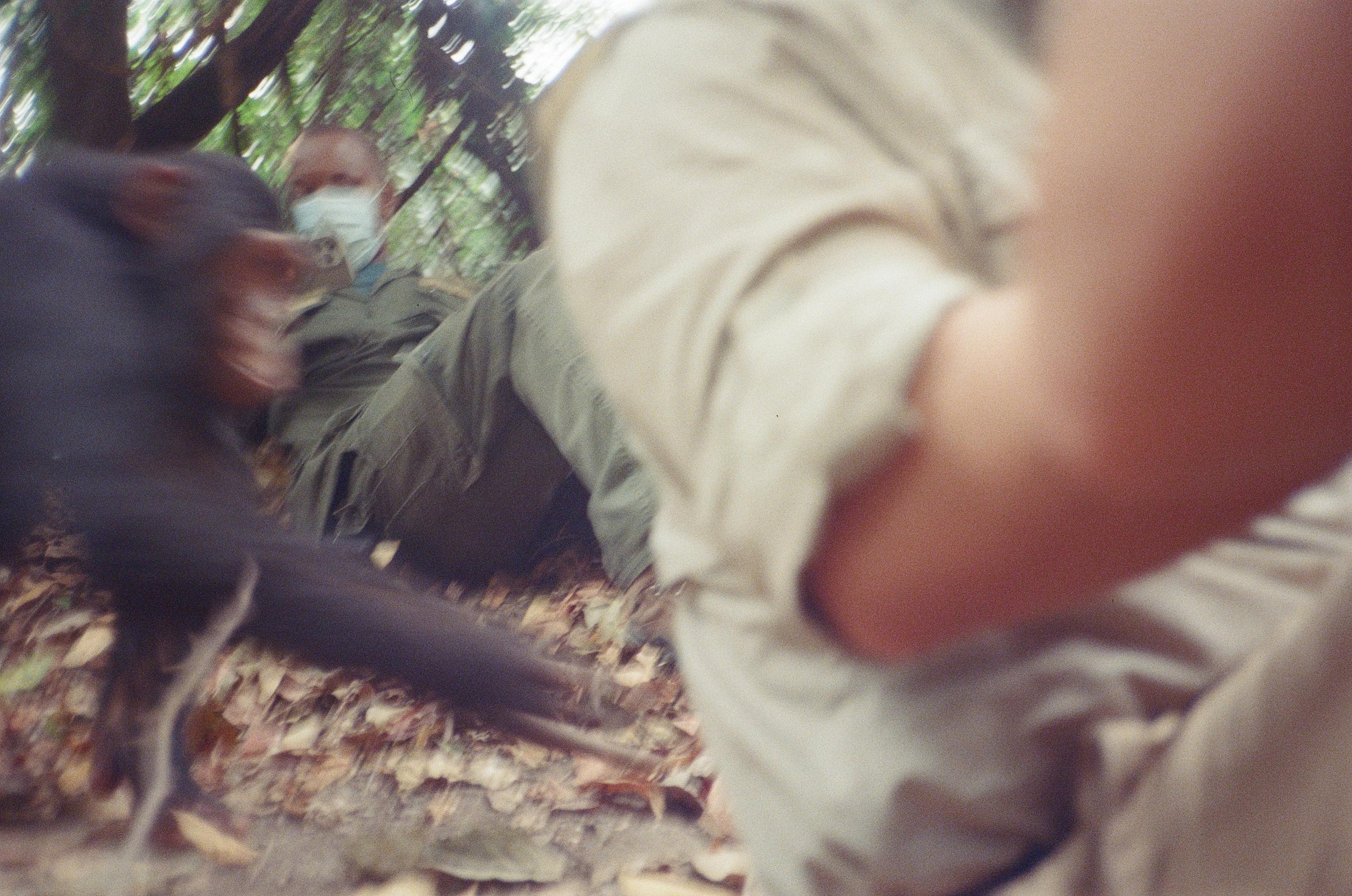
What I didn’t mention was that during our Serengeti safari we were already planning our next destination, proving how forward thinking and well organized we were. We had been throwing around the idea of visiting Mahale Mountains National Park. A secluded place on the western border of Tanzania located along Lake Tanganyika. The park is best known for its enormous population of chimpanzees and for being only accessible by boat or plane due to the complete lack of roads to the park. Naturally we asked a local flight school to give us a lift for free but they quoted us for $10,000 to take a private flight. Eventually our driver for the Serengeti offered to drive us the whole way with a better car for less than we were currently paying for the safari. This method raised questions about how we could possibly get there by car as every guidebook and online resource said it was impossible. Godlove Goodluck (our driver) made a few calls and reassured us it could be done.
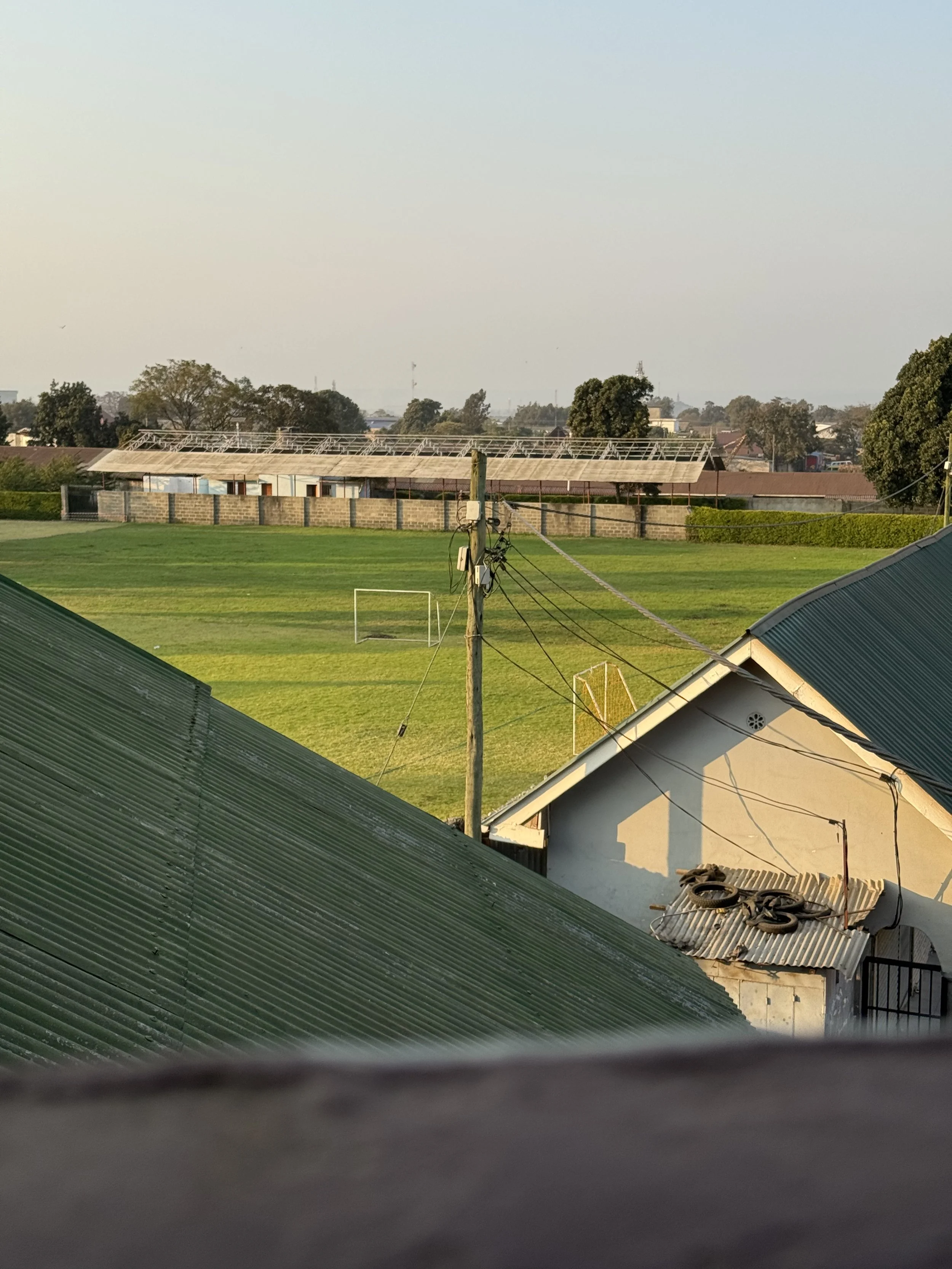
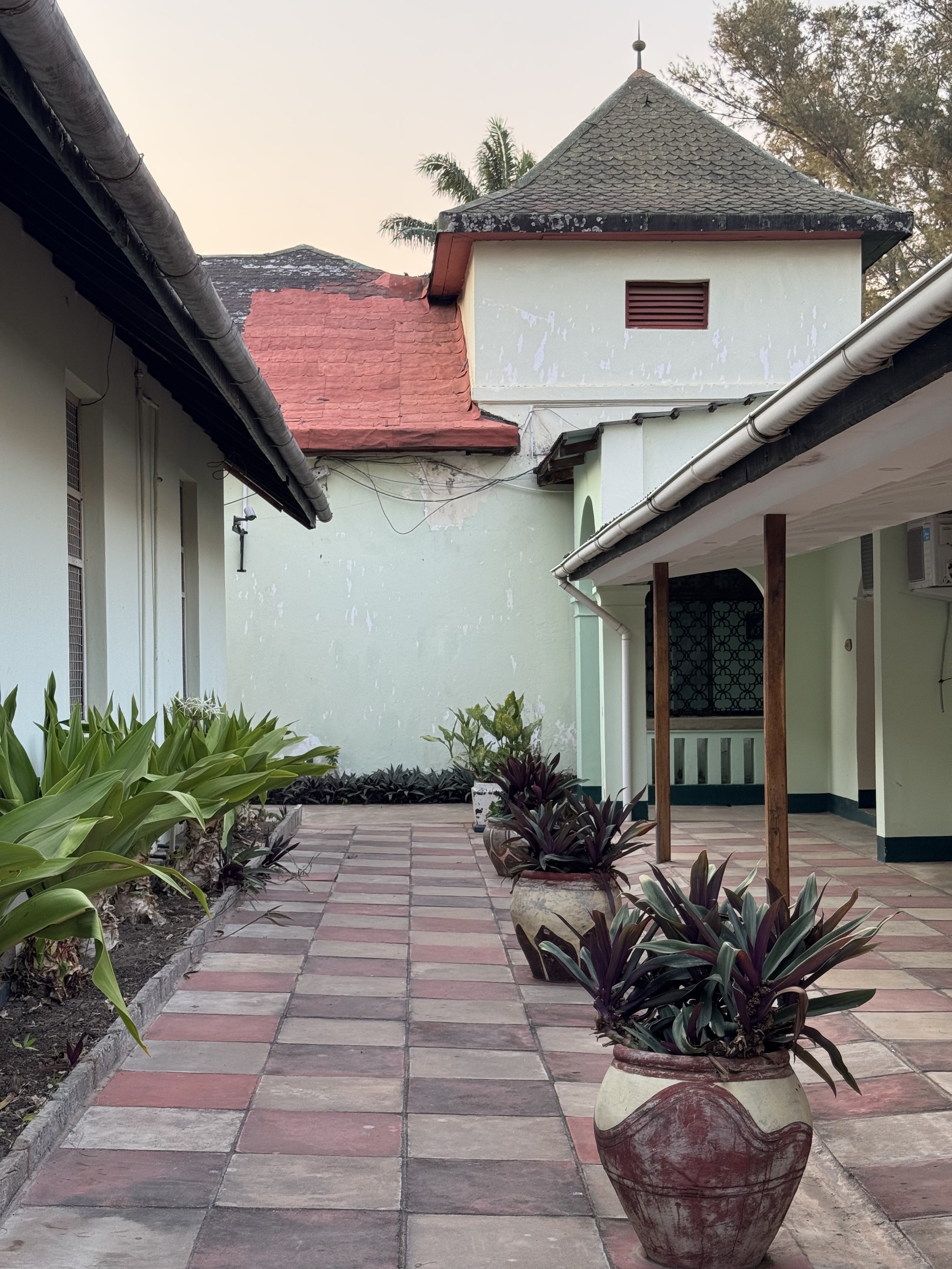
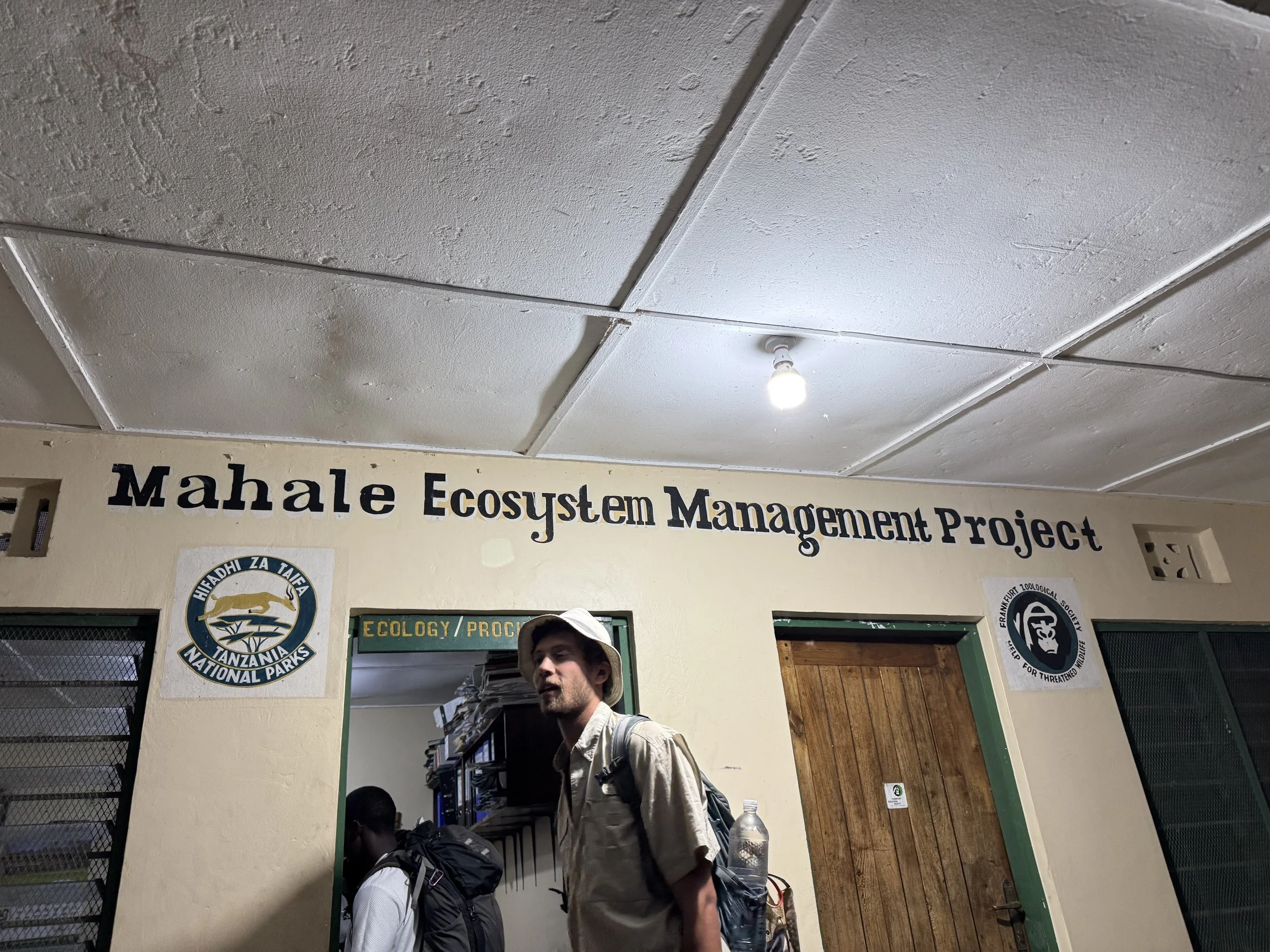
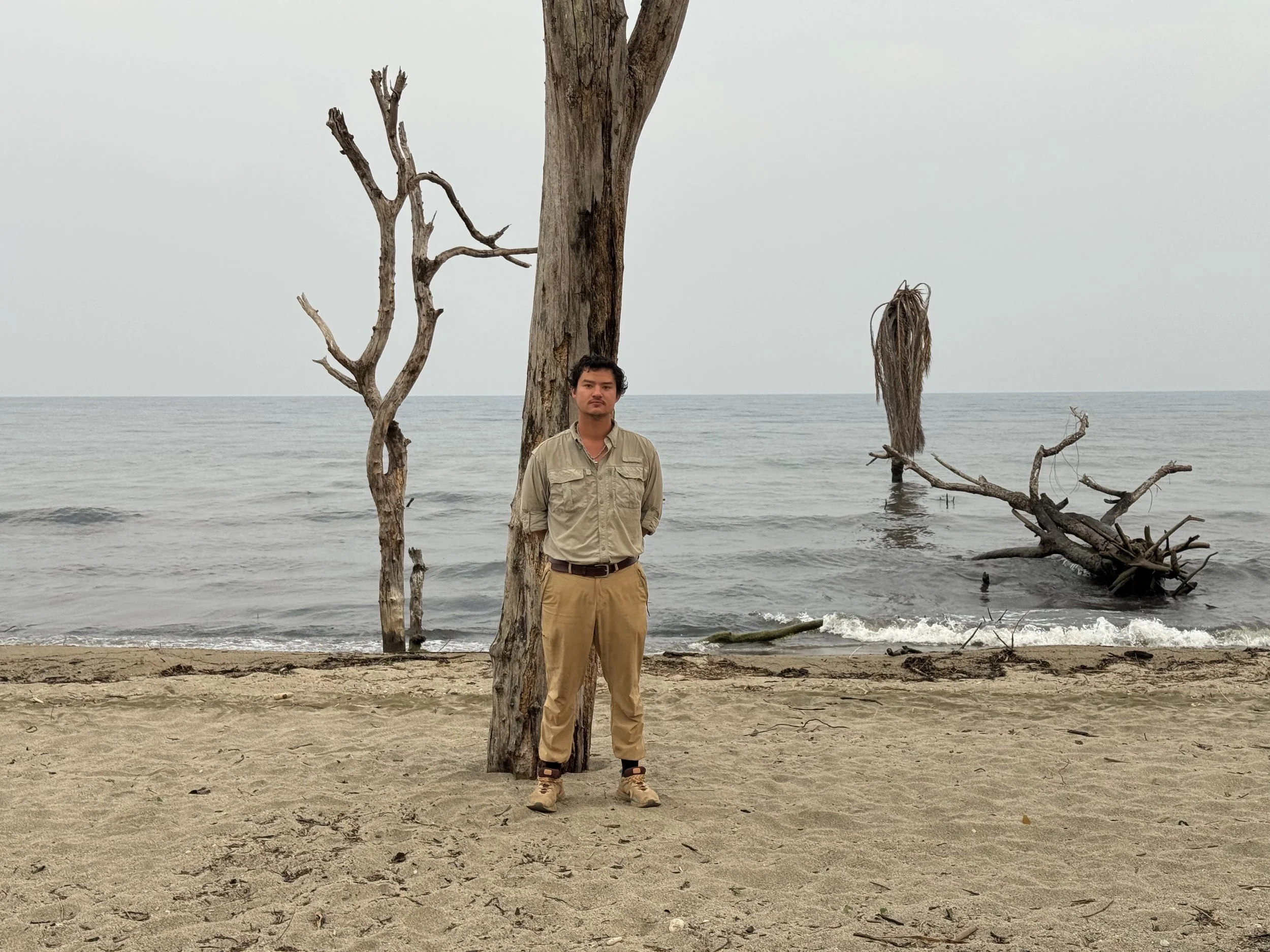
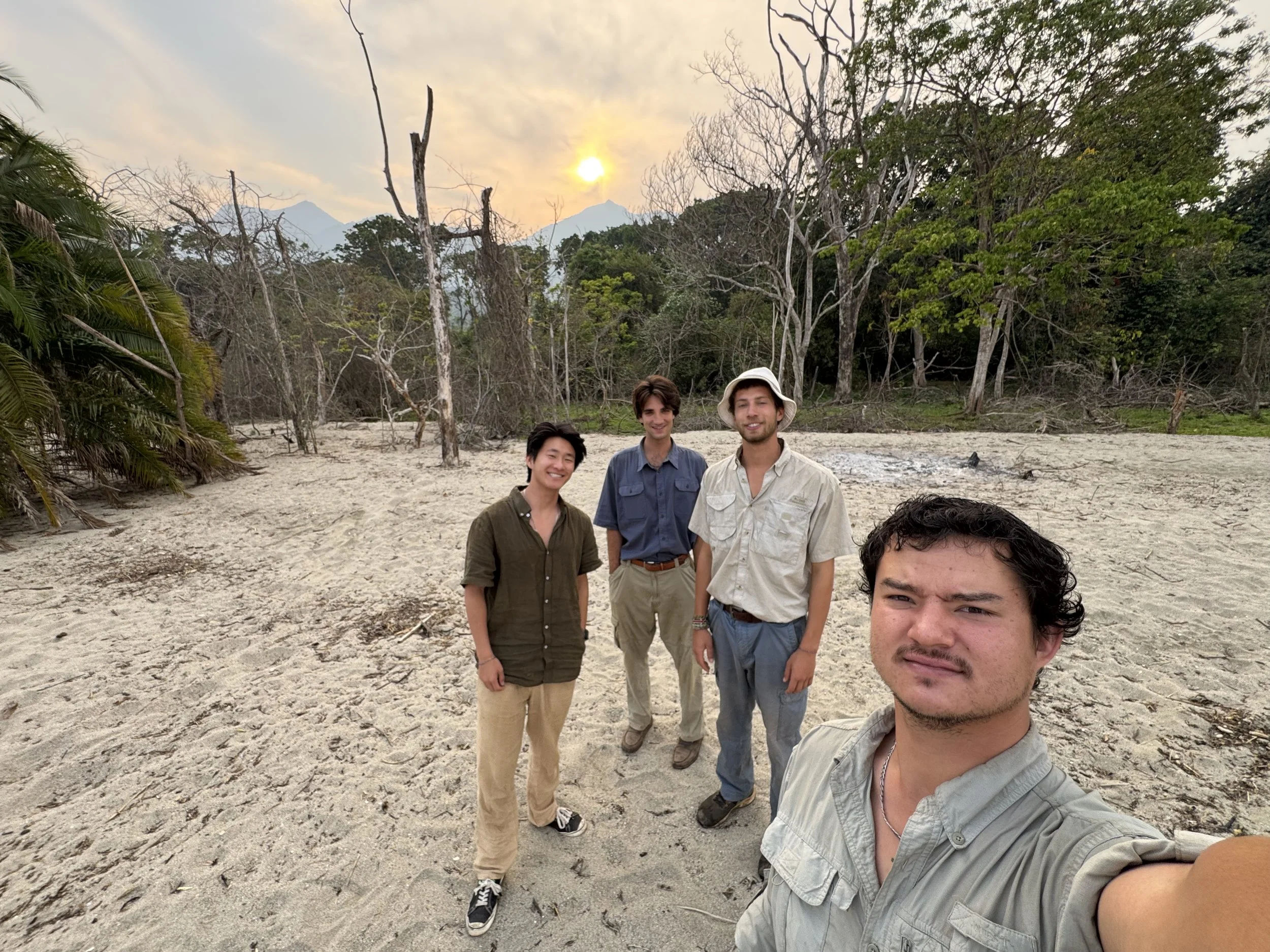
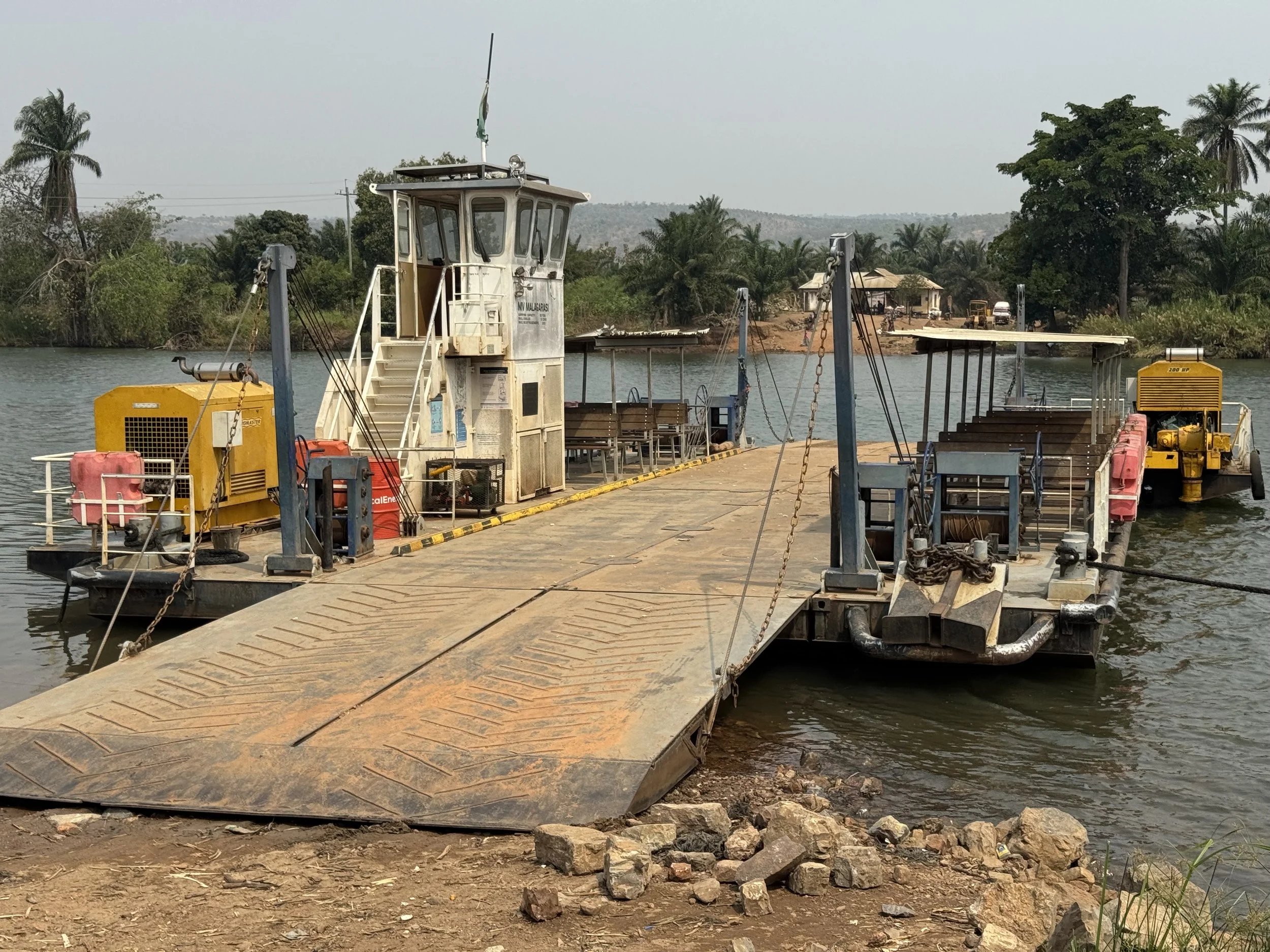
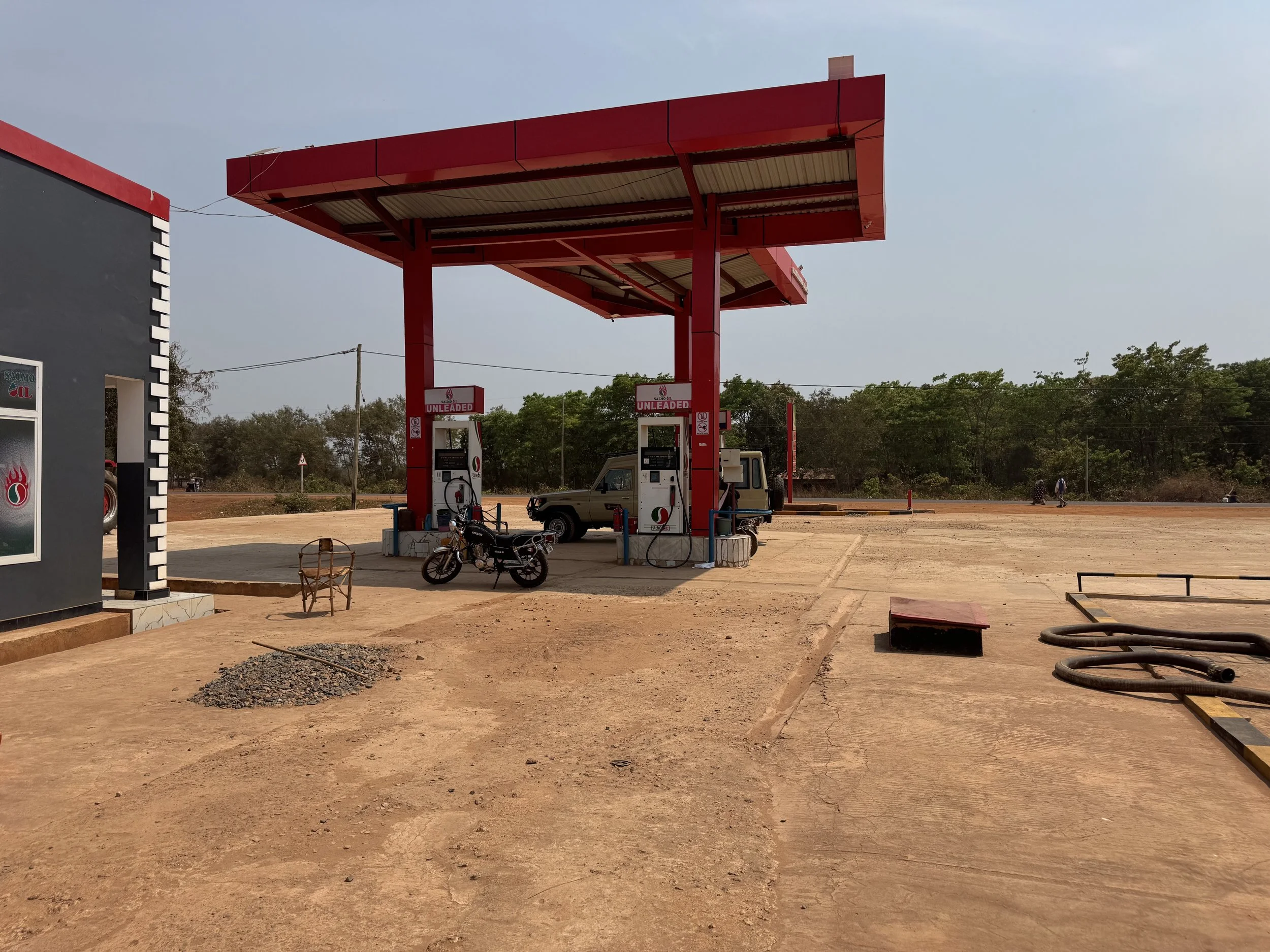
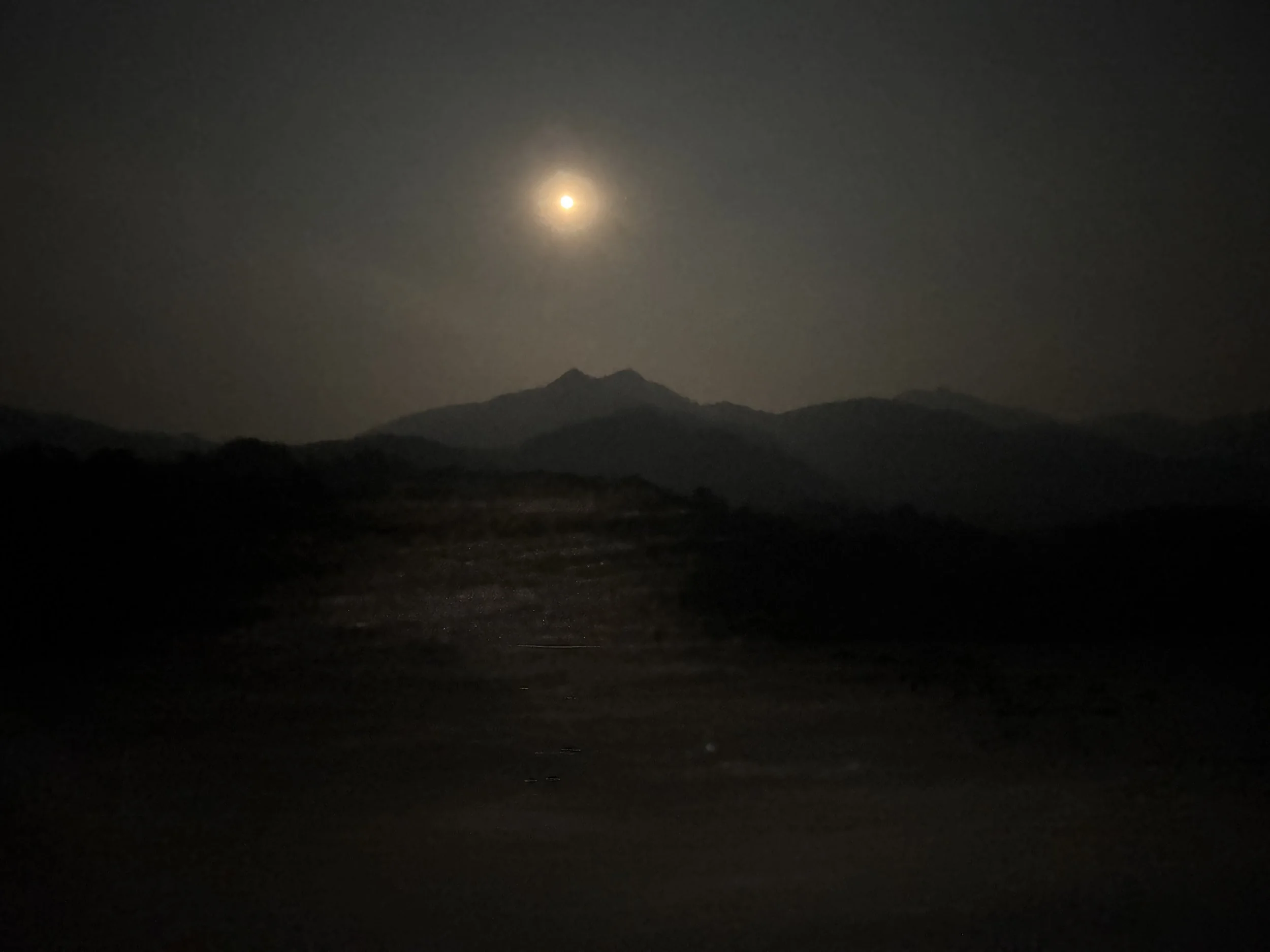
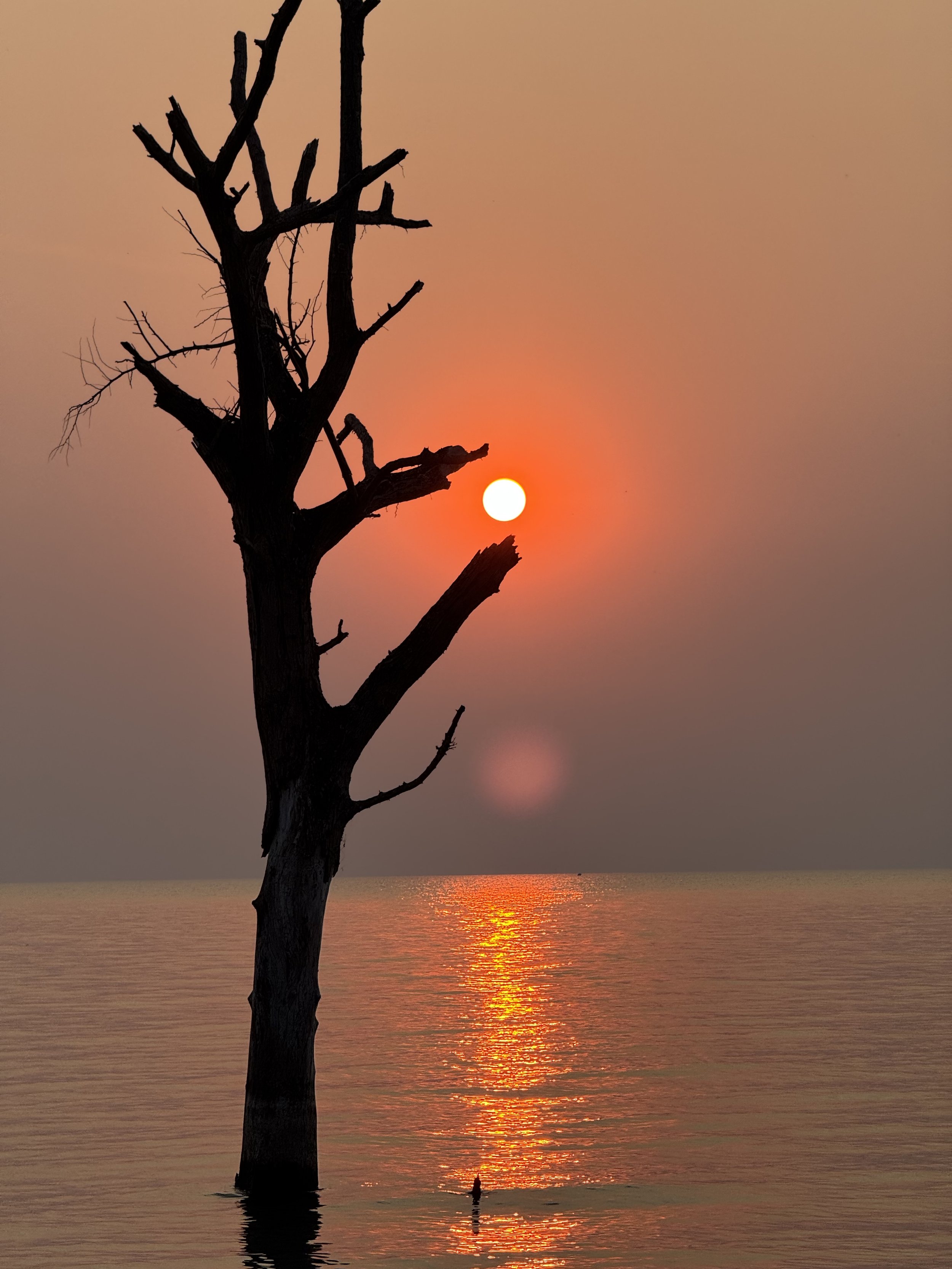
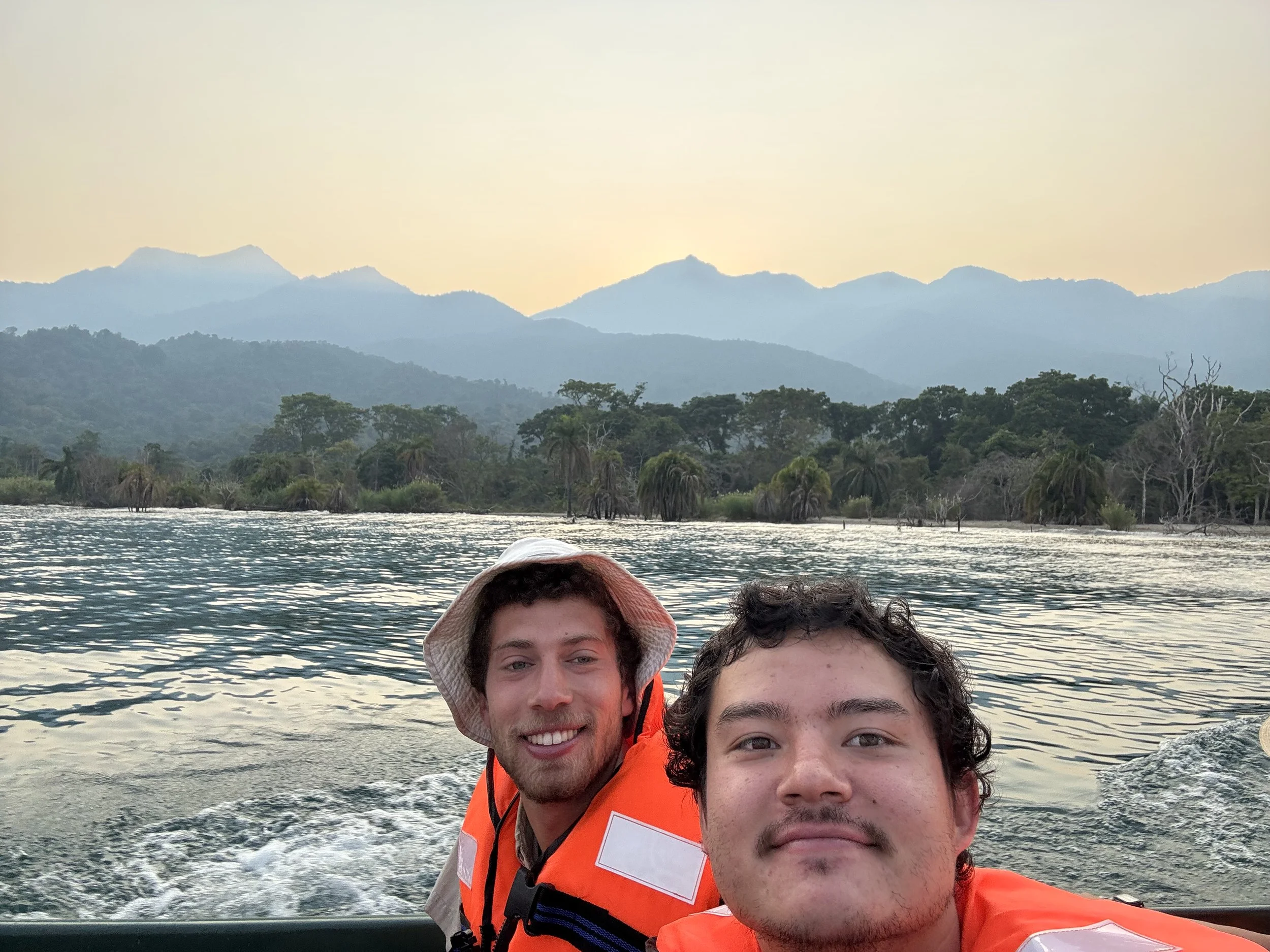
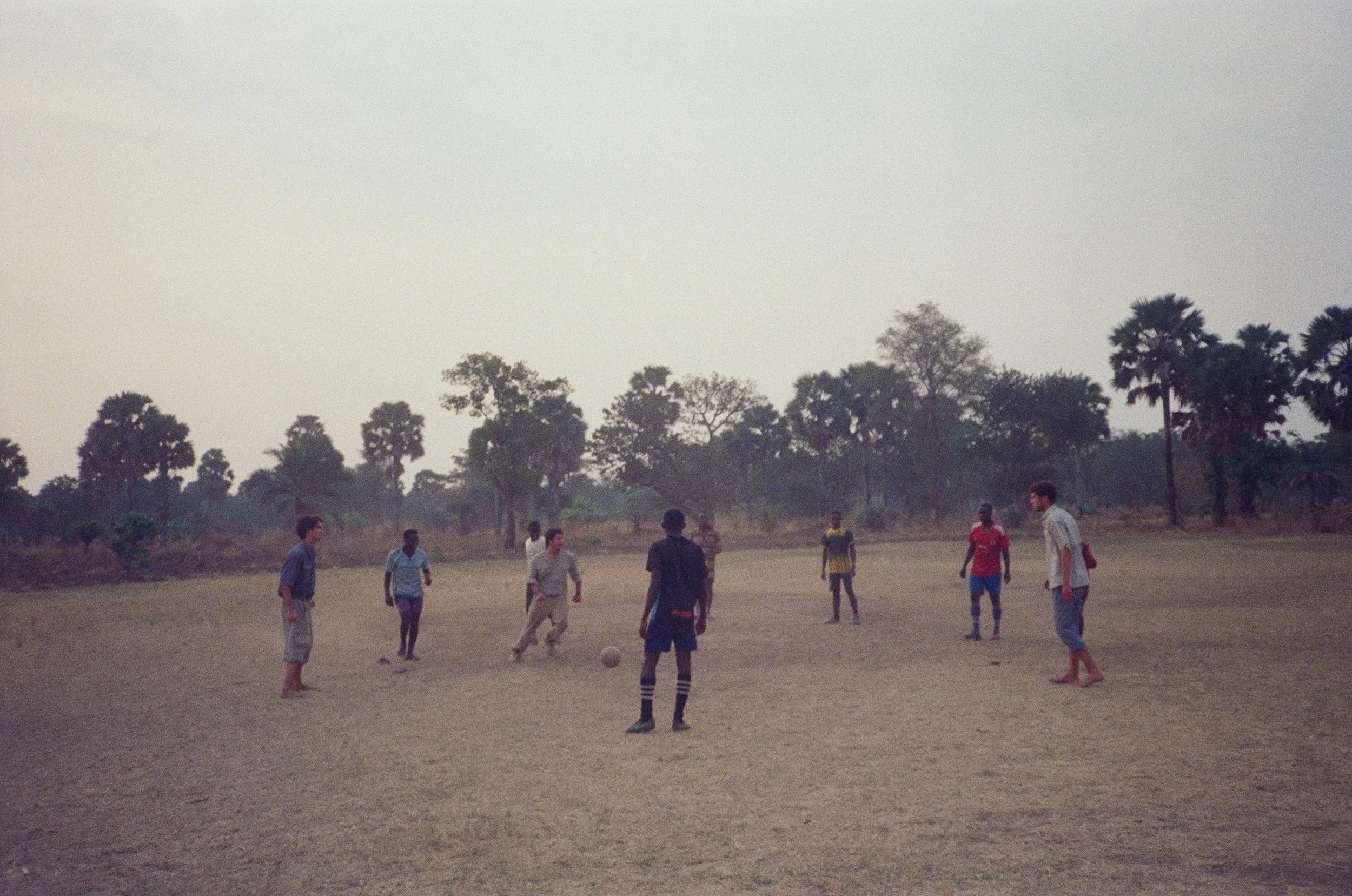
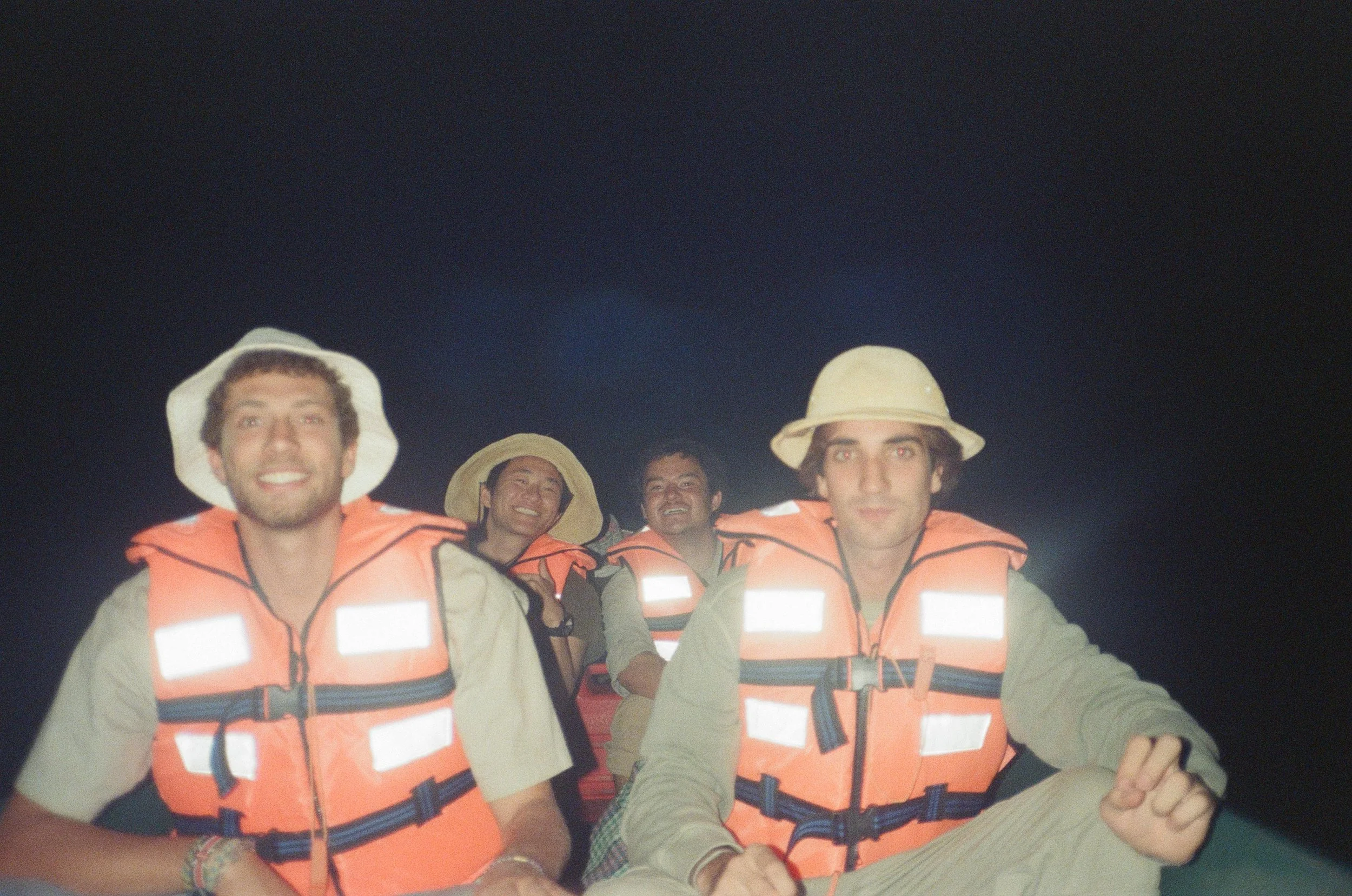
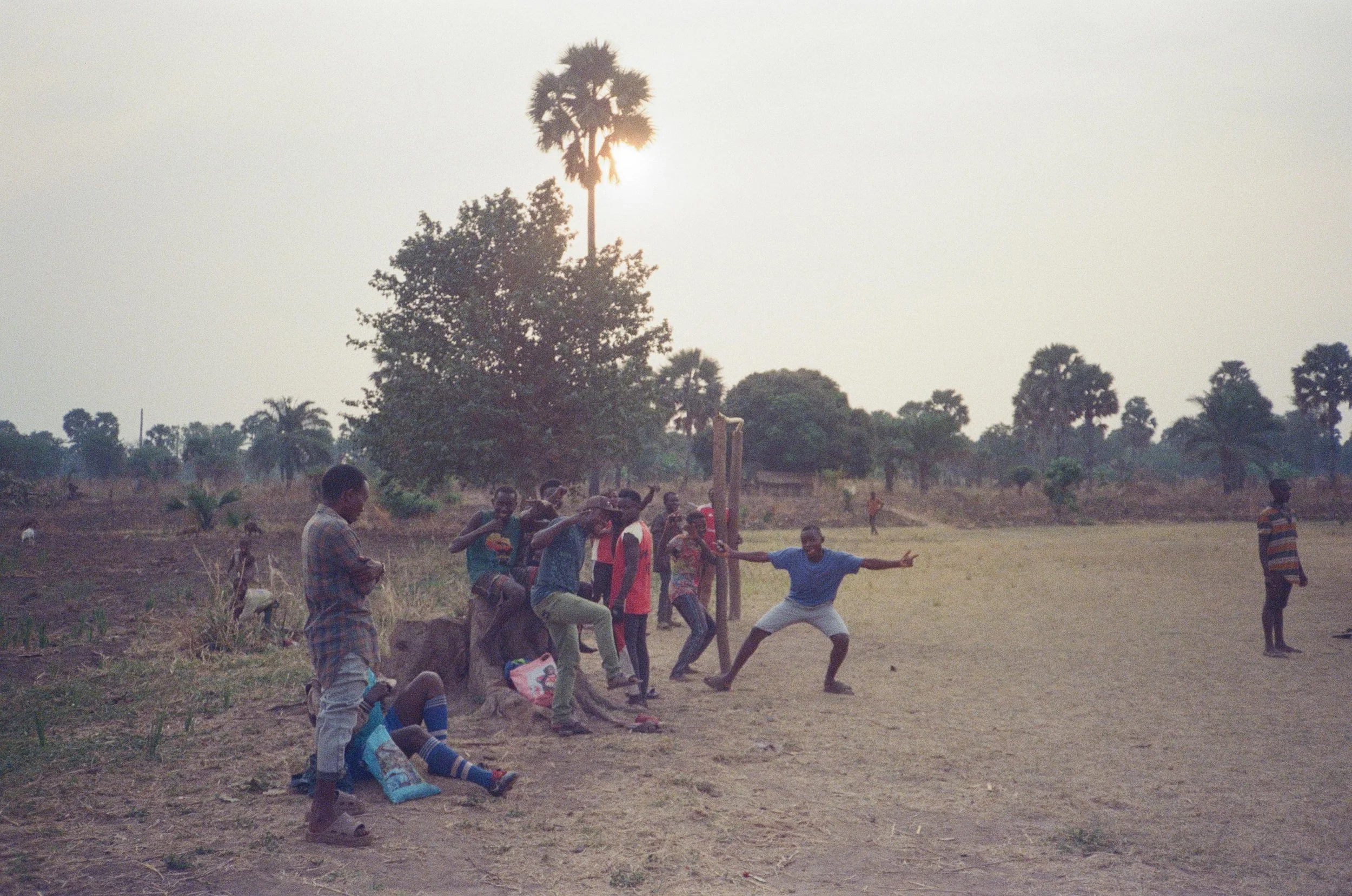
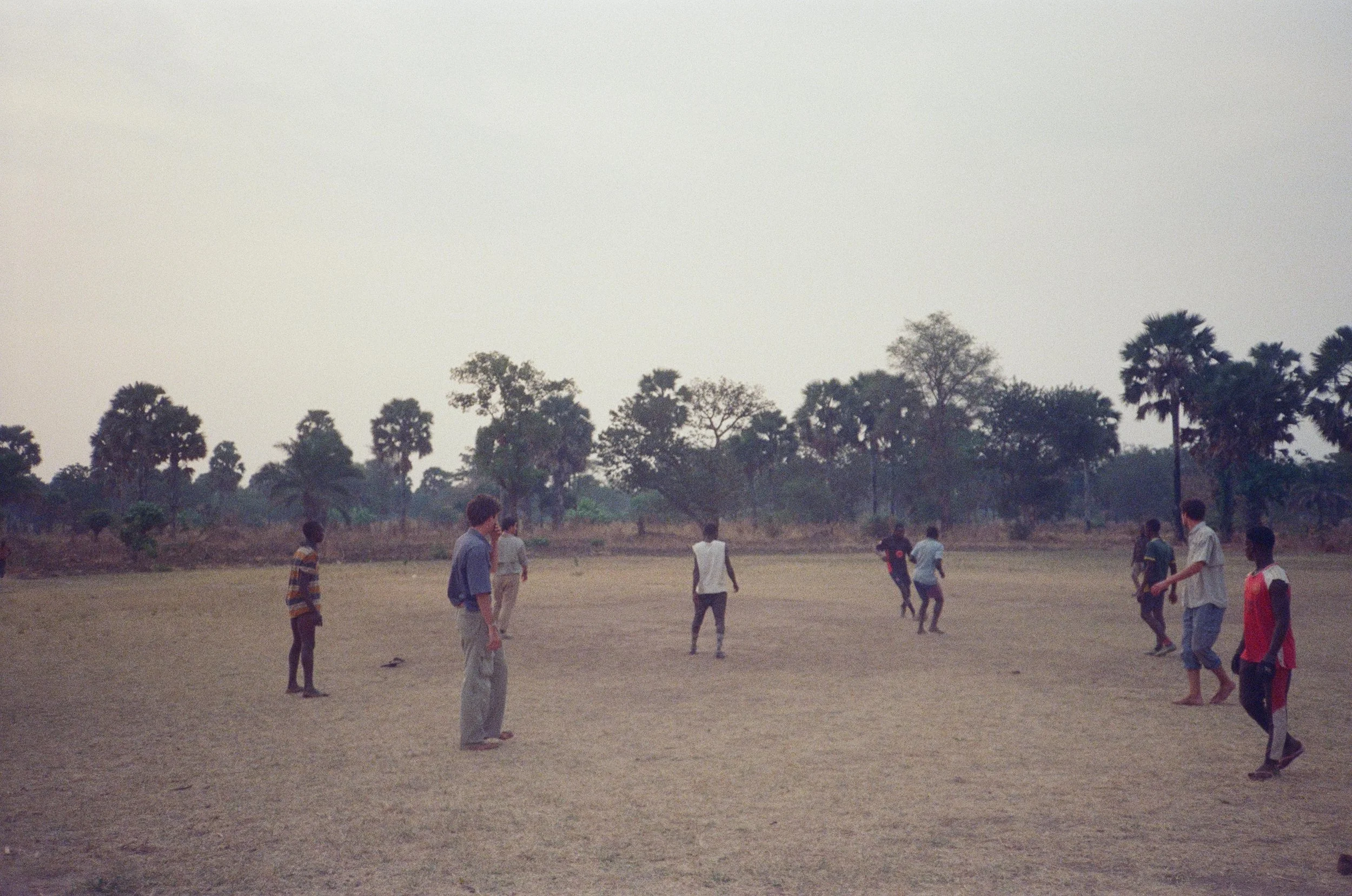
Putting our faith in the man that brought us the most legendary game drive of all time, we drove two full days to get to Mahale. Our first night found us in Tabora at a repurposed colonial palace intended to house the German Kaiser in the early 20th century, but he never made it due to obligations involving World War I. On the second day of our travel to Mahale we got our third flat tire. It was at sunset and we were still a few hours outside of the park. Fortunately we had stopped next to a local soccer field and were able to play soccer with some villagers while Godlove Goodluck changed the tire with the assistance of some curious children. Soon after we were on the move again with the sun dipping below the horizon. On uncharted roads just after sunset we asked a local to tell us how close we were to the park. He responded “bado kidogo, ongeza mwendo.” The direct translation to this statement is “still a little, increase speed,” but the understood meaning among Tanzanians is “you’ve got a ways to go, you better speed up.” An hour or two later it was fully dark out and we drove through the Mahale airstrip and entered the park by car. From the park entrance we had to drive along the shores of Lake Tanganyika to get to the park headquarters. The beach turned out to be treacherous as our three and a half ton safari Land Cruiser entrenched itself in the sand. Despite our best efforts we could not push the car out of the sand. Abandoning the car, we walked the rest of the way to the headquarters where we ate free food with the staff and learned that we had to take a boat to get to the rest of the park. It turns out that you really had to take the boat to get to the chimps.
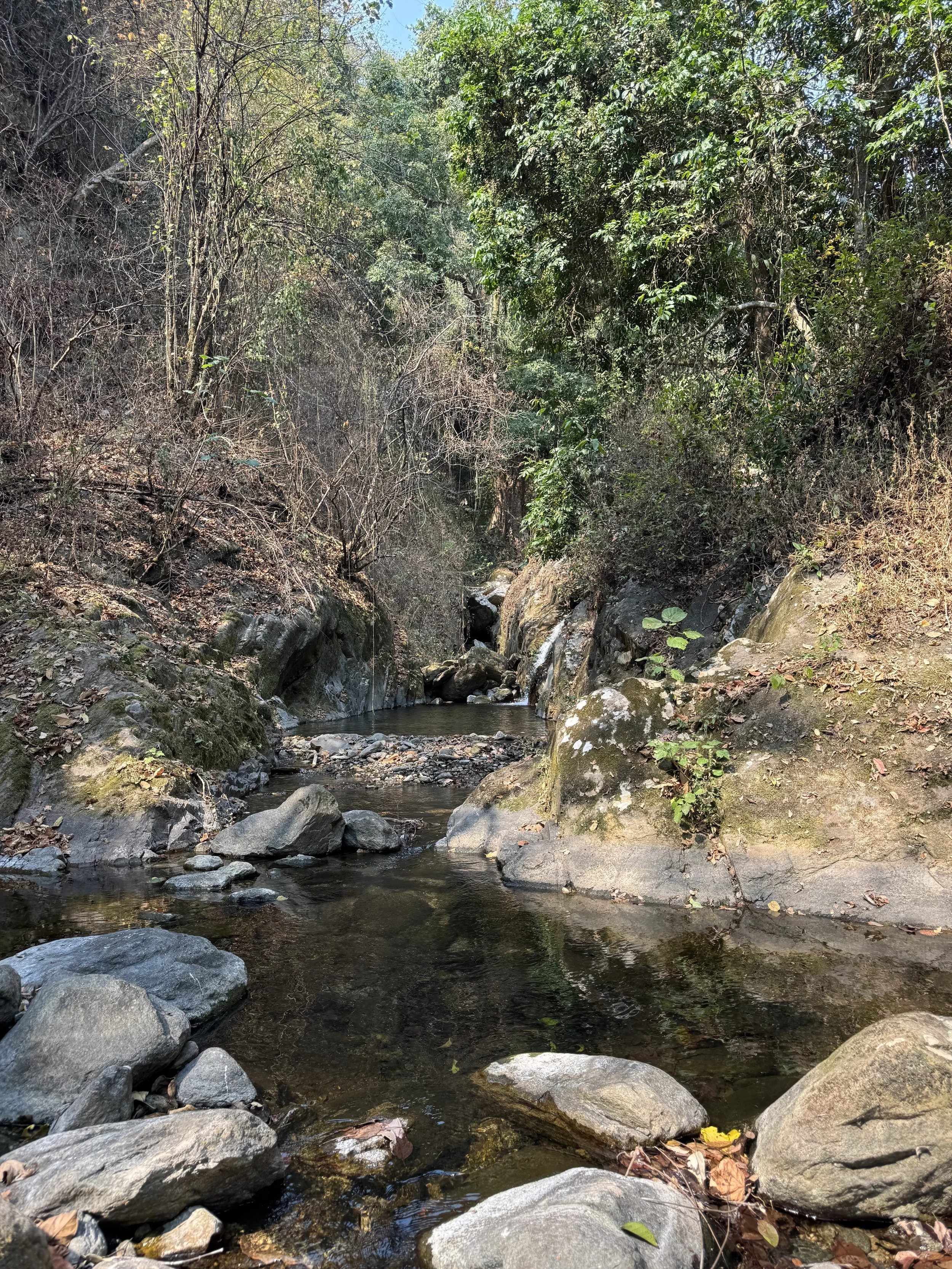
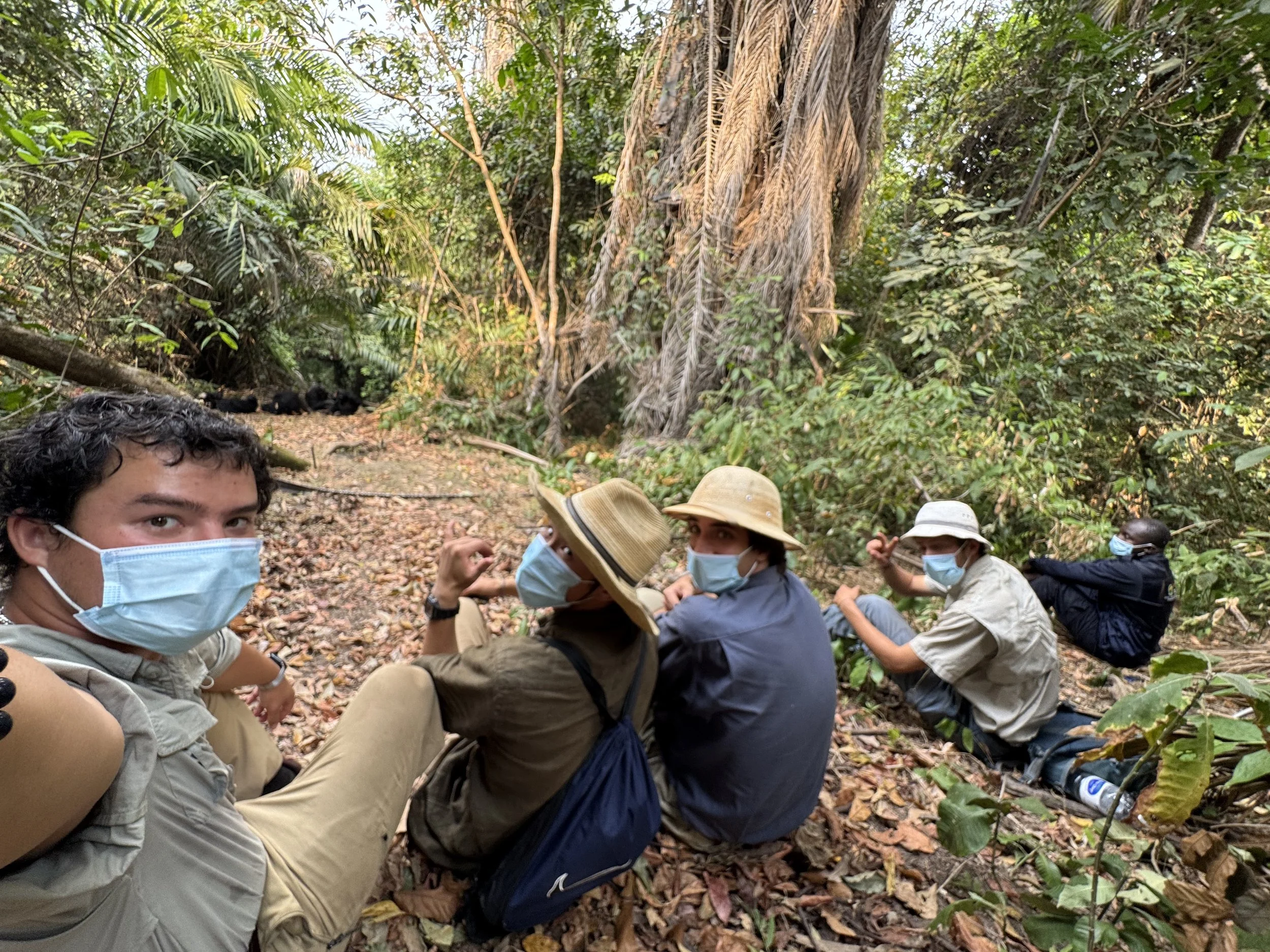
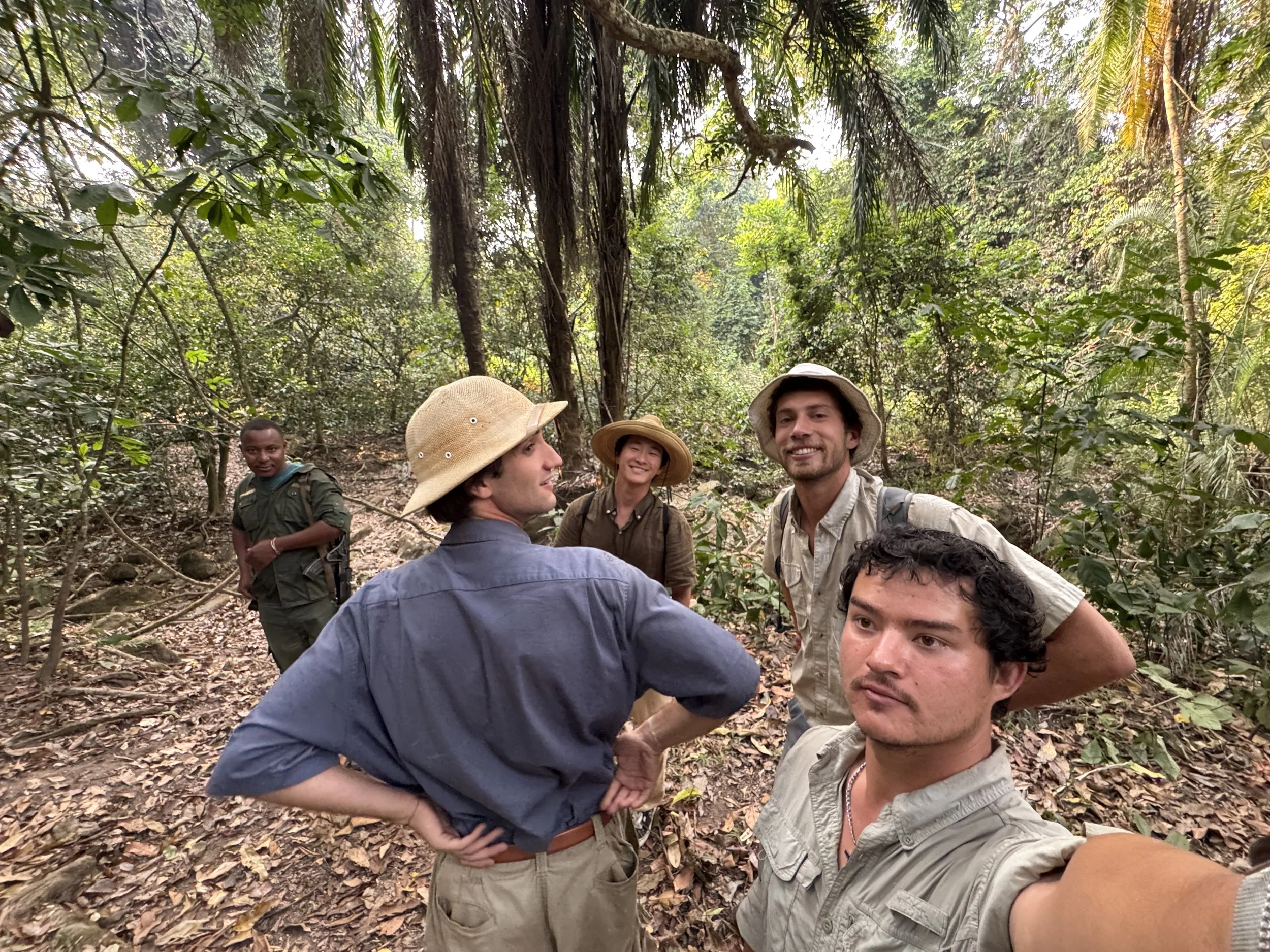
The trip still had a ways to go as we did chimp tracking and swam in waterfalls and did some cliff jumping and drove on one of the “least developed roads in the world” but I’ll spare you the details so as not to bore the reader. I made it back to my site and life is still continuing.
These blogs are often focused around some sort of central theme or perspective that I try to process. Because of this, the blog can take much longer to finish and for me to publish it. Growth isn’t linear. Because I want my blog to be more than just things that I’m doing and things that happen around me, I haven’t been able to keep up with my monthly schedule that I was aiming for.
“Vanity and pride are different things, though the words are often used synonymously. A person may be proud without being vain. Pride relates more to our opinion of ourselves, vanity to what we would have others think of us.”
I’ve found that the focus of much of my energy recently has been on my own pride. It started with teaching myself Chinese last year and the challenges that go with learning a new language. Yes, I’ve learned a lot of Swahili, but the Chinese is different. It’s so much more humbling. In learning any new skill you have to learn to be okay with being a fool, and that was harder than I expected. I hadn’t realized that when I was learning Swahili I was hearing immediate positive feedback from people that were shocked and impressed that I could speak Swahili at all. It’s hard for it to not have an effect on your ego. Surprise: I’m Chinese. Chinese is one of the most spoken languages in the world. No one should be impressed with the little Chinese that I know. And yet it was disheartening to not have that positive feedback. I hadn’t realized I was relying so much on the words of other’s to build me up, to drive me. Looking back, it feels so foolish to have let that happen. If you let words build you up, they can tear you down just as easily. Not only can they tear you down but they can make you reliant on them. Compliments will tell you more about the person giving the compliment than they should tell you about yourself. I know this is nothing original. This blog is full of cliches, I’m aware. I guess what I’m trying to say, my dear reader, is that even someone as well educated and well adjusted and humble as me is susceptible to something as simple as “sticks and stones may break my bones, but words will never hurt me.”
“I went into television because I hated it so, and I thought there’s some way of using this fabulous instrument to nurture those who would watch and listen.”
How do you cope, how do you feel like you matter, how do you find purpose? Maybe this is hubris. Maybe I was never meant to be better or more talented than others at something. Maybe it was prideful of me to ever have aspired for higher meaning. Reevaluate your reasons for doing what you’re doing. I’m not advocating against ambition, but if the only thing driving you is simply to be the best at it, then you will never truly succeed or be satisfied. I find myself trying to balance a need to win with an accepting loss or being a loser. I’m still figuring out how I can leverage my competitiveness to drive me without feeling defeated when I am eventually not the best at whatever I’m doing. It’s humbling to admit this about myself.
“I’m afraid he’ll discover he’s the only one working the fields so I call out other names. If he hears that there are other oxen around to work the fields, he’ll work harder and won’t feel so depressed.”
How can you cope in a world that’s better than you at everything? The answer, I’m finding, is you need to make the world yours. It may seem simple, but it’s still easy to forget this. You will most likely never be the best in any of your endeavors, but the endeavors are still meaningful because they’re yours. You may try and succeed or fail in ways that are unique to you, and you may succeed or fail in ways that many others have. Either way, the success or failure will be yours. You may disagree, but to me there is a certain beauty in choosing to live life this way.
“Stupid men are the only men worth knowing at all. ”
Naturally, the answer to my questions lay in a children’s book. In The Little Prince by Antoine de Saint-Exupéry, the prince develops a relationship with a rose. On his home asteroid, a rose begins to grow. As he nurtures her, he believes her to be the most beautiful flower in all the universe. He cares for her, he waters her, he protects her, he listens to her, he loves her. After he departs on his travels, he eventually arrives on Earth and finds a garden of thousands of roses, just like his own. Devastated, he learns that his rose is not unique. He then learns from the fox, “it is the time you have spent for your rose that makes your rose so important.” My call to you, the humble reader, is to love your rose. Find your rose and nurture it, not because it is inherently special, but because it’s yours.
“Comparison is the thief of joy.”
You may have heard that my grandfather passed away recently. Unfortunately, I won’t be able to make it home for the funeral and will continue on with my service here in Tanzania. However, I want to take this space to publish what would have been the short speech I read if I were able to be there for the funeral:
My Yeh-Yeh was a modern renaissance man. He wore many hats—here are just a few in no particular order: father, husband, fisherman, uncle, handyman, gardener, scientist, chef… grandfather… maybe most frequently, Orioles.
I remember when I was in high school I had an assignment where I was supposed to interview an old person. I started with my Ngin-Ngin but she turned me away so I could do someone that qualified as old. I think it’s a testament to the man that was my Yeh-Yeh, that no one who knew him is surprised to hear that his answer to his proudest accomplishment was having kids. Or that what made him happiest is spending time with family.
About 10 or 15 years ago I was fishing in Ocean City with Yeh-Yeh and my cousin Nick. Out of nowhere a van pulled up behind us, exactly the kind of van they tell you to watch out for. The door swings open and they yell out “do you guys want some candy?” Nick and I looked at each other, aware that you are not supposed to interact with strangers in vans. Yeh-Yeh says, “go get the free stuff!” And so Nick and I went and got some free candy out of a sketchy van. They were just doing some sort of advertising campaign.
I’ve always told this story just as a funny thing that happened. But I think there’s a lot here if you choose to look, and I’d like to try and contextualize who my Yeh-Yeh was to me.
Yeh-Yeh was a child of the Great Depression. It is safe to say that his childhood was a life of hardship and adversity. But that is not the story that you would hear him tell. What you might hear about is the single sausage that he and his siblings would get to split for dinner. My Yeh-Yeh never let anything go to waste.
His house today is one of the most organized places I’ve ever been; each thing fulfilling a potential purpose. If I had a penny for every time I brought him something to fix, and he had been saving some obscure piece of something for 20+ years and was able to fix it: well, I’d probably still be an unpaid volunteer, but you get the idea.
This is all to say that of the many lessons you might learn from Yeh-Yeh’s life, one of them is to make the most with what you’re given. Some of the best things in life are free. And… you should always take free stuff.
This may not be the best blog, or the only blog, but this is my blog and I hope you’ve enjoyed reading it. If you’ve made it this far I hope you have a wonderful day. If you’ve made didn’t make it this far: what are you doing? This is a blog post, why are you skipping to the end? Anyways, I’m sorry it has taken so long for me to publish this blog and I promise I will try my best to write more frequently going forward. They say if you love something you should let it go, and if it comes back then it’s yours. Well, my dear reader, I have let you go, and here you are right back with me. So you’re mine, haha.
Love,
Ryan
This blog post is dedicated to my grandfather, my Yeh-Yeh, Noble Powell Wong.
I would also like to thank all of those who donated to the school computer lab project. You know who you are, and it would not be possible without your contribution whether large or small. I will put before and after pictures in the next blog and I’m working with the students on writing thank you notes to all our donors.